Latest: Supreme Court Hears Catholic Preschool Case in Colorado Religious Freedom Fight
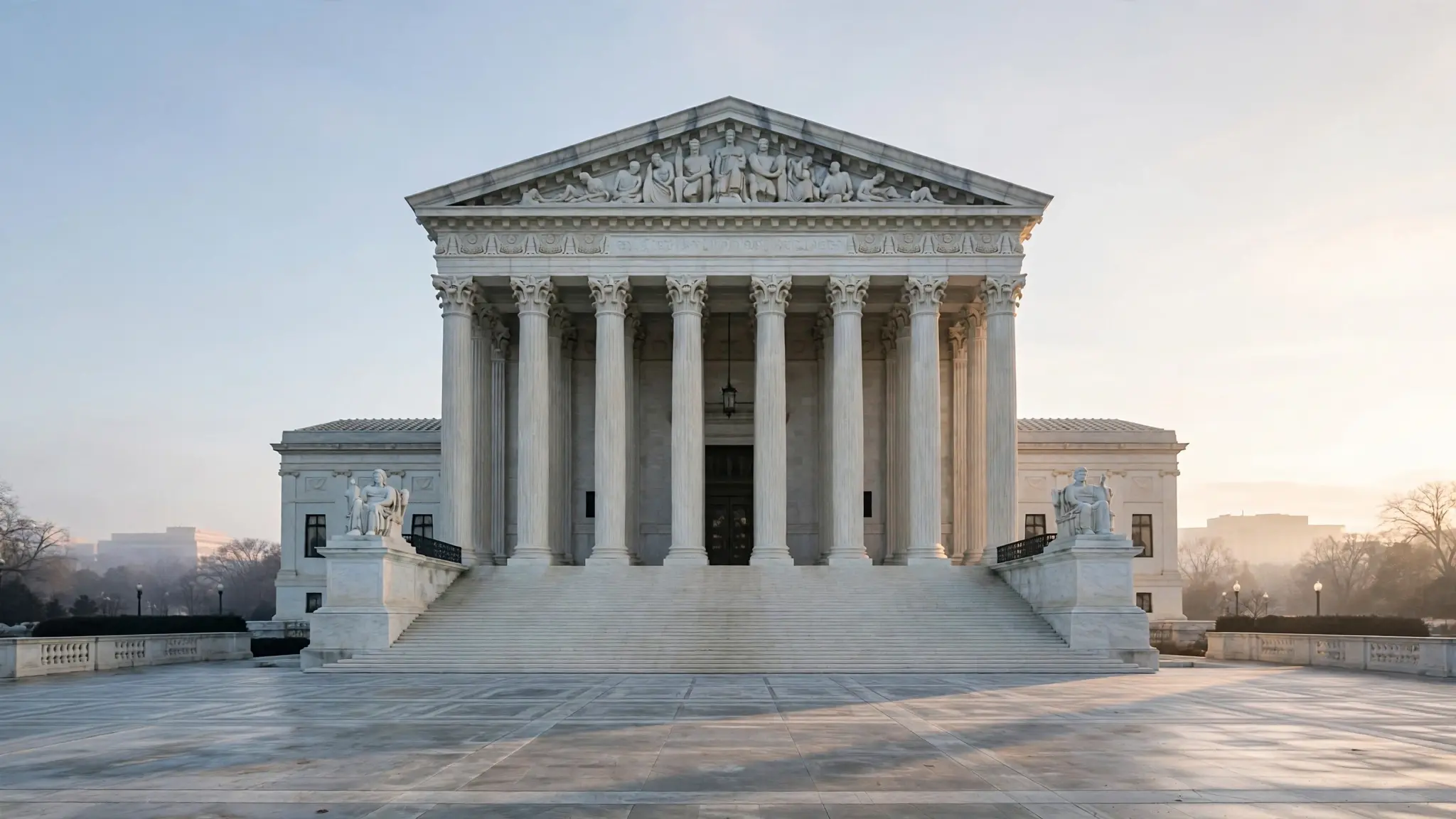
The families of St. Mary Catholic Parish preschool in Littleton, Colorado, teach their children that faith shapes every part of life, including the classroom. Their case, St. Mary Catholic Parish v. Roy, has now reached the United States Supreme Court, in a fight over whether a Catholic preschool can take part in a state-funded programme without signing an agreement it says conflicts with church teaching.
Coverage dated 28 October 2026 reported that oral arguments had been heard this week, in the ABA Journal and The 74.
The case matters far beyond one preschool. It asks how far back a 36-year-old precedent reaches, and whether a state that funds preschool places for all kinds of schools can set conditions that a religious school says it cannot in conscience accept.
Colorado Universal Preschool Programme: Funding, Non-Discrimination Agreement and Catholic Objection
Colorado's universal preschool programme, launched in 2023, pays for preschool at public, secular private or religious schools, the ABA Journal reports. To receive funds, a school must agree not to discriminate against children based on their parents' race, ethnicity, religion, sexual orientation, gender identity, disability, income or lack of housing.
St. Mary Catholic Parish in Littleton, and another Catholic preschool in the Archdiocese of Denver, declined to sign. They said the agreement conflicts with church teachings on marriage, sex and gender, according to the ABA Journal.
The federal district court and the Denver-based 10th U.S. Circuit Court of Appeals rejected the challenge and upheld the Colorado law, relying on Employment Division v. Smith, decided in 1990. The Supreme Court has now granted review, and the questions it chose to hear will shape the arguement on both sides.
Supreme Court Free Exercise Case: Two Questions, Smith Precedent and Carson v. Makin
The Court granted review on two questions, as the ABA Journal reports them. The first is whether proving lack of general applicability under Smith requires showing unfettered discretion or categorical exemptions.
The second is whether Carson v. Makin, decided in 2022, displaces Smith only when the government explicitly excludes religious institutions. Both questions are narrow, and both are technical, but the answers could shift how religious-freedom claims are judged.
Notably, the Court did not grant review on whether to overrule Smith outright, a limit noted in the ABA Journal's coverage of the case. The case could therefore revisit a precedent that has governed religious-freedom claims for 36 years without directly asking whether it should be struck down.
The state's position, as upheld below, is that the law provides funds to faith-based preschools on the same terms as all other preschools. The parishes argue they are denied a public benefit because of their religious beliefs, and this article reports both positions without taking a side between them.
The ABA Journal also published a column by Erwin Chemerinsky, constitutional law scholar and dean of the UC Berkeley School of Law, examining the case. His column is legal analysis and opinion, and readers should treat it as analysis, not as a report of what the Court decided.
The earlier stages of this case are covered in Latest: St. Mary v. Roy — Supreme Court to Decide if Colorado Can Block Catholic Preschools (2026), and the wider court fight over preaching and belief in Britain is reported in UK Church Fights in Court Today for Right to Preach Jesus on British Streets.
The Colchester street-preaching case is set out in UK Church Street Preaching Ban: Bread of Life Fights Colchester Council Order, and a separate ruling protecting worship spaces is covered in Latest: Churches Win Appeal Over Immigration Raids at Houses of Worship.
What the Supreme Court Decision Could Mean for Religious Preschools
A decision will not only settle the fate of two Colorado preschools. It will signal how states may design funded programmes, and how religious schools may answer when a funding condition touches a teaching they hold.
Will the justices answer the two narrow questions without disturbing the 1990 precedent, or will their reasoning open a wider door that neither side in Littleton quite expected, and what will that mean for the next preschool asked to sign?
Frequently Asked Questions
The case concerns Colorado's universal preschool programme and whether two Catholic preschools that declined to sign a non-discrimination agreement, saying it conflicts with church teachings, can still receive state preschool funds.
Launched in 2023, the programme pays for preschool at public, secular private or religious schools, according to the ABA Journal. Schools receiving funds must agree not to discriminate against children based on listed characteristics of their parents.
St. Mary Catholic Parish in Littleton and another Catholic preschool in the Archdiocese of Denver said the agreement conflicts with church teachings on marriage, sex and gender, according to the ABA Journal.
The federal district court and the Denver-based 10th U.S. Circuit Court of Appeals rejected the challenge and upheld the Colorado law, relying on Employment Division v. Smith from 1990.
Whether proving lack of general applicability under Smith requires showing unfettered discretion or categorical exemptions, and whether Carson v. Makin from 2022 displaces Smith only when the government explicitly excludes religious institutions.
🔔 Don't Miss the Next Story!
Get breaking Christian news on your phone before everyone else — allow notifications when prompted, or join our newsletter below!
But the most surprising part of this story is yet to come — keep reading.
🙏 Have a Testimony to Share?
Has God done something amazing in your life? Or want us to cover a specific story? Send your testimony or story request via WhatsApp — your story could encourage thousands!
💬 Comments
Share your thoughts below. Be kind and respectful. If this story touched you, let us know in the comments!