Six Young Christians in Egypt Released After TikTok Video Detention
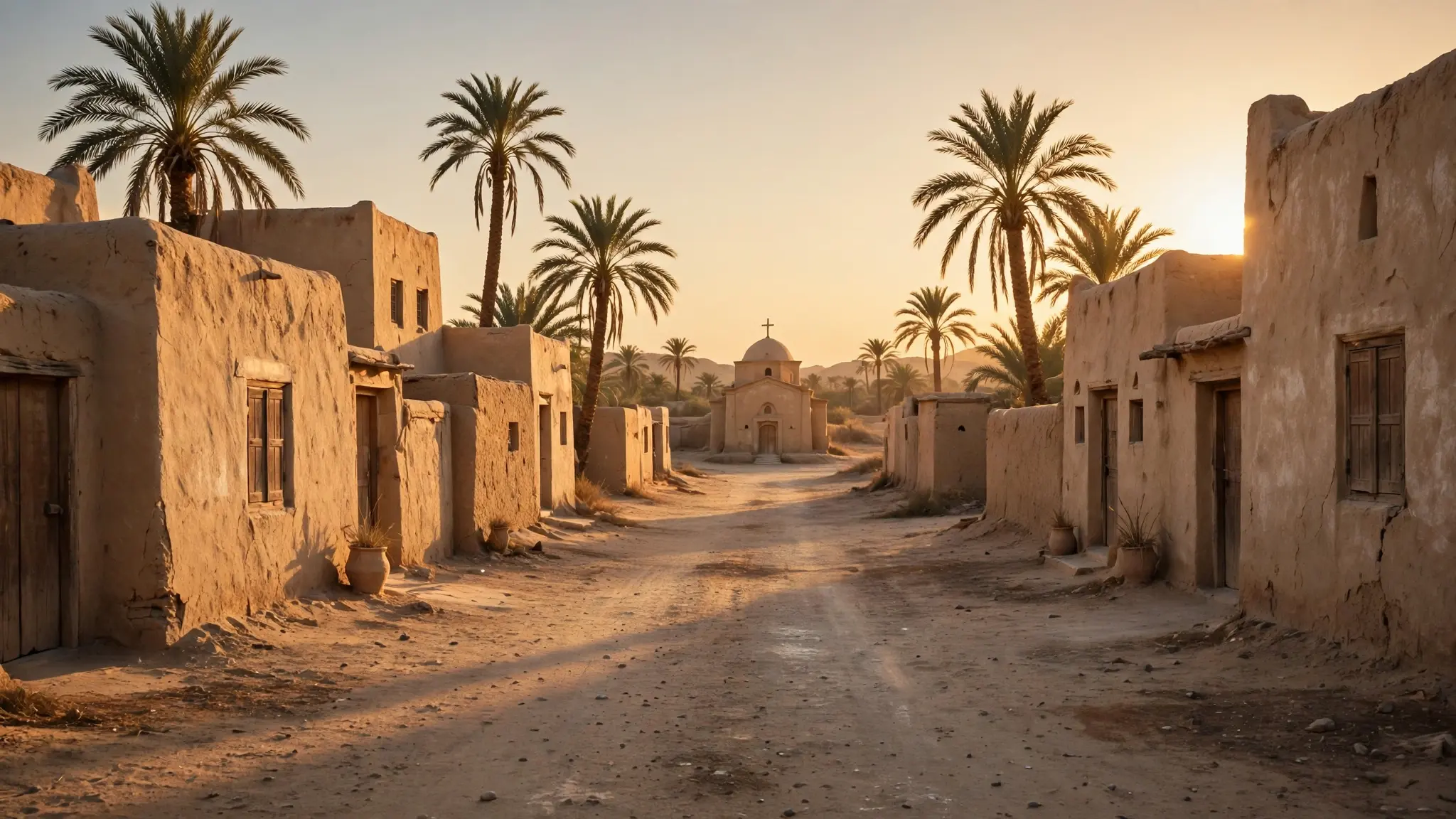
Six teenagers and young men were handed to the police by their own families, in the hope that doing so would calm their village down. Instead, they spent weeks in detention over a short video, and they only went home when prosecutors quietly let them go, with the case still hanging over them.
This is the release update to a story FaithStories reported earlier, and the difference matters. The arrests were reported in the report of six Christians arrested in Egypt over a TikTok video, and what is new here is not another arrest, but the release that followed. The Egyptian Initiative for Personal Rights, known as EIPR, announced on Monday 26 October 2026 that release procedures had been completed for the six young Christian men, including a child, from Ezbet Tanios, Taha al-Aamida village, in Samalut district, Minya Governorate.
The release followed a decision on 19 October by the Supreme State Security Prosecution to release them on a guarantee of residence, pending Case No. 8430 of 2026, a State Security case. That wording matters, because the six remain subject to the pending case: this release is not an acquittal and it is not a dropping of the charges.
The six are aged 17 to 23, which means the youngest among them was still a child when the video was posted. They had been detained over a TikTok video posted on 4 October that re-enacted a scene from the 2018 Egyptian comedy film called Khalawees, also spelled Khalawis, in which prisoners try to pray without knowing the required Quranic verses. Prosecutors charged them with exploiting religion to promote extremist ideas and with insulting a religion, according to the reporting, and this article describes the video only in those neutral terms.
They deleted the video within hours, after friends warned them about it, but by then it had already travelled beyond their control. A village resident reposted it with condemning comments, and hostile comments followed, including calls for violence against the young men and their families.
Egypt TikTok Video Detention: Families Handed Five Young Men to Police
On 6 October, their families and church representatives handed five of the young men over to Samalut police station, hoping to calm tensions and expecting them home once the situation had settled. It was a painful choice, made in the belief that cooperation would bring a quick end to the trouble.
One young man told prosecutors a harder version of the same story. He said he had gone into hiding, but he turned himself in after police arrested his mother in his place, according to EIPR as reported through Coptic Solidarity. That account is recorded here as his account to prosecutors, and it shows the pressure that reached beyond the six themselves, into their homes and their families.
A customary reconciliation session was held, attended by MP Ibrahim El-Masry and clerics from Al-Azhar, the Ministry of Religious Endowments, and the Samalut Diocese. The diocese offered a formal apology to the village's Muslim residents, but prosecutors ordered detention regardless.
ADF International had urged the young men's immediate release, and Kelsey Zorzi of ADF International said:
These young men did nothing but share a lighthearted video with a voiceover from a popular and uncontroversial film, as many others on the platform have done.
Six Christians Released in Egypt: What the Release Does and Does Not Mean
The release on 26 October brings relief, but it is a limited kind of relief, and it should not be overstated. The six are no longer in detention, and their families have them home, but they were released on a guarantee of residence, pending the case, which means they remain subject to proceedings, and the charges have not been dropped as far as the reporting shows.
The new facts are the 19 October release decision and the completion of release procedures on 26 October.
The wider pattern of Christians detained over faith-related accusations is visible in other recent reporting. Readers can see a parallel release in the thirteen Christians freed in Rajasthan after four months in prison over a worship event, though the facts and the country are different, and the comparison should not be pushed further than that. The human cost of long detention is also set out in the attack on a church in Ekiti, Nigeria, where families waited for news of loved ones, and the wider findings are in the persecution report that found conditions worsened in 55 percent of countries assessed and improved in none.
For the six young men, the pending case will shape how freely they can live, work, and post online in the months ahead, and a guarantee of residence keeps the case present in daily life.
Egypt Christians TikTok Case: What to Watch Next in Minya
What happens next depends on the pending case. The prosecution's next step, and any court date, will decide whether the release holds as a step toward closure or becomes only a pause before more proceedings.
The village, too, will have to live with what happened, and the reconciliation session and the diocese's apology are part of that longer story, not the end of it.
Six young men are home in Minya, and that is worth saying plainly, without dressing it up as more than it is. The question that remains is a simple one, and it will not be answered by celebration alone: will the pending case end with the charges dropped, or will the six face a trial over a comedy clip they deleted within hours, and how long will their families have to wait to find out?
Frequently Asked Questions
Six young Christian men, aged 17 to 23, including a child, from Ezbet Tanios, Taha al-Aamida village, Samalut district, Minya Governorate, after detention over a TikTok video.
No. They were released on a guarantee of residence pending Case No. 8430 of 2026, following a 19 October decision, and they remain subject to the pending case; the release is not an acquittal and the charges have not been dropped as far as the reporting shows.
The video, posted on 4 October, re-enacted a scene from the 2018 Egyptian comedy film Khalawees, also spelled Khalawis, in which prisoners try to pray without knowing the required Quranic verses; prosecutors charged the six with exploiting religion to promote extremist ideas and insulting a religion.
They deleted the video within hours after friends warned them, but a resident reposted it with condemning comments; on 6 October families and church representatives handed five of them to Samalut police station to calm tensions, and prosecutors ordered detention regardless of a reconciliation session and apology.
Kelsey Zorzi of ADF International urged immediate release, saying the young men had done nothing but share a lighthearted video with a voiceover from a popular and uncontroversial film, as many others on the platform have done.
🔔 Don't Miss the Next Story!
Get breaking Christian news on your phone before everyone else — allow notifications when prompted, or join our newsletter below!
But the most surprising part of this story is yet to come — keep reading.
🙏 Have a Testimony to Share?
Has God done something amazing in your life? Or want us to cover a specific story? Send your testimony or story request via WhatsApp — your story could encourage thousands!
💬 Comments
Share your thoughts below. Be kind and respectful. If this story touched you, let us know in the comments!