Latest: Churches Win Appeal Over Immigration Raids at Houses of Worship
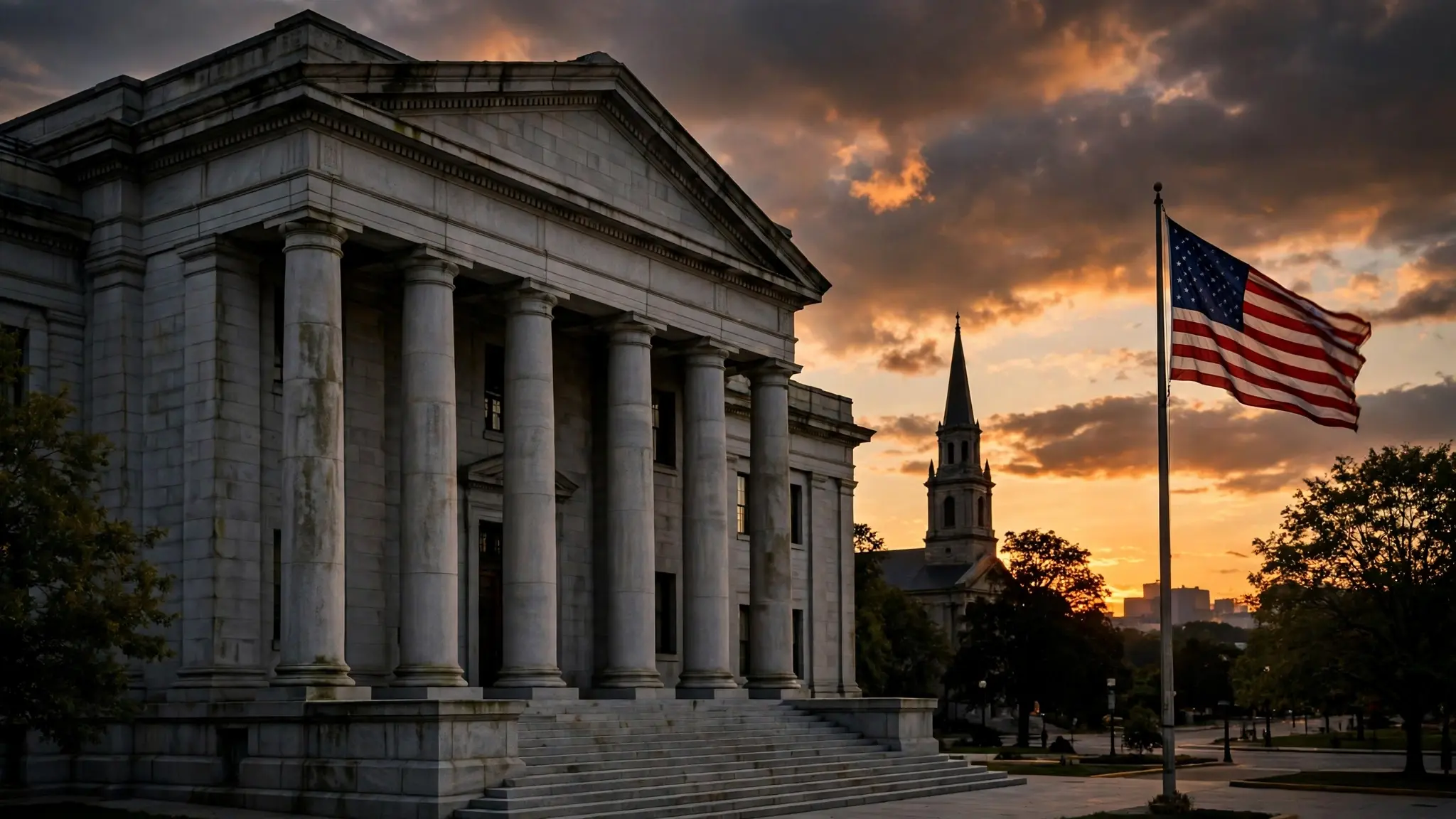
On a Tuesday afternoon in Washington, a three-judge panel did something no court had done for these 27 churches and synagogues in more than a year: it believed them. By a 2-1 vote, the U.S. Court of Appeals for the D.C. Circuit said the faith groups likely face "imminent harm" from immigration enforcement inside their own sanctuaries — and sent their fight for a preliminary injunction back to life.
The ruling came down October 20, 2026, reversing a district court's refusal to grant that injunction. The lawsuit itself was filed February 11, 2025, by 27 Christian and Jewish bodies — among them Mennonite Church USA, the Episcopal Church, the Union for Reform Judaism, and the African Methodist Episcopal Zion Church — and it has been grinding through the courts ever since.
At the center of the case is the Trump administration's rescission of an Obama-era policy that treated houses of worship and schools as "sensitive locations" where immigration arrests were generally off-limits. The faith groups sued under the First Amendment, the Religious Freedom Restoration Act, and the Administrative Procedure Act, arguing the new enforcement posture chills worship itself — not in theory, but every Sunday.
"Plaintiffs' members likely face imminent harm from increased enforcement at their houses of worship; that harm is traceable to the new enforcement policy; and the relief requested will likely redress their injury, at least in part." — Judge Florence Y. Pan, D.C. Circuit majority opinion, via Christian Post
D.C. Circuit Churches Immigration Ruling October 2026: What the Judges Decided
Judge Florence Y. Pan, writing for the majority, found that the religious groups likely have standing to bring their claims challenging the current policy. Her opinion leaned on what she called "direct evidence that the government intends to increase immigration enforcement at sensitive locations" — including, specifically, the plaintiffs' own congregations.
The government had argued, in effect, that the groups' fears were speculative. Pan rejected that framing outright. As she put it, the government has done the opposite of "disavowing any intention of" taking enforcement action at or near the plaintiffs' members' houses of worship. In plain terms: the threat is not hypothetical; it is the policy, and it is pointed at their doors.
The ruling recieved a warm welcome from religious-liberty advocates, who had watched the case stall at the district court level. The McLean Bible Church lawsuit showed how church legal battles can grind for years through procedural dismissals — but here the appeals court sent the case back with real momentum, ordering the lower court to take the injunction request seriously a second time.
ICE Raids at Houses of Worship: The Religious Freedom Argument
The plaintiffs' core claim is disarmingly simple: a sanctuary cannot be a sanctuary if congregants fear a raid mid-hymn. Pastors in the case have said attendance dipped and immigrant families stopped coming after the policy change — the kind of chilling effect the First Amendment and the Religious Freedom Restoration Act were written to prevent.
The fight fits a wider pattern of churches defending their independence in court on both sides of the Atlantic. A UK church is fighting a street preaching ban backed by 27,000 petition signatures, and an Illinois judge shielded Christian doctors from the state's assisted suicide law — different countries, different laws, the same conviction that faith cannot be fenced off by the state.
Critics of the lawsuit say immigration law must be enforced everywhere and that carve-outs for houses of worship invite abuse. The administration has not signaled whether it will appeal the 2-1 decision or ask for a stay while the district court reconsiders. Both options keep the congregations in limbo a while longer.
What Happens Next for Churches and Immigration Enforcement
For now, nothing changes on the ground — the appeals court did not issue the injunction itself. The case returns to the district court, which must now decide, with the appellate court's standing analysis as guidance, whether to block enforcement at houses of worship while the merits are fully litigated.
That next hearing will be watched far beyond Washington. Similar suits have been filed by other faith coalitions, and whatever the district court decides will shape whether churches across the country can worship without watching the door. Courts have sided with religious liberty before — as when a school district paid $275,000 after telling students to seal their Bibles in envelopes — but this case tests the doctrine at its most sensitive point: the sanctuary door.
The district judge now holds the pen, and 27 congregations are waiting to learn whether the sanctuary remains a sanctuary in the eyes of the law. The answer, when it comes, could redraw the line between enforcement and worship for years — and both sides, seperate from the cameras, are already preparing for the next round.
Frequently Asked Questions
In a 2-1 decision, the court revived the bid by 27 churches and synagogues for a preliminary injunction against immigration enforcement at houses of worship, finding the groups likely have standing and likely face imminent harm. It reversed the district court's refusal to grant the injunction.
Twenty-seven Christian and Jewish bodies filed suit on February 11, 2025, including Mennonite Church USA, the Episcopal Church, the Union for Reform Judaism, and the African Methodist Episcopal Zion Church.
The Trump administration's rescission of the Obama-era "sensitive locations" policy that limited immigration arrests at houses of worship and schools. The groups sued under the First Amendment, the Religious Freedom Restoration Act, and the Administrative Procedure Act.
No. The appeals court did not issue the injunction itself; it sent the case back to the district court to reconsider the injunction request. No final ruling on the merits has been made.
She wrote that the government had done the opposite of disavowing enforcement action at houses of worship, pointing to direct evidence that it intends to increase immigration enforcement at sensitive locations, including the plaintiffs' congregations.
🔔 Don't Miss the Next Story!
Get breaking Christian news on your phone before everyone else — allow notifications when prompted, or join our newsletter below!
But the most surprising part of this story is yet to come — keep reading.
🙏 Have a Testimony to Share?
Has God done something amazing in your life? Or want us to cover a specific story? Send your testimony or story request via WhatsApp — your story could encourage thousands!
💬 Comments
Share your thoughts below. Be kind and respectful. If this story touched you, let us know in the comments!