Texas Black Out Sunday: 2,000 Churches Mobilise Black Voters for Midterms
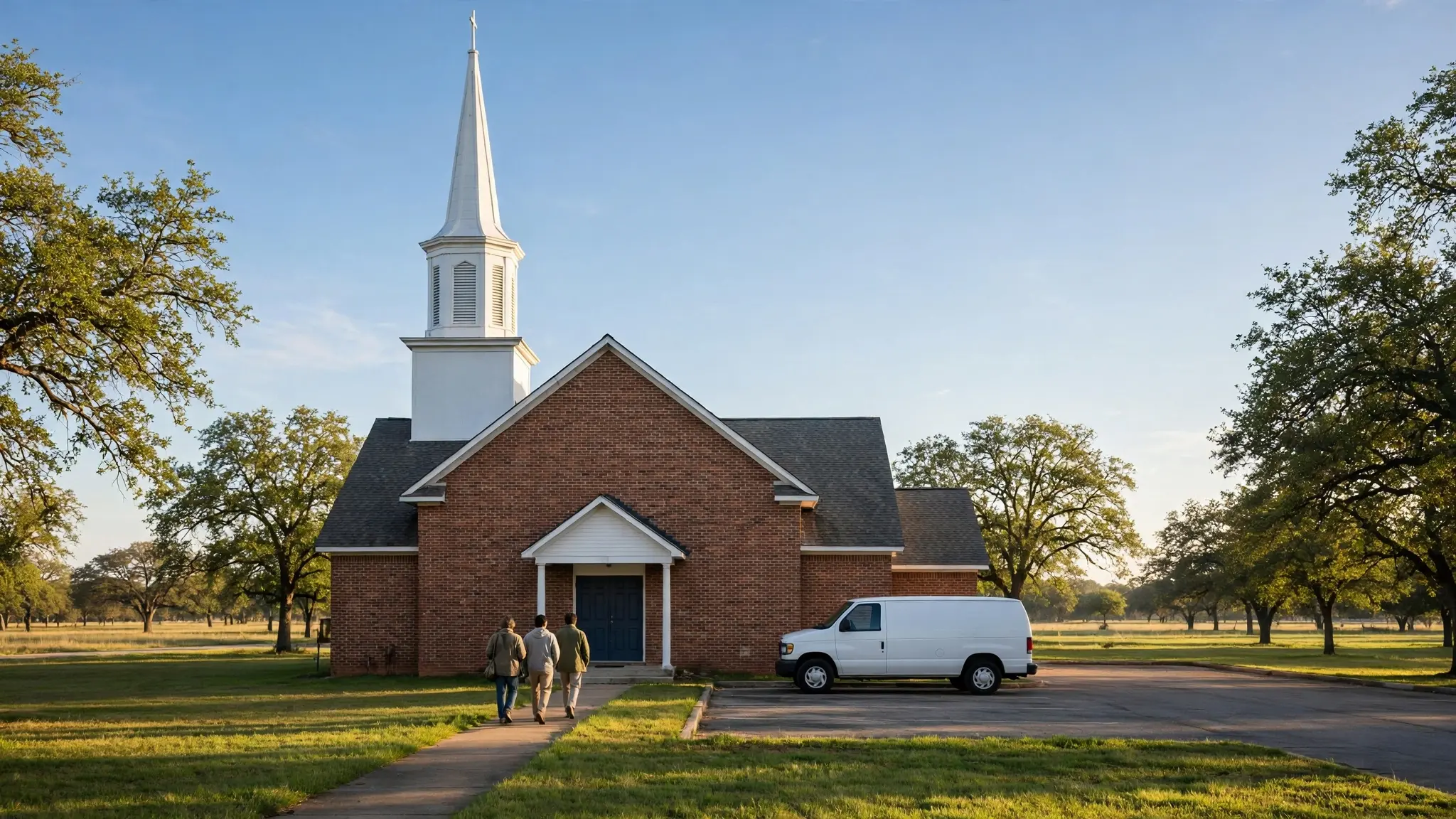
After the preaching ended, the pastor did not stay behind to shake hands at the door. Rev. Richie Butler got into the church van himself and drove members of his own congregation to go and cast their ballots, turning a Sunday service into a ride to the polls.
About 2,000 churches from various denominations across Texas took part in Black Out Sunday on Sunday 25 October 2026, according to organisers. The effort was organised by the African American Pastors Coalition, known as the AAPC, to mobilise African American voters ahead of the midterm elections on 3 November.
The coalition had first planned for about 1,000 congregations to take part. About 2,000 took part instead, Butler told the Christian Post, which reported the story on 28 October.
Butler is pastor of St. Luke Community United Methodist Church in Dallas, and president-elect of the AAPC.
Organisers asked congregations to commit to full voter participation among members who are eligible and registered to vote. The phrase used by the coalition was 100 percent voter participation, a plain target aimed at people already on the electoral roll rather than at new registration alone.
Churches should be one of the vehicles that could help drive voter engagement and participation.
Those were Butler's words, as reported by the Christian Post, and they explain the shape of the day. The church, in his framing, was not only a place to gather on a Sunday morning. It was also a practical way to get people to the polls, with transport, encouragement, and a shared trip after worship.
Butler described his own part in that plan in direct terms. He said he literally got in the church van himself and rode to the polls with members to go and cast their ballots after the service. It was, for his congregation, a short journey with a clear purpose, and it put the pastor in the driver's seat in more than one sense.
Texas Black Out Sunday: How 1,000 Churches Became 2,000
The date mattered. Sunday 25 October was the first Sunday after early in-person voting began in Texas, so a congregation that left church together could vote on the same day. The timing turned a general call to vote into an immediate, shared act.
That practical detail may help explain why the number grew. A plan built around one Sunday, one van, and one trip to a polling place is easy for a local church to copy. A pastor does not need a large budget or a long programme to repeat it, only a vehicle, a list of willing members, and time after the service.
The figure of about 2,000 churches should be read with care. A local account, the Texas Gazette, says it has not independently confirmed the number of participating pastors. The 2,000 figure is therefore recorded here as the organisers' figure, as reported by the Christian Post, rather than as an independently verified count.
That distinction does not make the day small. Even a smaller number of churches acting together on one Sunday would be a wide effort across a large state. But readers deserve to know where the number came from, and that it came from the coalition behind the event.
Redistricting Debate Behind the Texas Church Mobilisation
Butler said the coalition was inspired by the debate in 2025 over congressional redistricting in Texas. Critics argued that the new map, which favoured Republicans, unlawfully minimised the black vote. That characterisation of the map comes from critics, as reported, and this article does not adopt it in its own voice.
What Butler himself put forward was a response built on participation. If the debate had raised questions about representation, his answer, as reported, was to make sure eligible voters in his community turned out. The van ride was the visible form of that answer.
The effort was described by organisers as a mobilisation of African American voters, and the churches involved came from various denominations. The coalition's public aim was engagement and turnout, and the reporting does not present Black Out Sunday as a rally for a single candidate.
Texas has seen large church gatherings before, and readers can set this Sunday in that wider picture through the report of a Texas megachurch voting on leaving the United Methodist Church, and through the account of 882 people baptised in one day at a Texas church. A separate court case with a church at its centre is covered in the report of the Supreme Court hearing in the St. Mary Catholic Parish case on 3 November.
The separate strands of church life in Texas, worship, baptism, votes over affiliation, and now a shared trip to the polls, do not always sit neatly together. They do show how often a congregation's life reaches beyond its own walls, and how a Sunday can hold more than one kind of gathering.
What Happens Next Before the 3 November Midterms
Early voting continues, and the midterm elections follow on 3 November. Organisers will be watching whether the energy of one Sunday carries into the days that follow, when there is no van waiting outside and no congregation travelling together.
For the churches that took part, the next test is quieter than the first. It is the individual decision of each member who heard the call, and whether that person still makes the trip when the moment is less public and less shared.
Butler's ride to the polls will not, on its own, decide an election. It does raise a question that will only be answered when the votes are counted: did a plan that doubled from 1,000 churches to about 2,000 also double the number of people who actually voted, and will the pastors who drove their members once find a way to do it again?
Frequently Asked Questions
Black Out Sunday was a mobilisation on Sunday 25 October 2026, organised by the African American Pastors Coalition, in which churches encouraged voter participation among African American voters ahead of the 3 November midterm elections.
Organisers said about 2,000 churches took part, double the planned figure of about 1,000, as reported by the Christian Post. The Texas Gazette said it had not independently confirmed the number of participating pastors.
Rev. Richie Butler is pastor of St. Luke Community United Methodist Church in Dallas and president-elect of the African American Pastors Coalition.
It was the first Sunday after early in-person voting began in Texas, so congregations could travel from church to the polls on the same day.
Organisers asked congregations to commit to 100 percent voter participation among members who are eligible and registered to vote.
🔔 Don't Miss the Next Story!
Get breaking Christian news on your phone before everyone else — allow notifications when prompted, or join our newsletter below!
But the most surprising part of this story is yet to come — keep reading.
🙏 Have a Testimony to Share?
Has God done something amazing in your life? Or want us to cover a specific story? Send your testimony or story request via WhatsApp — your story could encourage thousands!
💬 Comments
Share your thoughts below. Be kind and respectful. If this story touched you, let us know in the comments!