Breaking Christian news
Latest News
The newest Christian news, testimonies and revival stories from our news desk — updated every day.
 Christian News
Costa Rica President Invites Pope Leo XIV to Visit After 40 Years in Vatican Meeting Today
Costa Rican President Laura Fernández Delgado invited Pope Leo XIV to visit Costa Rica during a Vatican audience on 29 October 2026, the first papal visit invitation since John Paul II came in 1983.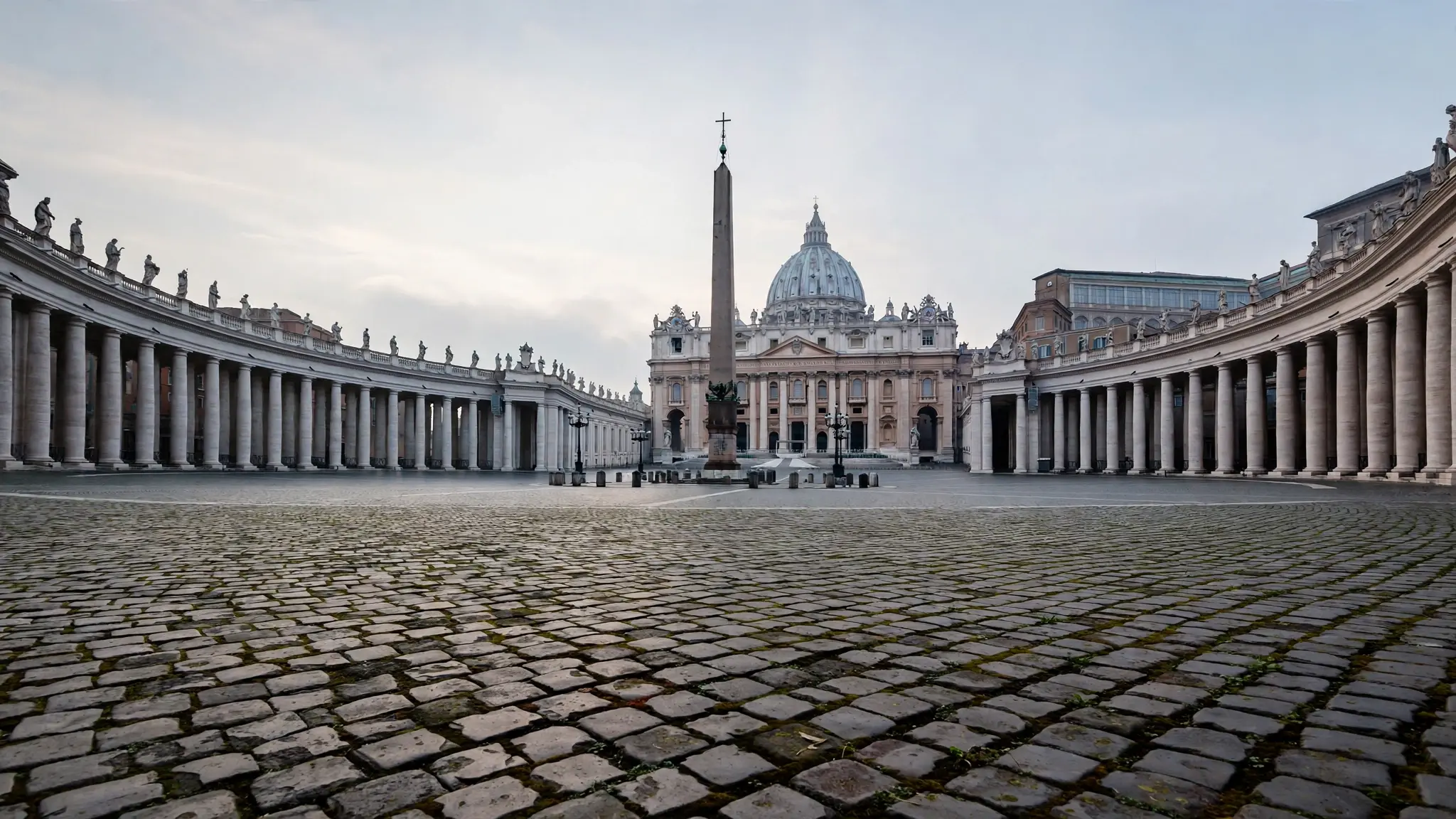 Christian News
Latest: Vatican Admits China Deal Flaws But Vows to Keep Talking to Beijing
Archbishop Paul Gallagher told journalists in Rome on 27 October 2026 that the imperfections of the 2018 Vatican-China agreement are evident, but there is a commitment to persevere in dialogue with Beijing.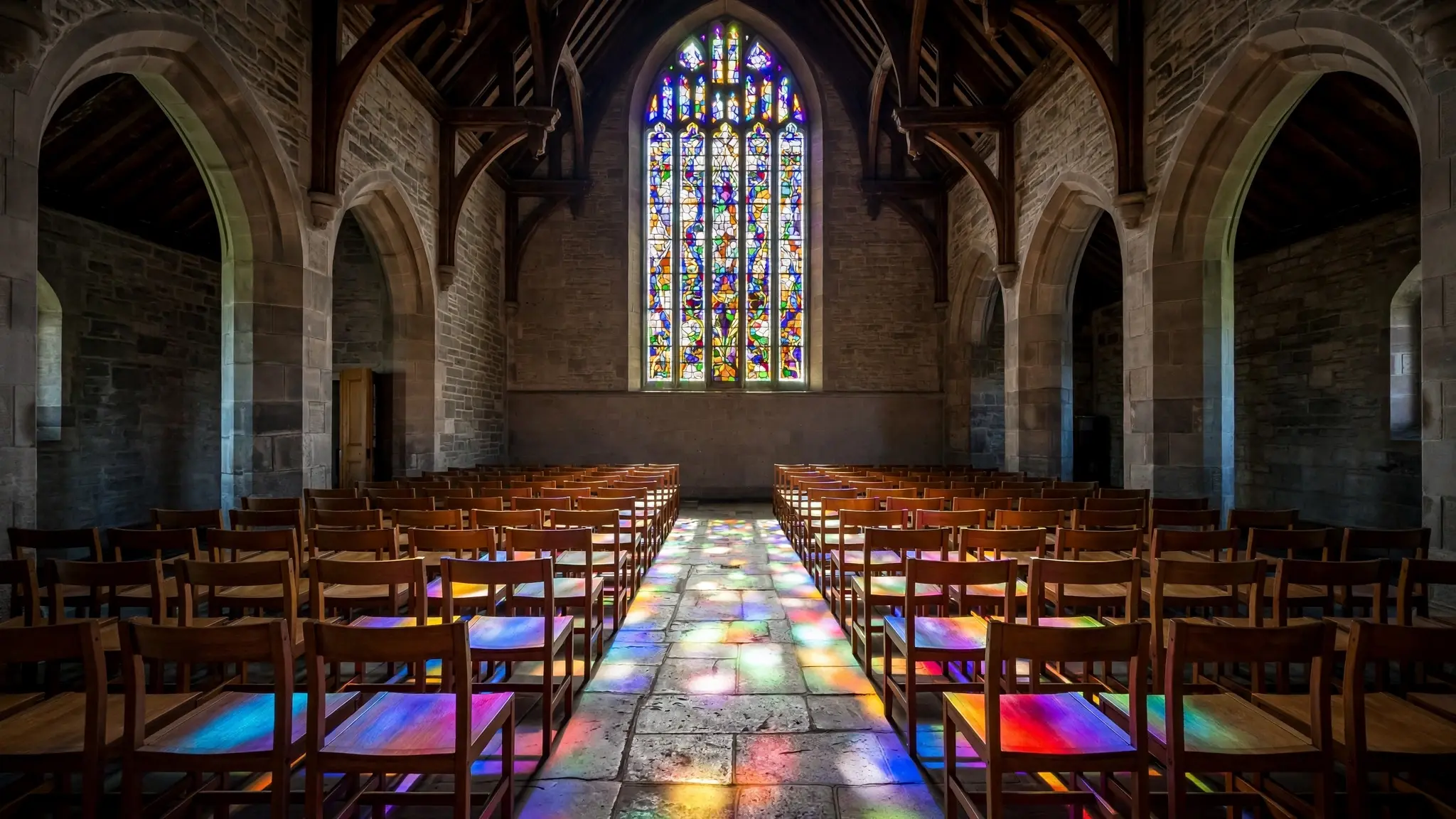 Christian News
Lilly Endowment Opens $300 Million for Campus Ministries Including Catholic Groups
The Lilly Endowment's $300 million campus ministry initiatives, announced 1 October 2026, were confirmed on 24 October as open to Catholic campus ministries including Newman Ministry, FOCUS and St Paul's Outreach. Christian News
Drummer Boy Movie: for KING + COUNTRY Explain PG-13 Rating Before November 6 Release
Drummer Boy, a Revolutionary War Christmas musical from Angel Studios directed by for KING + COUNTRY's Joel and Ben Smallbone, opens 6 November 2026 with a PG-13 rating the duo chose to explain head-on.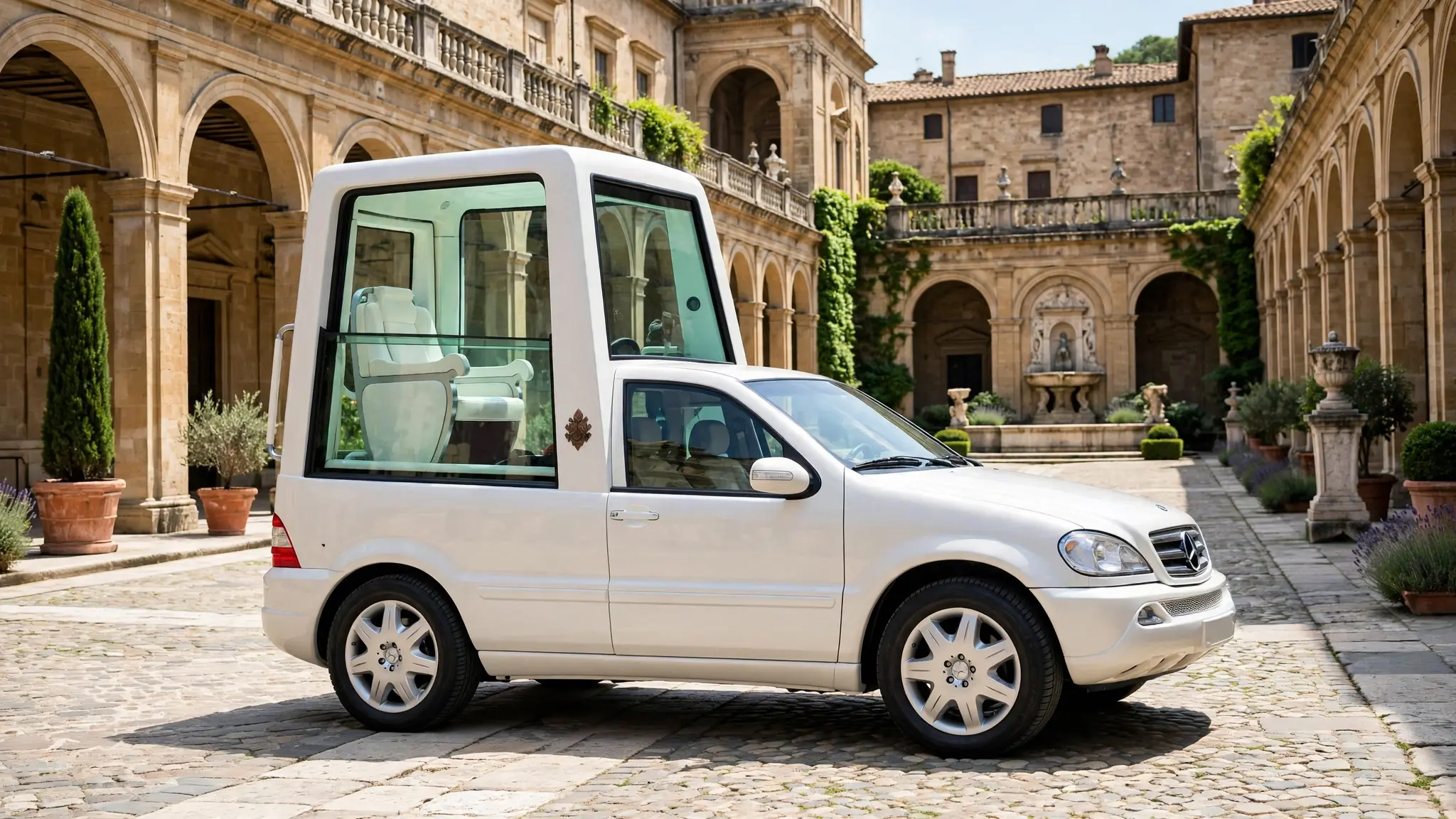 Christian News
Pope Leo XIV Calls the Popemobile an Instrument of Encounter as Vatican Exhibition Opens Today
Pope Leo XIV met Mercedes-Benz executives on 28 October 2026 and called the popemobile an instrument of encounter, as the Vatican Museums opened a century-spanning exhibition of papal vehicles.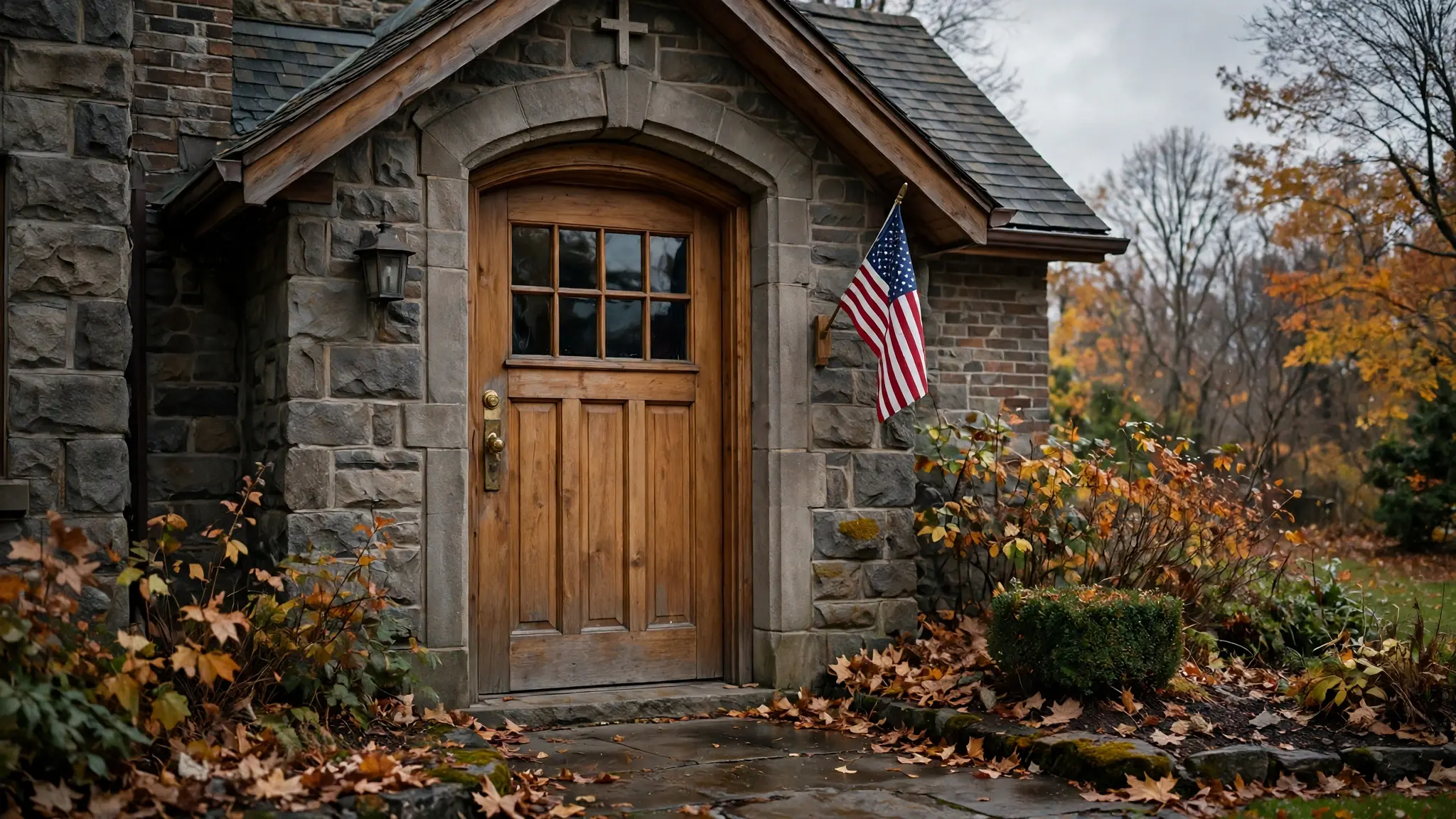 Christian News
Virginia Pastor Sues Over Same-Sex Marriage Amendment on Procedural Grounds Before November Vote
The Founding Freedoms Law Center sued in Prince William County Circuit Court for Pastor Ben Purves, challenging Question 2 on procedural grounds, in a case that will not be heard before the 3 November 2026 Virginia vote.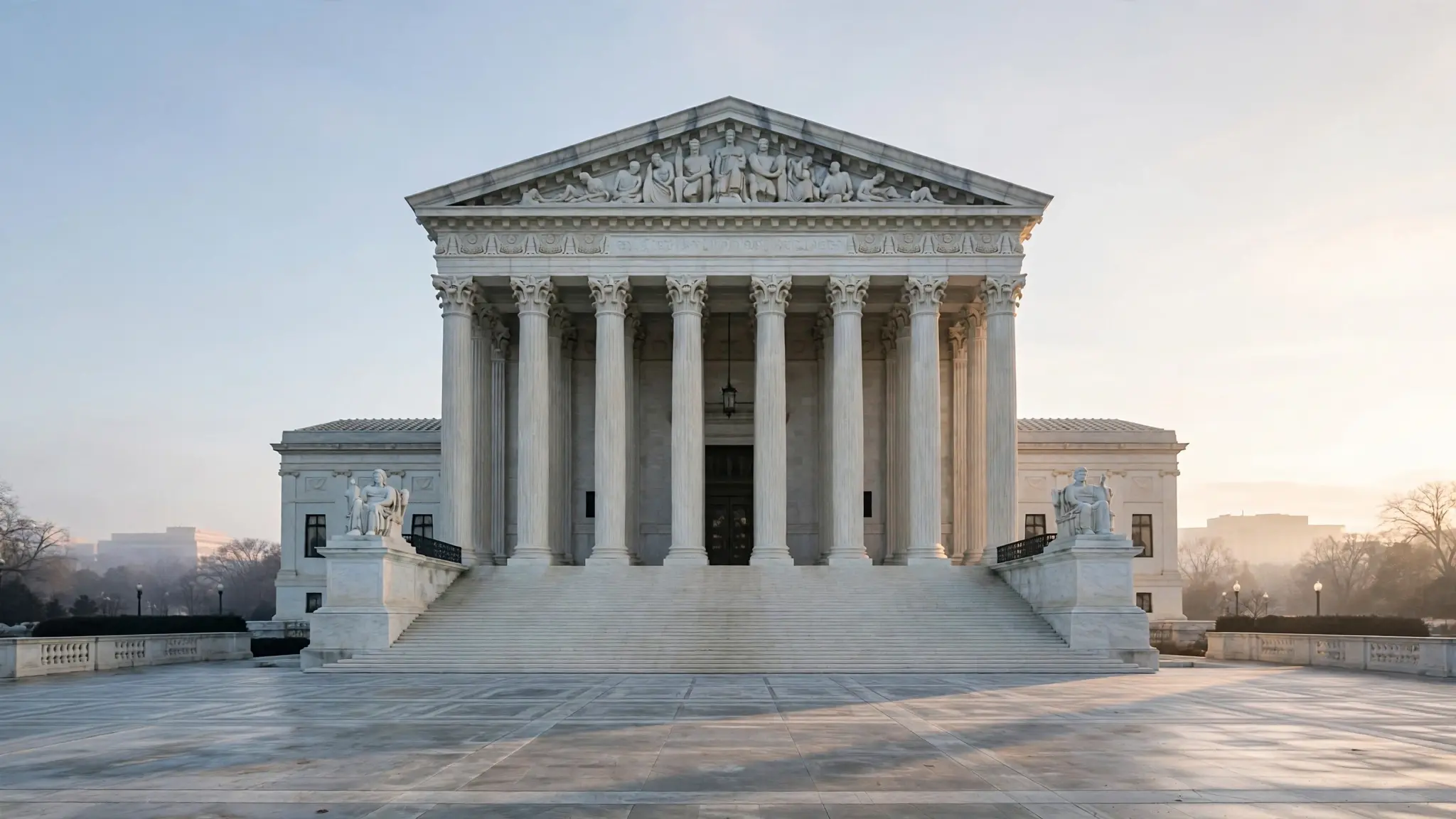 Christian News
Latest: Supreme Court Hears Catholic Preschool Case in Colorado Religious Freedom Fight
The U.S. Supreme Court heard oral arguments, in coverage dated 28 October 2026, in St. Mary Catholic Parish v. Roy, a Colorado preschool case testing the free-exercise precedent Employment Division v. Smith.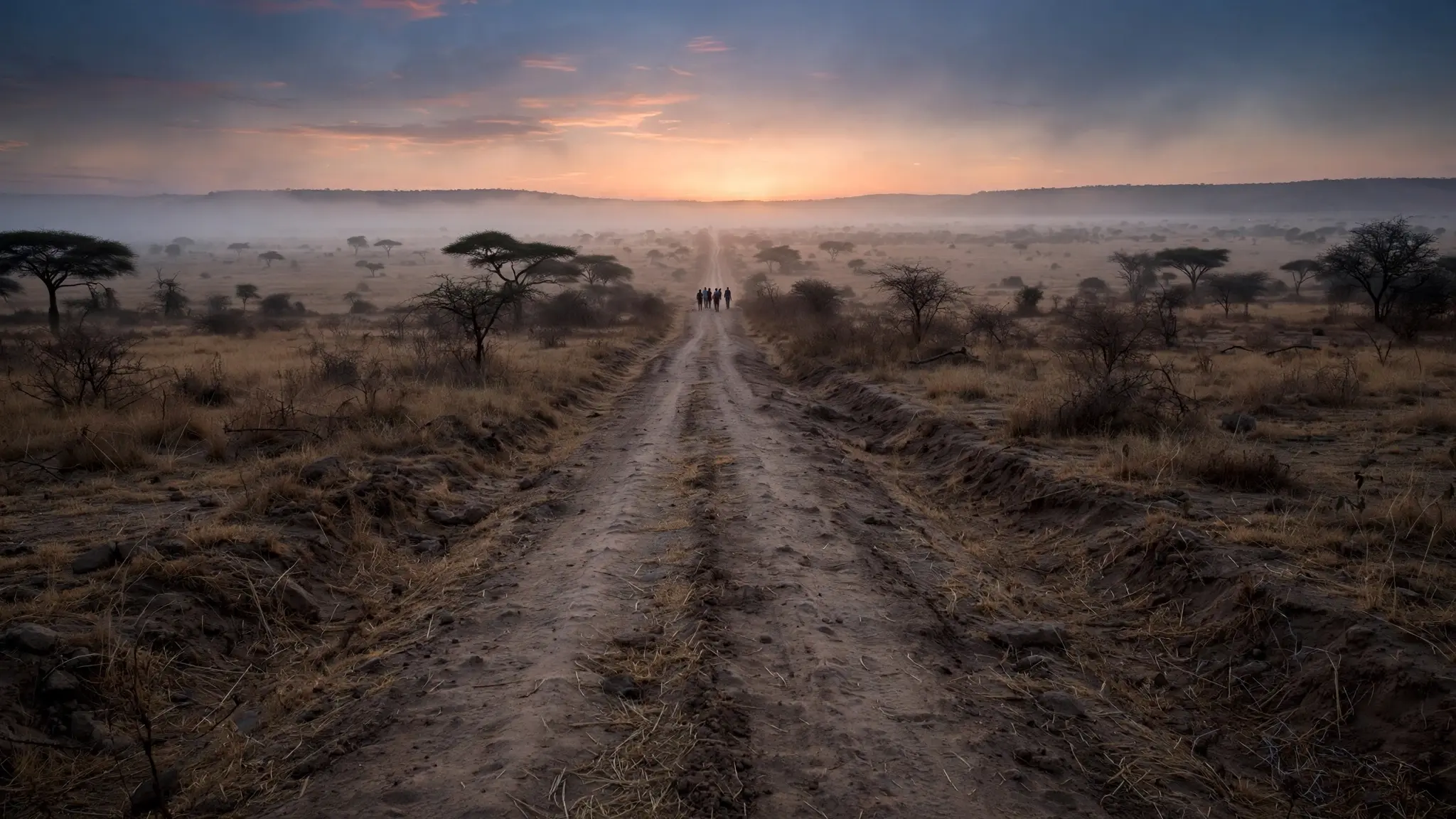 Christian News
Arise Africa Petition Today: 919,600 Signatures to Protect Persecuted Christians
The Arise Africa petition had secured more than 919,600 signatures as of 28 October 2026 toward 1 million, with a 2 November 2026 deadline for the final push for Christians facing violence in sub-Saharan Africa. Christian News
UK Budget: Church Charities Welcome Energy Relief But Say Poverty Fight Is Not Over
Church charities welcomed the Autumn Budget energy relief on 28 October 2026 but warned it covers only about half of the expected January rise, with Bishop Helen-Ann Hartley saying success must be measured by poverty reduction. Christian News
Kansas Priest Pleads Guilty Today to Stealing $159,000 From Catholic Church
Rev. Richard Storey pleaded guilty on 27 October 2026 to an amended theft charge, with restitution set at $159,362.92 to his former Leawood parish, as the archdiocese opened a preliminary canonical investigation.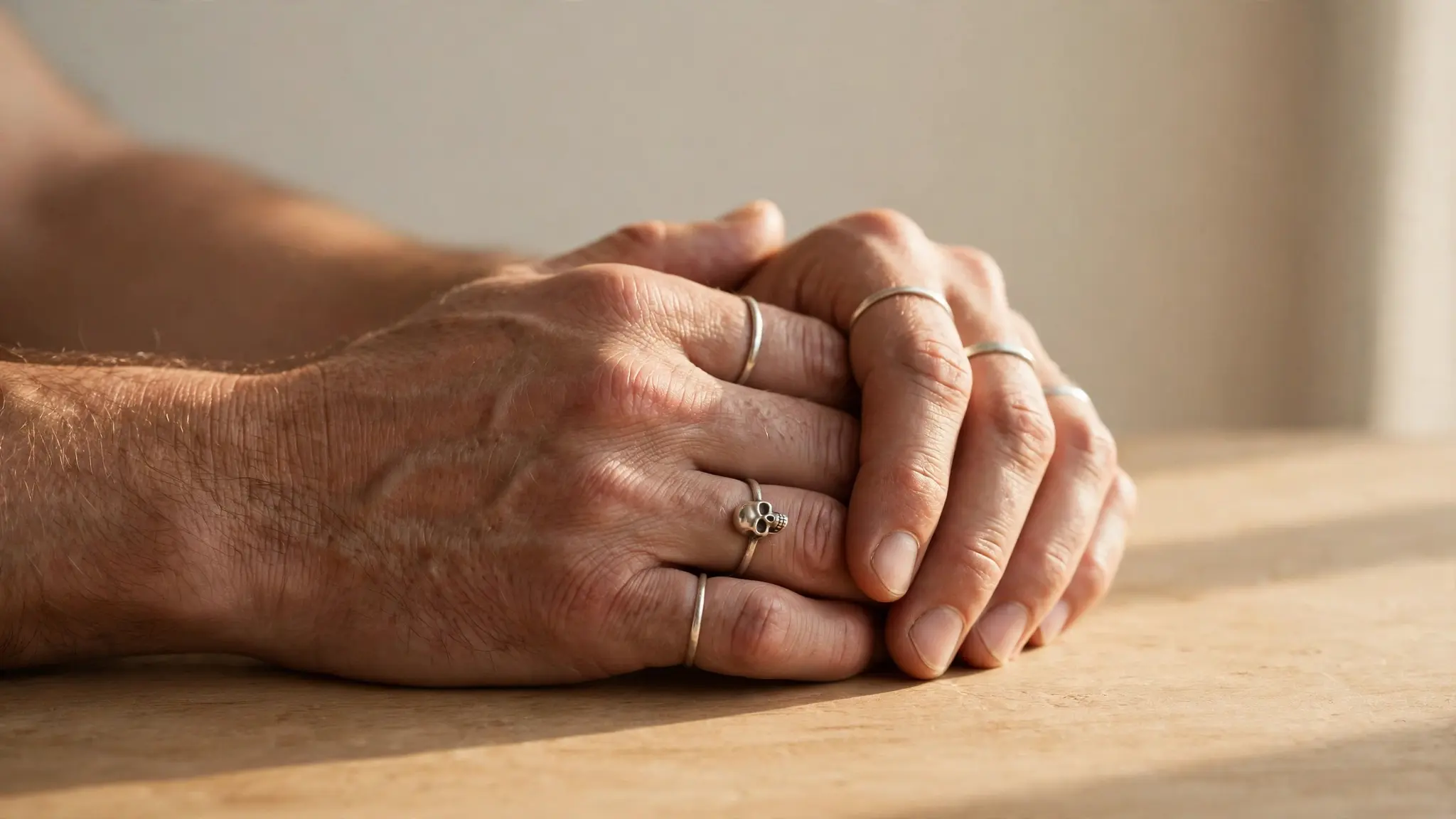 Christian News
Jonathan Roumie Explains Why He Wears Skull Rings Almost Every Day
Jonathan Roumie explained in a 26 October Instagram reel why he wears skull rings almost every day, linking them to the Christian practice of memento mori and his Hallow prayer challenge. Christian News
Chynna Phillips Urges Husband Billy Baldwin to Call Upon the Lord and Embrace Jesus
Chynna Phillips, 58, told her husband Billy Baldwin on their Holding On podcast that she longs for him to call upon the Lord, while Baldwin said he believes in God but does not know in what form.Fresh from our writers
Latest articles
Reflections, prayers and true stories: faith told the way you live it every day.
 Hope
When the Night Feels Endless: Finding Hope in the Darkest Hours
When everything falls apart, what do you hold on to? The story of a woman and the verse that kept her standing through the longest night of her life. Forgiveness
The Empty Chair: A True Story of Forgiveness
Eleven years of resentment — then one ordinary Tuesday changed everything. A true testimony about letting go and finally finding yourself free. Prayer
The Family Prayer That Brought My Brother Home
When someone you love walks away, words are not enough. This one is: a prayer for parents who wait, hope and never stop believing. Healing
 from Grief: When Your Heart Still Hurts
Grief has no expiration date. An honest, gentle guide for the days when it still hurts — and for the God who never turns away from those who weep. Love
25 Verses on Love to Hold Close to Your Heart
The most beautiful passages of the Bible on love, to reread slowly: for your marriage, your family, your heart. Psalm 91
 Explained Verse by Verse
The great psalm of protection, line by line: what God really promises to those who take refuge in Him.Find your topic
Explore the topics
Ten lovingly curated collections — more than 200 articles, and growing every day. Choose what your heart needs today.
🙏PrayerPrayers for every moment of the day: in the morning, at night, with family, when you need a breakthrough.20 articles→
💚HealingWords of the Bible for the body that suffers, the grieving heart, the wounds no one can see.20 articles→
❤️LoveWhat the Bible really says about love: in marriage, in family, with the people beside you.20 articles→
💪StrengthWhen your legs are shaking and you want to give up: verses and encouragement to keep going one day at a time.20 articles→
🛡️Psalm 91The psalm of safe refuge: prayers, explanations and promises for those seeking protection.20 articles→
📖Verse of the dayEvery morning a fresh verse, with a few lines of reflection to start the day right.20 articles→
😌Anxiety reliefFor sleepless nights and racing thoughts: prayers and verses that calm the heart.20 articles→
💛ForgivenessForgiving those who hurt you (and forgiving yourself): true stories and practical steps to start over light.20 articles→
🕊️HopeFor the dark seasons: testimonies and verses that rekindle light in weary hearts.20 articles→
✨Faith storiesReal lives changed by God: testimonies you read in one breath and keep in your heart.20 stories→