Lula Wins Brazil Election Today: Historic Fourth Term After Runoff Comeback
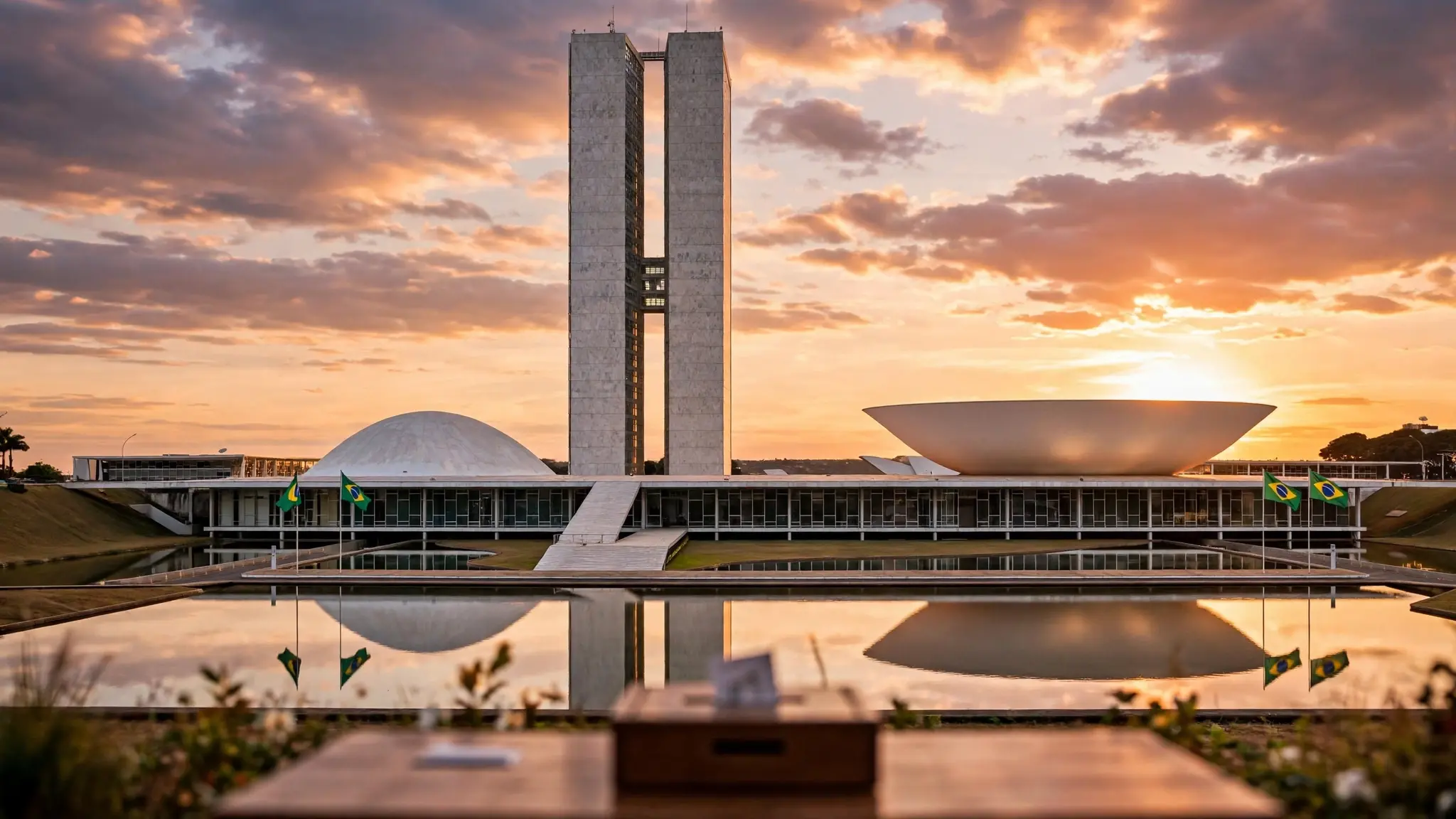
He finished second in the first round, and then he won. Luiz Inacio Lula da Silva turned a first-round deficit into a runoff victory on Sunday 25 October 2026, securing a historic fourth term as Brazil's president in a result that broke a pattern held since Brazil returned to direct presidential elections.
President Luiz Inacio Lula da Silva won re-election in the presidential runoff on Sunday 25 October 2026, USA Today and the Indian Express reported. Lula defeated conservative candidate Flavio Bolsonaro with 51.79% of the vote against 48.21%, a margin of more than 4 million votes, nearly 4.4 million votes.
In the first round earlier in October, Flavio Bolsonaro finished first with 47.03% of the vote against Lula's 45.16%, the Indian Express reported. It was the first time since Brazil returned to direct presidential elections in 1989 that a candidate who finished second in the first round went on to win the runoff.
Brazil Election Runoff Result: Lula 51.79% Beats Flavio Bolsonaro
Lula is 80 years old and turns 81 soon, according to the Indian Express, and his new term starts on 5 January 2027. Those two facts together frame the scale of the comeback, because this was not a young challenger riding a wave but an 80-year-old incumbent persuading enough voters to change their minds between rounds.
Flavio Bolsonaro, 45, is the eldest son of former President Jair Bolsonaro and a Rio de Janeiro senator, USA Today reported. He refused to concede defeat and pledged to contest the results after Brazil's Supreme Court extended voting by two hours in a last-minute decision.
Both candidates had asked for voting hours to be extended, citing public transportation issues and inclement weather in southern Brazil, USA Today reported. The timing meant some polling stations had already closed and started counting when ordered to reopen, which is the detail at the centre of the dispute that followed.
In his victory speech on 25 October Lula said the country would not accept being anybody's colony, in words reported by USA Today. The line was aimed at a wider argument about Brazil's place in the world, and it landed in a speech that was as much about sovereignty as about the count itself.
This country doesn't accept being anybody's colony.
That quotation is Lula's own words in his victory speech, as reported by USA Today, and it should be read in that context. Lula also said in the same speech that people went to vote because they had been convinced it was important to preserve democracy, a second line that sets out how his campaign says it won the argument between the rounds.
Trump Rigged Election Claim After Lula Brazil Win
On 26 October President Donald Trump alleged Lula's victory looked like another rigged election and criticised the extension and tabulation, USA Today reported. This is Trump's attributed claim, not an established finding, and this article reports it only as his allegation.
The distinction matters, because an allegation from a foreign president is news in itself, but it is not evidence about the count. No finding in the sources used for this article establishes that the election was rigged, and the article does not present Trump's words as such a finding.
Flavio Bolsonaro's refusal to concede, and his pledge to contest the results, means the result will be argued over in the courts and in public debate even though the count itself has been reported. His challenge, as reported, centres on the Supreme Court's decision to extend voting, and on the confusion caused when stations that had closed were ordered to reopen.
The extension decision will therefore be examined far more closely than it would have been if the result had been conceded on the night. Both candidates asked for it, both cited transport and weather, and yet the timing of the order has become the main ground for contesting a result decided by more than 4 million votes. Readers following the wider church response to world events can also read Pope Leo XIV's appeal for the victims of war in Yemen, made in the same week as the Brazilian runoff.
Lula Fourth Term: What Happens Next in Brazil
Lula's new term starts on 5 January 2027, which leaves a transition period in which the contest over the result and the work of forming a government will run side by side. The Indian Express notes the start date plainly, and it is the one fixed point in a story that otherwise remains disputed by the losing side.
For Brazil's churches and Christian voters, the religious shape of the vote is a separate story from the result itself, and it is told in the Portuguese-language reporting on the polls that preceded the runoff. Readers who want that angle can follow the polling split between evangelical and Catholic voters in the pre-runoff surveys, which showed the two groups pulling in opposite directions.
Readers following church news beyond Brazil can also read the Conference of European Churches gathering in Prague, where churches sought a common witness in a changing Europe, and the World Assemblies of God Congress in Accra, with 10,000 delegates meeting for the first time in Africa. Both stories show churches wrestling with public life in very different settings from Brasilia, and both help set this election in a wider Christian context.
The coming weeks will test whether the contest over the voting extension changes anything, or whether the margin of nearly 4.4 million votes simply absorbs the argument. Lula has claimed a historic fourth term, Bolsonaro has refused to concede, Trump has alleged rigging without, in these sources, producing a finding, and Brazil's voters are left watching a transition that begins on 5 January. Whether the new term starts with the dispute settled or still running is the question the next weeks will answer, and it is one the whole country will be watching untill then.
Frequently Asked Questions
President Luiz Inacio Lula da Silva won the runoff on 25 October 2026, securing a historic fourth term (USA Today / Indian Express).
Lula won 51.79% against Flavio Bolsonaro's 48.21%, a margin of more than 4 million votes, nearly 4.4 million votes (USA Today / Indian Express).
Flavio Bolsonaro finished first in the first round with 47.03% against Lula's 45.16%, the first time since 1989 that a second-placed first-round candidate won the runoff (Indian Express).
No. He refused to concede and pledged to contest the results after Brazil's Supreme Court extended voting by two hours in a last-minute decision (USA Today).
On 26 October Trump alleged the victory looked like another rigged election; this is his attributed claim, not an established finding (USA Today).
🔔 Don't Miss the Next Story!
Get breaking Christian news on your phone before everyone else — allow notifications when prompted, or join our newsletter below!
But the most surprising part of this story is yet to come — keep reading.
🙏 Have a Testimony to Share?
Has God done something amazing in your life? Or want us to cover a specific story? Send your testimony or story request via WhatsApp — your story could encourage thousands!
💬 Comments
Share your thoughts below. Be kind and respectful. If this story touched you, let us know in the comments!