Latest Jordan Airstrikes Syria After Karak Church Attack October 2026
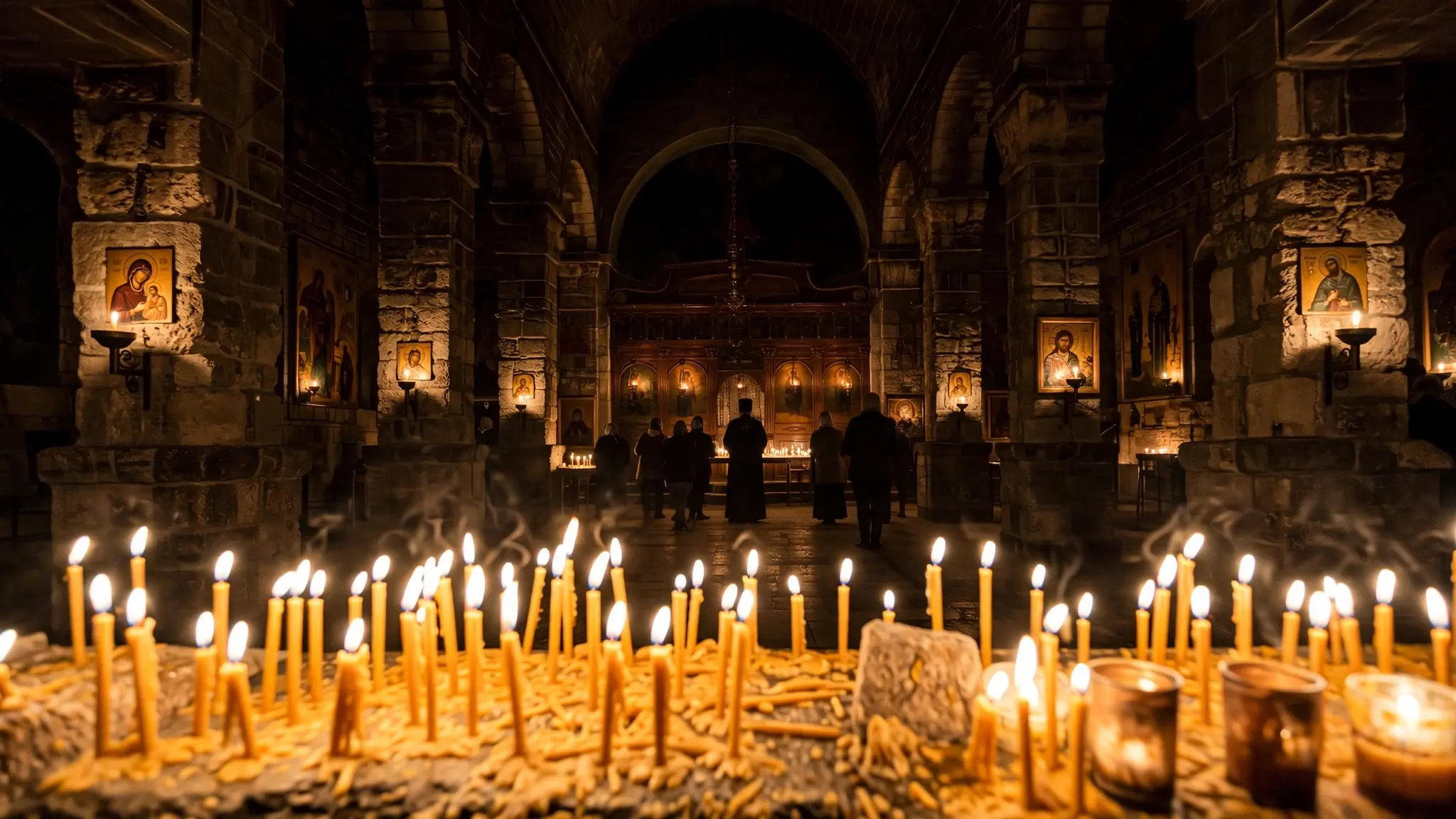
On Monday, October 26, 2026, Greek Orthodox clergy in Amman conducted a funeral service for Dr. Mohammad al-Qsous, one of nine people killed three days earlier when gunmen opened fire during a funeral at a church in Jordan. Hours later, Jordanian jets were striking across the border in Syria, and three suspects were in custody after a dawn shootout.
The attack struck St. George's Greek Orthodox Church in the village of Hmoud, in Karak governorate, about 90 kilometres south of Amman, on Friday, October 23, during a funeral. Nine people were killed and 34 were wounded, according to The Media Line, citing Jordan's Petra news agency, while the Associated Press described the wounded toll as more than two dozen. No group claimed responsibility for the attack.
Karak is home to a minority Christian population, and the shooting shocked a country where such violence against a church is highly unusual. Jordan declared three days of mourning for the victims, with flags flown at half-mast, and King Abdullah II ordered security forces to respond with what he called an iron fist.
Jordan Church Attack Arrests: Three Suspects Caught in Karak
Before dawn on Monday, Jordanian security forces located the three suspects hiding in an abandoned house in Karak governorate, the Public Security Directorate said. The men refused to surrendor and attacked security forces, who returned fire and arrested all three after wounding them, and guns and ammunition were recovered from the hideout.
No members of the security forces were injured in the raid, according to Petra. Later on Monday, the Public Security Directorate identified the three arrested men as brothers Hazzah Zaidan Mohammad and Mishal Zaidan Mohammad, and their brother-in-law Ahmad Sami Hussein, all Jordanian, taken into custody in Karak.
The agency's chief, Maj. Gen. Obaidallah Abd Rabbo Al-Maayta, described the gunmen as "takfiri," a term used for Sunni militants, but said they were not tied to any organised group. "They only represent themselves," he told a news conference, adding that a large cache of munitions was found in the abandoned house where the men were apprehended.
Interior Minister Mazen Al-Farrayeh said the attack was the result of a terroristic, extremist way of thinking, and warned that if that way of thinking is not resolved, incidents like this will be seen again. The arrests followed Jordan's arrest of three suspects over the deadly Karak church attack, and they came as families were still burying their dead, in funerals that echoed the funerals in Hamoud for the victims of the Karak shooting.
We vowed the terrorists would not escape punishment, and no proponent of dark ideologies that divide Jordanians will be tolerated.
Relatives of the victims said the arrests brought some relief, though not an end to grief. Khaled al-Borqan, himself a survivor of the attack and a relative of three of the people killed, told Al-Mamlaka television that what happened on Monday had eased the grief of the families and the Jordanian people. Fares Halaseh, an uncle of one of the victims and also a survivor, added the words that will stay with the families longest: "We will not forget this agony for years to come."
Jordan Airstrikes Syria: Retaliation After Church Attack
Jordan's air force said it carried out airstrikes against armed groups in Syria in retaliation for the Karak attack. The operation resulted in the killing and wounding of many members of these terrorist groups and the destruction of a number of their vehicles, the air force said in a statement, without specifying which groups were targeted or the precise location of the strikes.
Syrian state media reported a different toll from the strikes. The director of health in the southern province of Daraa told the state news agency SANA that at least five civilians had been killed, including women and children and a 65-year-old man. The full human cost of the retaliation remains disputed.
The strikes show how quickly a single attack on a funeral can widen into a cross-border crisis. Jordan's government has said it foiled several Islamist militant plots over the years, and officials now say they are examining every factor that leads young people toward extremism.
The Karak attack also sits within a wider pattern of pressure on Christians in the region, from the Christian village of Suqaylabiyah in Syria, hit for a second time in six months to Pope Leo XIV's appeal for the victims of war in Yemen, made the same weekend. In each place, the same question returns: who protects a congregation when a funeral itself becomes a target?
What Happens Next After the Karak Church Attack
The three suspects now face Jordanian justice, and the investigation into how they planned the attack and where they obtained their weapons is still open. The attackers' motive remains unknown and no group has claimed responsibility.
For the Christian community in Karak, the next test is quieter than airstrikes and arrests. It is whether families will return to St. George's for the next funeral, the next wedding, and the next Sunday service, and whether the candles lit this week will still be burning when the cameras have gone.
Jordan's king has promised that the terrorists would not escape punishment, and the arrests and airstrikes show that promise being acted on within days. Yet the grief voiced by the survivors in Amman and Karak points to a longer reckoning, one that will be measured not in strikes or arrests, but in whether a small Christian community in southern Jordan feels safe enough to gather again, and what the world does while it waits to find out.
Frequently Asked Questions
Nine people were killed and 34 were wounded, according to The Media Line, citing Jordan's Petra news agency, when gunmen opened fire during a funeral at St. George's Greek Orthodox Church in Hmoud, Karak, on October 23, 2026 (SRN News).
Three Jordanian men were arrested on October 26, 2026, after a dawn shootout: brothers Hazzah Zaidan Mohammad and Mishal Zaidan Mohammad, and their brother-in-law Ahmad Sami Hussein, all of whom were wounded (Associated Press).
Yes. Jordan's air force said it carried out airstrikes against armed groups in Syria in retaliation, reporting militants killed and wounded and vehicles destroyed, while Syrian state media reported at least five civilians killed in Daraa (Associated Press).
Dr. Mohammad al-Qsous was one of the nine people killed in the October 23 shooting at the church in Hamoud village, Karak, and his funeral service was conducted by Greek Orthodox clergy in Amman on October 26, 2026 (Associated Press).
No group has claimed responsibility, and Jordanian officials said the three suspects were not tied to any organised group and only represented themselves, with the motive still unknown (Associated Press).
🔔 Don't Miss the Next Story!
Get breaking Christian news on your phone before everyone else — allow notifications when prompted, or join our newsletter below!
But the most surprising part of this story is yet to come — keep reading.
🙏 Have a Testimony to Share?
Has God done something amazing in your life? Or want us to cover a specific story? Send your testimony or story request via WhatsApp — your story could encourage thousands!
💬 Comments
Share your thoughts below. Be kind and respectful. If this story touched you, let us know in the comments!