Church of England Redress Scheme Not Fit for Purpose
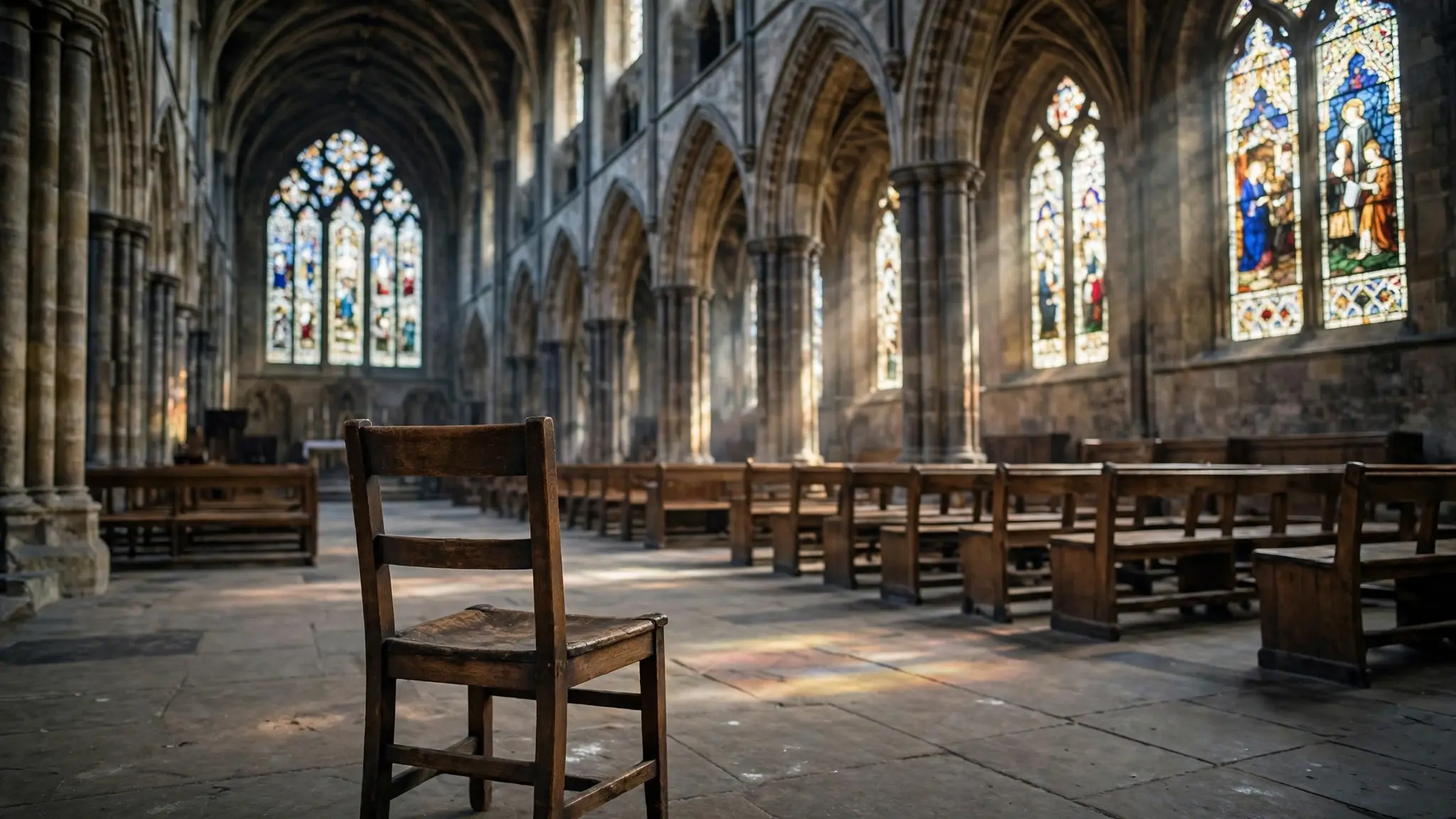
The Church of England's proposed redress scheme for abuse survivors has been criticised as "not fit for purpose" by Malcolm Johnson, head of the abuse team at Lime Solicitors, who represents survivors. He argues that restrictive eligibility criteria and a failure to consult survivors risk causing further trauma and denying victims justice.
Five survivors have already walked away. Five members of the Survivor Advisory Group, the body set up to give survivors a voice in shaping the scheme, have withdrawn their support, citing concerns about the process and the limits on compensation. Their departure is the human heart of this story: the very people the scheme was built for are saying it does not work for them.
What the Scheme Promises
The scheme is expected to launch by the end of 2026. It will offer compensation of between £5,000 and £667,000 to people who suffered sexual, physical, spiritual and financial abuse, neglect and maltreatment connected to the Church of England. The Church estimates there will be around 1,300 recipients.
The scheme was introduced after the Independent Inquiry into Child Sexual Abuse found serious failures by the Church in protecting children and responding appropriately to allegations. For many survivors, redress was meant to be a turning point: an acknowledgement, at last, that the institution had failed them and was willing to make amends.
The scheme is not yet open for applications. It will be delivered independently by the law firm Kennedys, and prospective applicants can register their interest at redresscofe.org. The Church has stressed that the process will be run at arm's length, so that decisions about compensation are made independently of the institution itself.
Why Critics Say It Falls Short
Johnson's criticism, reported by the Religion Media Centre on 6 November, focuses on two points. First, he says the eligibility criteria are too restrictive, meaning some survivors could be shut out of the scheme altogether. Second, he says survivors were not properly consulted in designing it, a failure he argues risks repeating the very pattern of not being heard that caused so much harm in the first place.
His warning is stark. A scheme designed without survivors, he suggests, risks causing further trauma to the people it is supposed to help. For survivors who have waited years, sometimes decades, for recognition, being told they do not qualify, or being put through a process that feels cold and bureaucratic, can reopen wounds that were only just beginning to heal.
These are criticisms, not settled findings about how the scheme will work in practice. The scheme has not yet opened, and no one has been through its process. But the fact that the concerns are being raised by a solicitor who represents survivors, and echoed by the survivors who left the advisory group, gives them weight that the Church will find hard to ignore.
The Five Who Walked Away
The withdrawal of five members of the Survivor Advisory Group is the detail that may matter most. Advisory groups exist so that the people affected by a decision have a seat at the table. When five of them leave, it sends a message that the table itself is the problem.
Those who withdrew cited concerns over the process and the compensation limits. The upper figure of £667,000 may sound large, but survivors and their representatives have questioned whether the bands within that range reflect the scale of harm suffered, and whether the process for deciding awards will be fair and transparent. Until the scheme opens, those questions cannot be answered with certainty.
What is clear is that trust is fragile here. Survivors of church abuse have, by definition, already been let down by an institution they trusted. Every detail of how the scheme is designed, communicated, and run will either rebuild that trust or break it further, and the early signs, according to its critics, are not encouraging.
The Wider Context
The Church of England is not the only institution wrestling with how to respond to historic abuse. Across the churches, the last few years have brought painful reckonings, public apologies, and hard questions about accountability. Pope Leo XIV's recent letter to the French bishops, touching on holiness, young people, and abuse victims, showed how central this issue has become for the whole Church, as covered in Pope Leo XIV Letter French Bishops Lourdes Holiness Youth Abuse Victims November 3 2026.
Other stories have shown how abuse and its aftermath ripple through Christian life in unexpected ways. In one parish, a minister resigned after racist abuse at a community supper, as reported in Reverend Sharon Hunt Resigns After Racist Abuse at Putney Parish Supper. And the long road of healing after childhood trauma was at the centre of Chase Rice: I Choose Jesus After Childhood Abuse Trauma, each story different but carrying the same lesson: the harm does not end when the abuse stops.
There is also a practical detail that survivors in Northern Ireland will want to know. Regulations in force from 1 November 2026 mean that lump-sum payments from redress schemes are disregarded when means-tested benefits are calculated, so recieving compensation should not cost someone their benefits. It is a small protection, but for people living on low incomes, it matters.
Lime Solicitors is hosting a seminar today, 6 November, to discuss the issues with the scheme. It is likely to be the first of many public conversations about whether the Church of England's redress offer is good enough. The seminar will give survivors, lawyers, and campaigners a chance to set out their concerns in detail, and to say what they believe needs to change before the scheme opens.
For now, the scheme remains a promise on paper, expected before the year is out. The Church has a short window to listen to its critics, to the survivors who walked away, and to the solicitors who speak for them. Whether it uses that window may decide whether the scheme is remembered as a moment of genuine repair, or as another chapter in a story survivors already know too well.
The next few weeks will tell. If the Church adjusts the eligibility rules and reopens a real conversation with survivors, the scheme could still win back the trust it needs. If it presses ahead unchanged, the criticism voiced this week will follow it into its first applications, its first awards, and its first headlines.
Survivors have waited long enough. They are watching to see whether this time, they will finally be heard.
Frequently Asked Questions
It is a proposed compensation scheme for people who suffered abuse, neglect or maltreatment connected to the Church of England, expected to launch by the end of 2026 and delivered independently by Kennedys law firm.
Compensation is expected to range from £5,000 to £667,000, depending on the nature and severity of the harm suffered. The Church estimates around 1,300 recipients.
Malcolm Johnson of Lime Solicitors, who represents survivors, has called it "not fit for purpose", arguing that restrictive eligibility criteria and a failure to consult survivors risk further trauma and denying victims justice.
Five members withdrew their support for the scheme, citing concerns over the process and the limits on compensation.
No, the scheme is not yet open. Prospective applicants can register their interest at redresscofe.org, and Northern Ireland regulations in force from 1 November 2026 disregard lump-sum payments for means-tested benefits.
🔔 Don't Miss the Next Story!
Get breaking Christian news on your phone before everyone else — allow notifications when prompted, or join our newsletter below!
But the most surprising part of this story is yet to come — keep reading.
🙏 Have a Testimony to Share?
Has God done something amazing in your life? Or want us to cover a specific story? Send your testimony or story request via WhatsApp — your story could encourage thousands!
💬 Comments
Share your thoughts below. Be kind and respectful. If this story touched you, let us know in the comments!