Archbishop of Canterbury Hosts South Sudan Church Leaders at Lambeth Palace
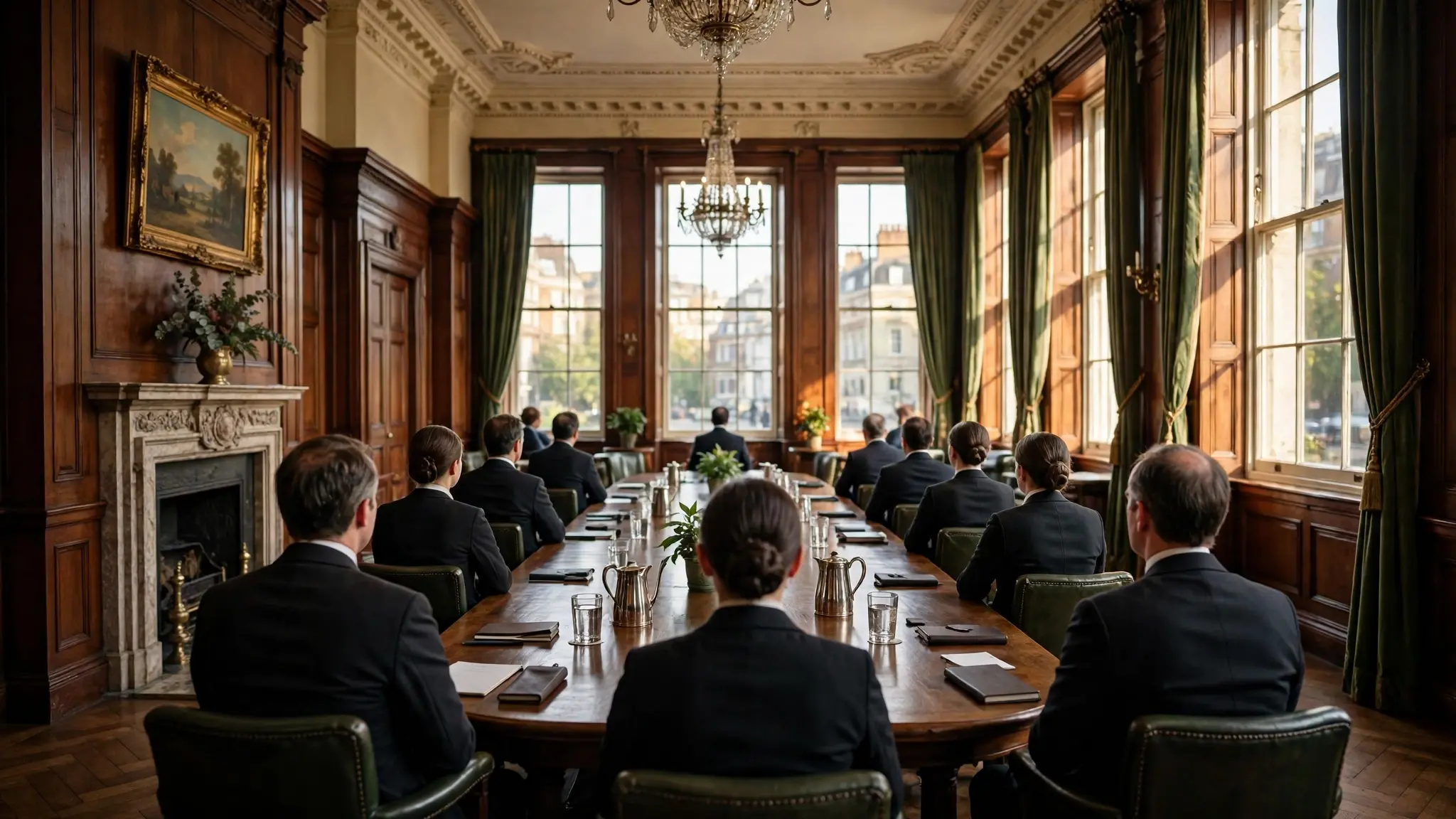
Angelina Jial had spent two weeks travelling to churches across England, Wales and Scotland, carrying South Sudan's story with her. On 23 October, that journey reached Lambeth Palace, where she sat with church leaders from South Sudan and Britain to talk about a country heading toward elections in December while its people still face violence and a dire humanitarian situation. The meeting was not a ceremony, but a plea, delivered face to face, not to be forgotten.
On 23 October, the Archbishop of Canterbury, Sarah Mullally, hosted church leaders, faith-based organisations and government officials at Lambeth Palace to discuss the conflict in South Sudan. The meeting was jointly convened by the Church of England and Christian Aid, as South Sudan prepares for elections due in December, according to the Religion Media Centre summary. Representatives of the South Sudan Council of Churches outlined the grave political and humanitarian situation in the country and the role churches are playing in peacebuilding.
The South Sudanese delegation presented attendees with a letter and statement calling for international support. In the letter, the General Secretary of the South Sudan Council of Churches, the Revd Tut Kony Nyang Kon, set out what the churches are doing on the ground, and what they are asking the wider world to do alongside them. The churches, he made clear, are not standing on the sidelines of the crisis.
Jial, Founder and Executive Director of Hope Restoration South Sudan, took part in the meeting and shared the unfolding humanitarian situation in South Sudan and how aid cuts have affected an already dire situation. Her visit followed two weeks of roadshow meetings across England and Wales and church visits in Scotland from 18 to 21 October.
South Sudan Council of Churches Appeals Not to Be Forgotten
The letter from the South Sudan Council of Churches carried a direct appeal. It asked for partnership, not pity, and it tied that partnership to the hard, patient work of mobilising communities for peace. The churches described themselves as working tirelessly, and the word carries weight when it comes from people living through the conflict they are describing.
We long for an end to violence, killings and insecurity that have plagued our society for too long. We are working tirelessly to mobilise communities for peace and to build bridges between different groups.
That is the Revd Tut Kony Nyang Kon, General Secretary of the South Sudan Council of Churches, writing in the letter presented at Lambeth Palace. He also wrote that the churches ask not to be forgotten, and urged political actors to prioritise dialogue over confrontation. The appeal was addressed to the room, but its audience was wider than the room.
Tut Kony wrote: "We ask that you do not forget South Sudan and continue to partner with us as we redouble our efforts for peace." The sentence is simple, and that is its strength. It does not ask for a single gesture, but for continued partnership, at a moment when attention can drift and aid can shrink.
Lambeth Palace Meeting: Church Leaders Pledge Solidarity and Prayer
In response, Archbishop Sarah Mullally, Archbishop Richard Moth, the Archbishop of Westminster, and the Right Revd Gordon Kennedy, Moderator of the Church of Scotland, presented the South Sudanese delegation with a letter. The three leaders spoke with one voice in that letter, and the words they chose were about listening before acting.
Their letter read in part: "We have heard your longing for peace and have seen your efforts to mobilise communities to build bridges. Your role in peacebuilding is known around the world."
The leaders added that the churches' work, in the coming months, can prevent even greater suffering in South Sudan at a critical and volatile time in the run up to elections.
The three church leaders committed "to stand with you, in solidarity, in prayer and in the spirit of the Ecumenical Peace Pilgrimage." The commitment is framed in those terms: solidarity, prayer, and a shared pilgrimage tradition, rather than a claim to solve South Sudan's politics from London. The churches in the room know the limits of what a letter can do, and they wrote it anyway.
South Sudan Humanitarian Crisis and Aid Cuts Raised at Lambeth
Jial's account of the humanitarian situation, and of the effect of aid cuts on an already dire situation, grounded the meeting in daily life rather than in statments. Aid cuts are not an abstract budget line when they land on communities already facing violence and insecurity. They mean less help reaching people who were already struggling, and churches trying to fill gaps that keep widening.
Readers who have followed violence against churches in South Sudan will recognise how much is at stake when churches are left wounded by conflict, as the report of 71 killed in South Sudan violence as churches were left wounded shows. The wider pattern of Christians facing violence across Africa is set out in the report on Christians killed in Africa in 2026, and the Ethiopian Orthodox Church account of attacks in Oromia shows how quickly a community can be left counting its dead.
Churches seeking a common witness have also discussed what churches can do together, as the Conference of European Churches meeting in Prague describes. The Lambeth meeting belongs in that wider picture, but its centre is South Sudan.
The letter has been presented, the appeal has been heard, and the commitment to stand in solidarity and prayer has been made. What happens next will be measured not in London, but in South Sudan, in the weeks before December, when the churches' bridge-building work faces its hardest test. Whether the world keeps its attention on South Sudan, and whether the partnership asked for arrives in time, is the open question the meeting left behind.
Frequently Asked Questions
On 23 October 2026, hosted by the Archbishop of Canterbury, Sarah Mullally, at Lambeth Palace. The fresh reporting of the meeting appeared on 26 to 28 October.
Church leaders, faith-based organisations and government officials, including representatives of the South Sudan Council of Churches, Angelina Jial of Hope Restoration South Sudan, and the Archbishop of Westminster and the Moderator of the Church of Scotland.
It presented a letter and statement calling for international support, asking not to be forgotten and urging political actors to prioritise dialogue over confrontation.
They committed to stand with the South Sudanese delegation in solidarity, in prayer and in the spirit of the Ecumenical Peace Pilgrimage.
South Sudan is preparing for elections due in December, described in the reporting as its first elections, at what the church leaders called a critical and volatile time.
🔔 Don't Miss the Next Story!
Get breaking Christian news on your phone before everyone else — allow notifications when prompted, or join our newsletter below!
But the most surprising part of this story is yet to come — keep reading.
🙏 Have a Testimony to Share?
Has God done something amazing in your life? Or want us to cover a specific story? Send your testimony or story request via WhatsApp — your story could encourage thousands!
💬 Comments
Share your thoughts below. Be kind and respectful. If this story touched you, let us know in the comments!