West Virginia Court Blocks 33 Churches Leaving UMC Today
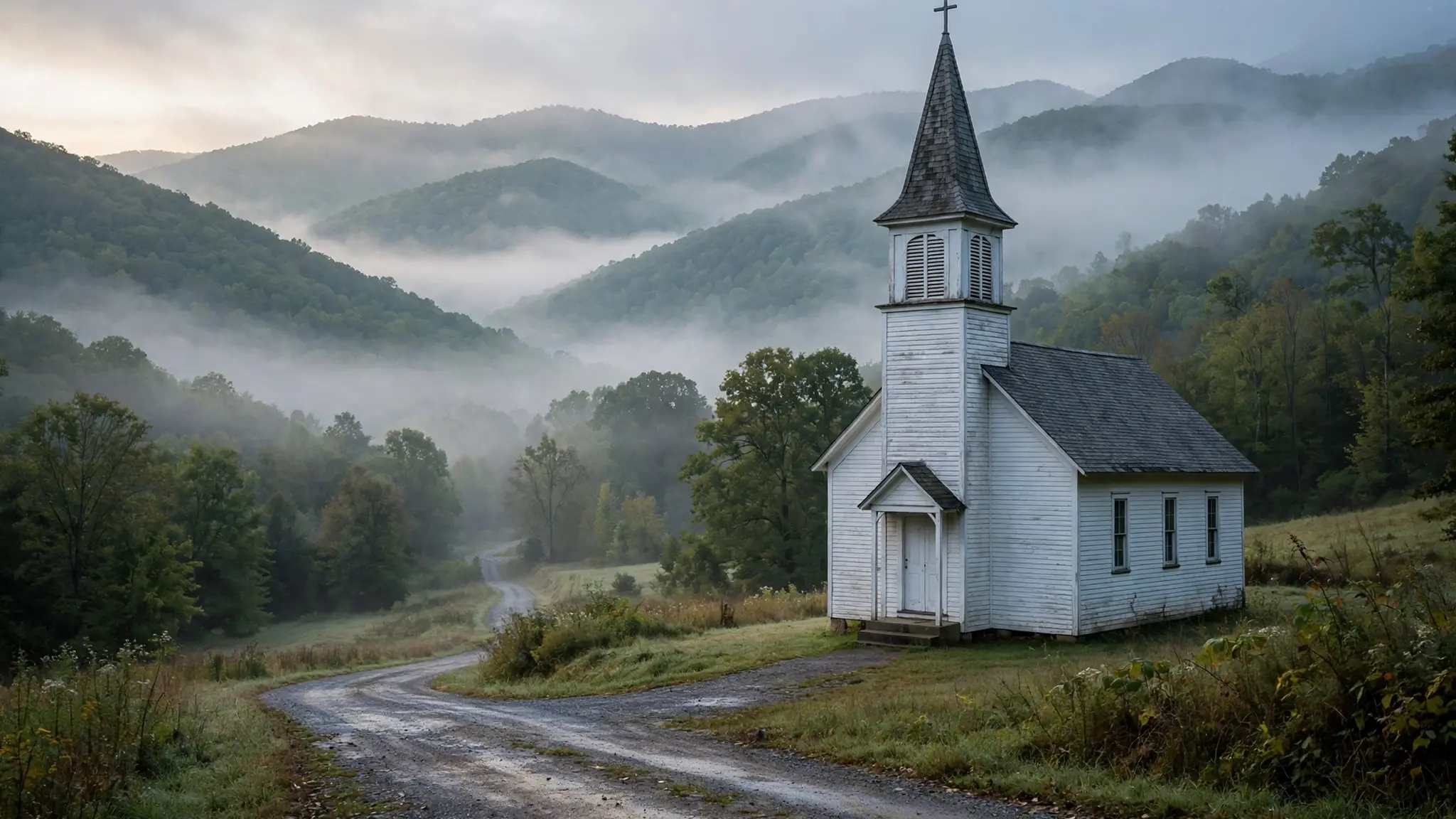
The Supreme Court of Appeals of West Virginia has blocked 33 churches from using a secular court to leave the United Methodist Church. In a decision issued on 4 November 2026 in case No. 26-198, the state's highest court granted a writ of prohibition stopping the Mercer County Circuit Court from reopening the churches' lawsuit. The court ruled the dispute is ecclesiastical, so no civil judge may decide it.
For the small congregations behind the suit, the ruling lands hard. They believed they had been promised a way out with their buildings intact — and now the state's highest court has told them the door they knocked on was never theirs to open.
West Virginia Supreme Court UMC Churches: What Justice Charles Trump IV Ruled
Justice Charles S. Trump IV wrote the opinion. He held that the fight over church property and disaffiliation turns on the interpretation of church law, and the First Amendment bars civil courts from doing that work. The West Virginia Constitution points the same way.
The court said the matter belongs to the Judicial Council of the United Methodist Church, the denomination's own highest court. That body, not a county judge, decides what the church's rules mean and how they apply. The writ means the Mercer County case cannot go forward.
Why 33 Churches Sued to Leave the United Methodist Church
The churches filed their lawsuit in 2024, after the General Conference removed longstanding bans on gay clergy and same-sex marriage. The change split the denomination, and congregations across the country began weighing whether to stay or go.
Reports say the West Virginia churches alleged that conference officials misled them about the disaffiliation deadline and their property. They believed they had been assured they could leave on time and keep their buildings. When that did not hold, they went to court in Mercer County.
Their argument was, in essence, that they had been misled, and that a promise about property should count in a courtroom. For a small congregation, the building is where generations were baptised, married and buried, and losing it feels like losing the church itself.
The denomination's position, as reflected in the ruling, is different. Questions about who may leave, on what terms, and with what property are questions of church polity, and civil courts have long been told to stay out of them. The West Virginia court agreed.
The wider denomination is shrinking as these fights play out, as reported in United Methodist Church Membership Falls by 174,000 in 2025: New Report, and each departure deepens the sense of a church remaking itself in real time.
Other Churches That Voted to Leave the United Methodist Church
West Virginia is not the only place where congregations have reached a breaking point. In Texas, one large congregation put the question to a vote, as reported in Texas Megachurch Votes Today to Leave United Methodist Church, and the pattern has repeated in church after church since the General Conference acted.
In Dallas, Highland Park's congregation voted to leave while its bishop moved to appoint a new pastor, as covered in Latest: Highland Park Church Votes to Leave United Methodist Church as Bishop Appoints New Pastor. The details differ from place to place, but the shape is familiar: a congregation that no longer recognises the church it joined, and a building caught in the middle.
What sets the West Virginia case apart is the answer. In Texas and elsewhere, the departures were votes and negotiations. In West Virginia, 33 churches asked a judge to settle it, and the state's highest court said no judge may.
Mercer County Churches Property Dispute: What Happens Next
The ruling does not say the churches were right or wrong about what they were told. It says something narrower, and more painful for them: no secular judge gets to answer that question at all. Their path now runs through the church's own courts, not the state's.
That distinction matters beyond West Virginia. Disaffiliation fights have split congregations across the country, and every one of them raises the same tension between property, promises and religious freedom. The West Virginia decision adds a clear marker: in that state, the church's own tribunal is the forum.
A separate church property fight in Virginia is still moving through the courts, as reported in McLean Bible Church Lawsuit Continues After Virginia Supreme Court Dismisses Appeal, and the United States Supreme Court itself is weighing how far a state may go in regulating religious institutions, as covered in Latest: St. Mary v. Roy — Supreme Court to Decide if Colorado Can Block Catholic Preschools (2026).
The pattern is the same in each place: ordinary beleivers caught between their faith, their buildings and the law, with each ruling leaving someone feeling unheard.
A similar Texas vote was already on the calendar, as reported in Latest: Texas Megachurch Votes This Sunday on Leaving United Methodist Church, and the Supreme Court's interest in religious freedom cases continues, with the Catholic preschool dispute set for argument, as covered in Supreme Court to Hear St. Mary Catholic Parish v. Roy Preschool Case on November 3. The Colorado case was argued in the same season as the West Virginia decision, as reported in Latest: Supreme Court Hears Catholic Preschool Case in Colorado Religious Freedom Fight.
Whether the Judicial Council takes up the churches' claims, and what it decides if it does, is still unknown. Thirty-three congregations are waiting. Their buildings stand where they have always stood, and the question now is who gets to decide what happens to them — for now, not a judge in Mercer County.
Frequently Asked Questions
In case No. 26-198, the court granted a writ of prohibition stopping the Mercer County Circuit Court from reopening a lawsuit by 33 churches seeking to leave the United Methodist Church. The court ruled the dispute belongs to the denomination's Judicial Council.
Per Justice Charles S. Trump IV's opinion, the dispute turns on the interpretation of church law. The First Amendment and the West Virginia Constitution bar civil courts from deciding such questions.
Reports say the churches sued in 2024 after the UMC General Conference removed bans on gay clergy and same-sex marriage, alleging officials misled them about the disaffiliation deadline and their property.
A writ of prohibition is an order from a higher court telling a lower court to stop proceedings. Here it prevents the Mercer County Circuit Court from reopening the churches' lawsuit.
The matter belongs to the Judicial Council of the United Methodist Church. Whether it takes up the churches' claims, and what it decides, is not yet known.
🔔 Don't Miss the Next Story!
Get breaking Christian news on your phone before everyone else — allow notifications when prompted, or join our newsletter below!
But the most surprising part of this story is yet to come — keep reading.
🙏 Have a Testimony to Share?
Has God done something amazing in your life? Or want us to cover a specific story? Send your testimony or story request via WhatsApp — your story could encourage thousands!
💬 Comments
Share your thoughts below. Be kind and respectful. If this story touched you, let us know in the comments!