Russia Destroyed 737 Churches in Ukraine, Yet Faith Is Growing
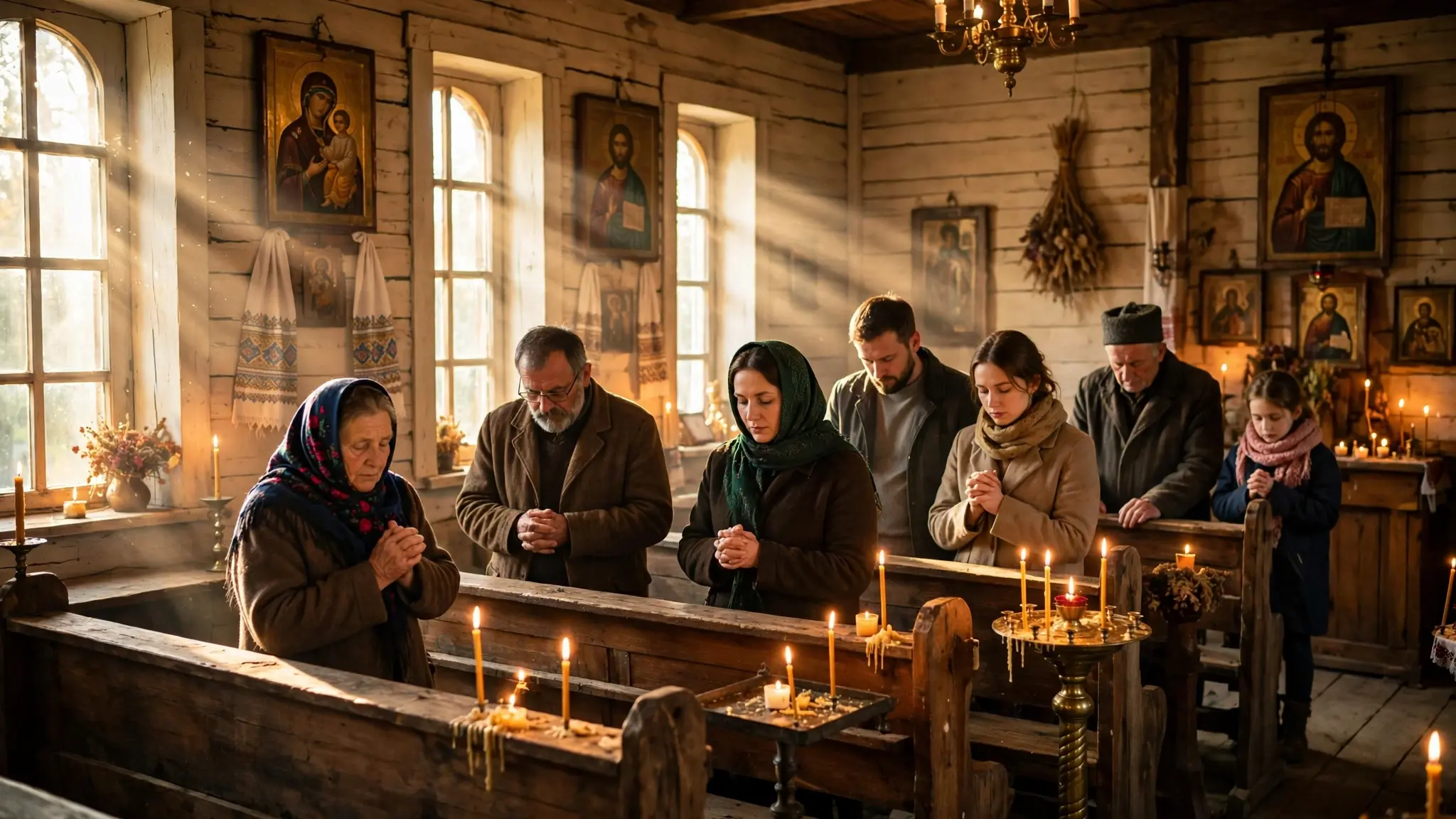
Pastor Mark Sergeev lost his church twice. Russian forces confiscated the Melitopol Christian Church his parents founded 30 years ago, along with his home, and after he rebuilt his life in Kyiv, he lost a second home to the war. He still pastors a congregation, and his story is why a startling set of numbers published on 29 October 2026 refuses to behave the way war statistics usually do.
Russia has damaged or destroyed at least 737 places of worship in Ukraine since the full-scale invasion began in 2022, according to the Religion on Fire project, cited by Mission Eurasia in its report "Continued War Against Faith: Religious Genocide in the Occupied Territories of Ukraine, 2022–2025". The figure covers churches, monasteries, mosques, synagogues and other houses of worship, and monitors warn the true total is likely higher because access to occupied territory remains limited.
And yet faith is growing. Since the invasion began, the number of registered religious organisations in Ukraine has grown by more than 3,000, an almost 10 percent rise, mostly in Catholic and Protestant congregations, the Christian Post reported on 29 October 2026. Some 74 percent of Ukrainians now identify as believers, up from 68 percent before the war.
The sharpest jump is among the young. Among 18 to 24-year-olds, the share calling themselves believers rose from 48 percent to 61 percent, the biggest increase of any age group. In a country where serving God has become a dangerous task, it is the youth who have come out in force, carrying generators for hollowed-out sanctuaries and singing praise for those no longer able to.
As serving God becomes a more dangerous task due to ever-present Russian attacks, it is the country's youth who have come out in force to care for the elderly, carry the generators for their hollowed-out sanctuaries, and sing their praise loudly.
That observation comes from Colby Barrett, the op-ed contributor who reported the figures in the Christian Post after time on the ground across Ukraine. He writes that the display of devotion does not shock him: communties are choosing to serve, rebuild, worship and move forward despite Russia's attempts to break them.
Ukraine Churches Destroyed: 737 Houses of Worship and Counting
The destruction has hit virtually every tradition. Religion on Fire's breakdown includes 395 sites of the Ukrainian Orthodox Church (Moscow Patriarchate), 75 of the Orthodox Church of Ukraine, 31 Greek Catholic and Roman Catholic churches, 194 Protestant churches, 22 Jewish community sites and 7 Muslim sites, along with theological schools.
Baptists have suffered disproportionately. Igor Bandura, vice president of international affairs for the All-Ukrainian Union of Associations of Evangelical Christian-Baptists, counts at least 450 churches in the Baptist Union among the 737 impacted buildings, even though Baptists are only 1 to 2 percent of Ukraine's population, Baptist Press reported.
The attacks have not stopped. On Sunday 18 October, a Russian attack destroyed the Good News Pentecostal Church, led by Pastor Viktor Pavenko for over 30 years, the Christian Post reported. In occupied areas of Zaporizhzhia and Kherson, Mission Eurasia reports that occupation authorities have effectively banned most religious organisations except groups aligned with the Moscow Patriarchate.
Counts vary by methodology, and readers should know that. UNESCO had verified at least 154 religious sites damaged as of June 2026, a far lower figure that reflects only sites its own missions could verify, while Ukrainian monitoring groups document a much larger total. The 737 figure is the monitors' documented count, not a verified-every-site census, and this article reports it as such.
Mark Sergeev: A Pastor Who Lost Two Homes and Kept Preaching
Sergeev's story is now documented in "Even in the Ruins", an episode of the new series "Faith in War". He previously led the Melitopol Christian Church in southeastern Ukraine until Russia confiscated both the church and his home. Now pastor of the Kyiv Ecclesia Church, he serves a congregation young and old with what the report describes as compassion, courage and unwavering hope.
He is not an exception. Bandura told Baptist Press that displaced pastors have planted almost 100 churches during the four years of war, many of them led by pastors who fled occupied territories, and at least 170 groups and churches have been launched across 15 European countries to serve Ukrainian refugees.
The wider Ukrainian story on this site includes the delivery of a prisoner list to Pope Leo at the Vatican and the Prague conference where European churches sought a common witness. The persecution picture behind the numbers is set out in the report finding conditions worsened in 55 percent of countries surveyed, with none improving.
Rebuilding a church is not the easy choice, Barrett writes. It is an act of confidence in Ukraine's future, and a declaration that Russia's campaign against faith has failed at the one thing it most wanted: to make belief itself surrender.
Whether the next count of ruined churches climbs past 800, and whether the next generation of Ukrainian believers keeps growing faster than the bombs can fall, is the open question hanging over every congregation meeting in a damaged hall this Sunday. The ruins are counted. The faith, so far, refuses to be.
Frequently Asked Questions
At least 737 religious buildings had been documented as damaged or destroyed as of 16 December 2025, according to the Religion on Fire project, cited by Mission Eurasia. The total includes churches, monasteries, mosques, synagogues and other houses of worship, and monitors say the true number is likely higher.
Registered religious organisations have grown by more than 3,000 since the invasion began, an almost 10 percent rise mostly in Catholic and Protestant congregations, and 74 percent of Ukrainians now identify as believers, up from 68 percent before the war, according to the Christian Post report of 29 October 2026.
Mark Sergeev previously led the Melitopol Christian Church, founded by his parents 30 years ago, until Russian forces confiscated the church and his home. He now pastors the Kyiv Ecclesia Church, and his story is documented in "Even in the Ruins", an episode of the series "Faith in War".
Counts vary by methodology. UNESCO had verified at least 154 religious sites damaged as of June 2026 through its own missions, while Ukrainian monitoring groups like Religion on Fire document a much larger total of 737 based on wider reporting, including from occupied territories.
On Sunday 18 October 2026, a Russian attack destroyed the Good News Pentecostal Church, which Pastor Viktor Pavenko had led for over 30 years, according to the Christian Post.
🔔 Don't Miss the Next Story!
Get breaking Christian news on your phone before everyone else — allow notifications when prompted, or join our newsletter below!
But the most surprising part of this story is yet to come — keep reading.
🙏 Have a Testimony to Share?
Has God done something amazing in your life? Or want us to cover a specific story? Send your testimony or story request via WhatsApp — your story could encourage thousands!
💬 Comments
Share your thoughts below. Be kind and respectful. If this story touched you, let us know in the comments!