Germans Back Merging Catholic and Protestant Churches, 31 Percent Say in 2026 Poll
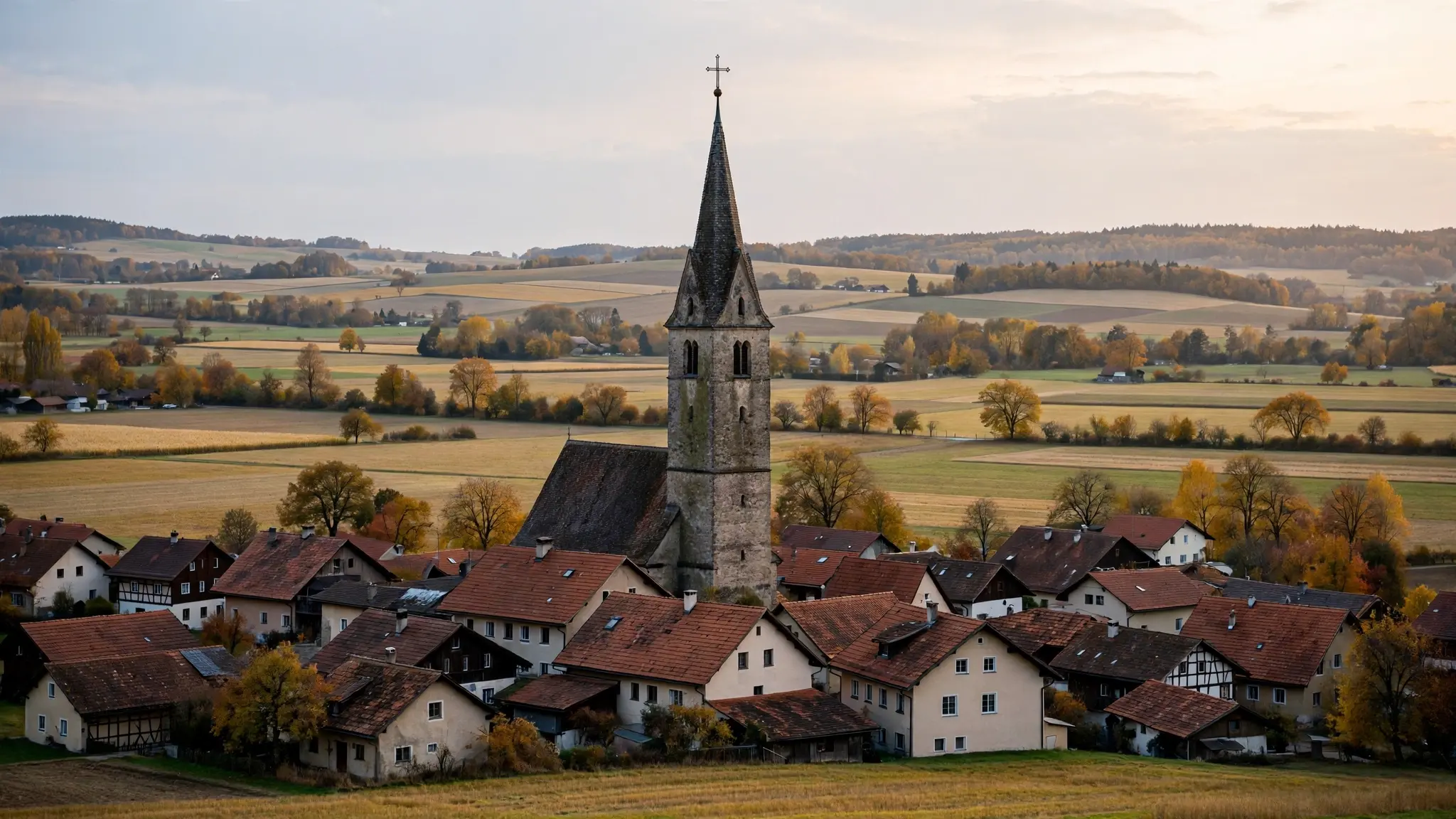
Put one blunt sentence to 2,010 Germans and see what comes back. The research institute INSA-Consulere did just that between 23 and 26 October 2026, on behalf of the Protestant news agency IDEA. Almost one in three, 31%, said the Protestant and Roman Catholic churches should merge, while a slightly larger share, 34%, disagreed.
Nearly as many people, 28%, answered "Don't know", and 7% gave no answer at all. That large unsure middle is part of the story. Germans were not asked about a plan, a date or a structure, only about an idea, and more than a third of them would not, or could not, say yes or no.
German Catholics Back Church Union More Than Protestants
Roman Catholics were the most likely to support a merger, the survey found. Among Catholic respondents, 44% were in favour and 30% were against, according to Evangelical Focus and Christian Daily International, which both reported the INSA findings. That is a clear margin, and it stands out because Catholics are being asked to imagine a union with the church that split from Rome five centuries ago.
Members of the Evangelical Church in Germany, the mainline Protestant body known as the EKD, leaned the other way. Among EKD members, 35% were in favour and 42% were against, the same two outlets report. The free churches, including independent evangelical congregations, were the most opposed, with half of their members against a merger, although another 39% were in favour.
Women were somewhat more open to the idea than men, at 33% compared with 29%, Christian Daily International reports. By age, the youngest and oldest respondents were the most supportive, with 35% in favour among 18 to 29-year-olds and among those over 70. The lowest level of support, 24%, came from people aged 60 to 69.
Germany Church Membership Decline Behind Merger Poll
The poll landed at a time when both large churches are shrinking, and the decline occured over decades, not in one year. Recent statistics from the EKD showed around 17.4 million people belonged to one of its 20 regional churches at the end of 2025, Evangelical Focus reports. That was a decline of around 3.2%, driven by about 350,000 resignations and around 330,000 deaths.
The Catholic Church in Germany counted 19.2 million members at the same point, 2.6% fewer than the previous year, Evangelical Focus reports, because around 307,000 people left the church and there were about 203,000 Catholic funerals. Christian Daily International, reporting in September, put the two churches together at about 44% of the population. In April 2025 it had reported, citing Fowid data for 2024, that people with no religious affiliation had for the first time outnumbered Catholics and Protestants combined, at 47% against 45%.
Against that background, a merger can sound less like a theological project and more like a practical question. Two bodies losing members, money and public presence might wonder whether one body could do the work better. The poll does not show that Germans have thought that question through, only that a third of them like the sound of the answer.
One smaller church body is moving in the opposite direction, on its own figures, though the context matters. The Federation of Free Evangelical Churches reported that baptisms on profession of faith rose from 1,491 to 2,624 over four years, a rise of about 76%, Evangelical Focus reports. Christian Daily International notes the comparison begins in 2021, when public health restrictions limited gatherings and baptisms, and the federation counted 40,933 members in 504 congregations at the end of 2025.
"The Protestant and Catholic churches should unite."
That is the statement INSA put to respondents, as quoted by The Catholic Herald, and its plainness is the point. It did not specify what form a union would take or how it might be achieved, Christian Daily International reports. A respondent could have been picturing shared buildings, shared leadership, shared doctrine, or simply a warmer relationship, and the poll cannot tell those pictures apart.
INSA interviewed 2,010 adults online between 23 and 26 October 2026, and IDEA said the results are representative of the adult population in Germany, as well as by gender, age and region, Evangelical Focus and Christian Daily International report. The Catholic Herald reported the same poll on 2 November 2026. All three outlets are reporting the same single poll, and no second poll with the same question was seen.
Readers can follow the wider story of churches under strain in a report warning the Church of England faces financial disaster, and a call to prayer in the Church of Scotland day of prayer Light in the Darkness. Growth in a different setting is covered in nine adults welcomed into the Orthodox Church in Perth, and preparation for growth in Blackburn Bishop Philip North calling Lancashire churches to prepare for growth.
The next question belongs to the churches, not to the pollsters. If 31% of Germans like the idea of one church, what would that church believe, who would lead it, and what would it ask of the people who already belong to one of the two? Until Catholic and Protestant leaders say what "unite" would mean in practice, the poll will sit as an intriguing number, waiting for a proposal to test it against.
Frequently Asked Questions
Respondents were asked their view of the statement "The Protestant and Catholic churches should unite", The Catholic Herald reports. The question did not specify what form a union would take or how it might be achieved, Christian Daily International reports.
About 31% agreed the churches should unite and 34% disagreed, with 28% answering "Don't know" and 7% giving no answer, Evangelical Focus and Christian Daily International report.
Roman Catholics, with 44% in favour and 30% against, Evangelical Focus reports. EKD members leaned against, at 35% in favour and 42% against, and free church members were the most opposed, with half against and 39% in favour.
The EKD reported about 17.4 million members at the end of 2025 and the Catholic Church about 19.2 million, Evangelical Focus reports, with the two together at about 44% of the population, Christian Daily International reported in September.
It is a single INSA-Consulere poll of 2,010 adults for IDEA, carried out online from 23 to 26 October 2026, and all three outlets report the same figures. No independent poll replicating the question was seen, so the results show opinion on one wording at one moment, not a settled mandate for a merger.
🔔 Don't Miss the Next Story!
Get breaking Christian news on your phone before everyone else — allow notifications when prompted, or join our newsletter below!
But the most surprising part of this story is yet to come — keep reading.
🙏 Have a Testimony to Share?
Has God done something amazing in your life? Or want us to cover a specific story? Send your testimony or story request via WhatsApp — your story could encourage thousands!
💬 Comments
Share your thoughts below. Be kind and respectful. If this story touched you, let us know in the comments!