India Christians Denied Graves for Their Dead on All Souls Day
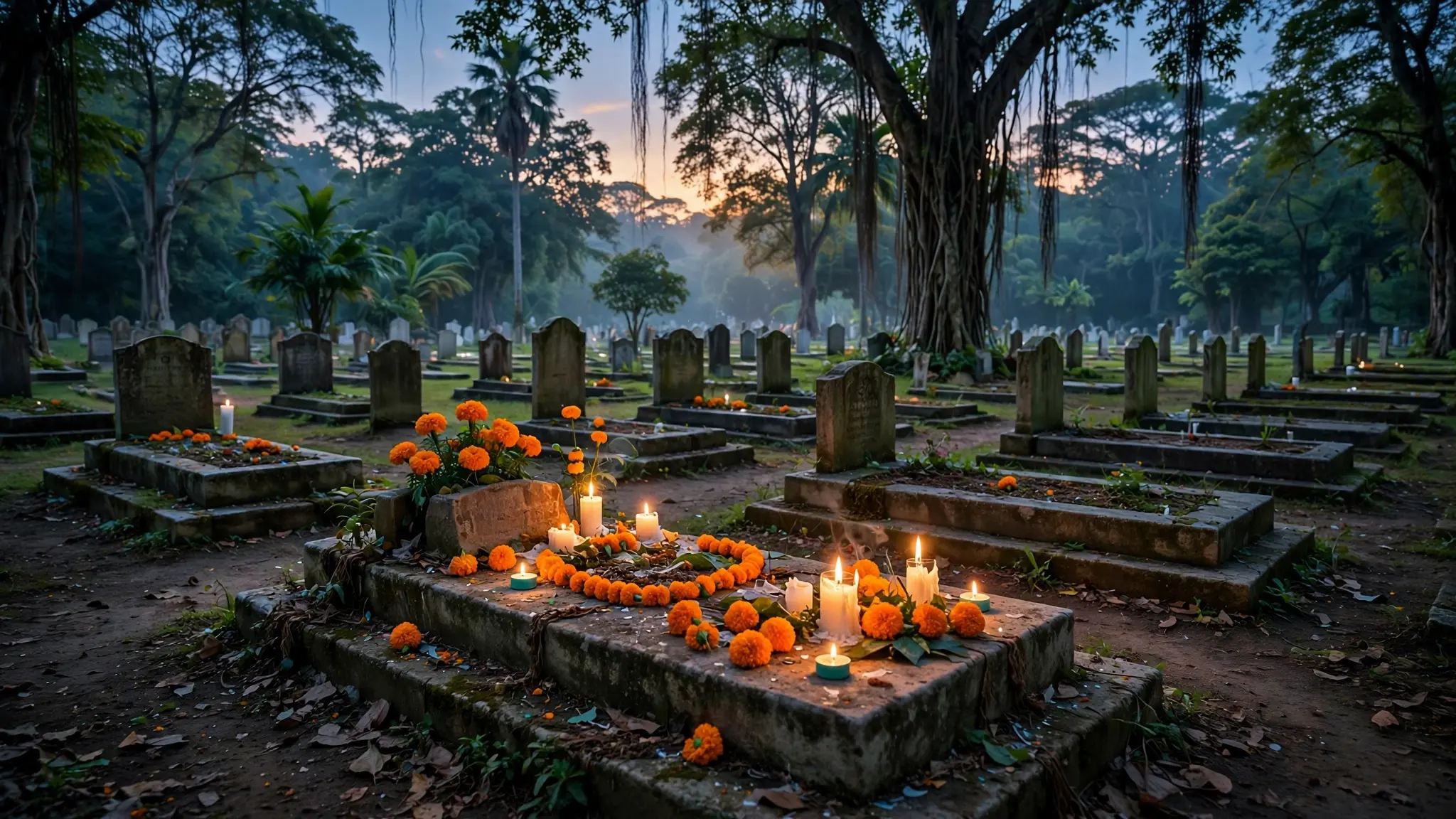
Ramesh Baghel waited weeks to bury his own father. Pastor Subhash Baghel had died in January 2025, and his son wanted to lay him to rest in their ancestral village of Chhindawada in Bastar, Chhattisgarh, but villagers objected, the body waited in a mortuary while lawyers argued, and in the end the Supreme Court directed burial at a Christian graveyard in Karkapal, about 20 kilometres away, under heavy security.
That ordeal is the centre of a UCA News commentary published on All Souls Day, 2 November 2026, which argues that India's Christians need more than prayers for the dead. The piece says Christian families, many of them Adivasi Christians, are being told in parts of India, especially Chhattisgarh, that their dead cannot be buried in their own villages. Some bodies have waited in mortuaries while families pleaded for a place to bury their loved ones.
Ramesh Baghel and the Chhattisgarh Christian Burial Case
The Supreme Court bench split in the Baghel case, UCA News reports. Justice B. V. Nagarathna saw the village's refusal as hostile discrimination and permitted burial on the family's own land, while Justice S. C. Sharma held that the designated Christian burial ground should be used.
Pastor Baghel was finally buried in Karkapal. One family's ordeal ended, the commentary says, but the constitutional question did not.
Other reporting puts the Karkapal distance at 20 to 25 kilometres, so readers should treat the exact distance as reported differently by different sources. UCA News gives about 20 kilometres, the legal case study record gives 20 to 25 kilometres, and the human fact does not change with the measurement.
The pattern, UCA News reports, is spreading: in October 2026, Punpalli village in Sukma district reportedly passed a resolution denying Adivasi Christians access to land for burials, so families would have to travel more than 13 kilometres to Dhornapal or over 40 kilometres to Sukma town to bury their dead.
India Christian Burial Rights and the Constitution
Local Christian leaders say at least four villages in Sukma district and about 10 across the wider Bastar region have adopted similar measures, UCA News reports. The commentary argues India does not need new rights, only existing rights honoured, with Article 25 protecting freedom of religion including funeral rites.
Articles 14 and 15 prohibit discrimination on grounds of religion, and Article 21 guarantees life with dignity, which does not end at death, UCA News argues. The Supreme Court has spoken on dignity after death before, holding in Pt. Parmanand Katara in 1995 that dignity extends to a person's body after death.
Some defenders of the village resolutions invoke the Panchayats (Extension to Scheduled Areas) Act, known as PESA, and the protection of tribal identity, UCA News reports. The commentary rejects that defence and calls on the goverment to act, arguing PESA cannot become a licence to discriminate, and protecting Adivasi culture cannot mean punishing Adivasi Christians for their faith or denying them a grave.
Supreme Court Stays Exhumation of Tribal Christians in Chhattisgarh
In Ashray Adhikar Abhiyan in 2002, the court affirmed that even a homeless deceased person has the right to a decent burial or cremation according to religious belief, with a duty on the state to ensure it. A separate Supreme Court intervention shows the dispute is still live in court, with LawBeat reporting an interim order staying the forcible exhumation of tribal Christians' bodies in Chhattisgarh.
"In the meantime, it is provided that no further exhumation of buried bodies shall be permitted."
The bench of Justices Vikram Nath, Sandeep Mehta and N. V. Anjaria directed that the status quo be maintained. The writ petition behind that order, argued by Senior Advocate Colin Gonsalves, represents a sample of 143 affected families, primarily from Bastar, Kanker and Dantewada districts, LawBeat reports.
The petition says families who lived in their villages for generations are now denied burial rights on religious grounds, and alleges bodies already buried were exhumed and moved to so-called designated sites 50 to 76 kilometres away, in some cases without family knowledge or consent. It also alleges pastors who conducted burials were arrested and detained, claims reported here as petitioners' allegations, not court findings.
Readers can follow other persecution and burial stories in Pakistan mob burns a Christian man's home and clinic over a blasphemy allegation, and Boko Haram destroys a church in Adamawa as eight Christian villages are displaced. The wider prayer for persecuted Christians is covered in International Day of Prayer for Persecuted Christians 2026 focuses on Bassam and China police detain more than 20 Christians during a house church gathering in Jiangxi.
This All Souls Day, candles will be lit in cemeteries across India, and graves will be blessed and decorated. Whether the families of Punpalli and Bastar will find a grave of their own to visit next year, close to home and without a court order, is the question left hanging over every prayer said for the dead today.
Frequently Asked Questions
Ramesh Baghel is a Christian from Chhindawada village in Bastar, Chhattisgarh. After his father, Pastor Subhash Baghel, died in January 2025, villagers objected to burial in the village, and the Supreme Court directed burial at Karkapal, about 20 kilometres away, UCA News reports.
The bench split, UCA News reports. Justice B. V. Nagarathna saw the refusal as hostile discrimination and permitted burial on family land, while Justice S. C. Sharma held the designated burial ground should be used, and Pastor Baghel was buried in Karkapal under heavy security.
In October 2026, Punpalli village in Sukma district reportedly passed a resolution denying Adivasi Christians access to land for burials, UCA News reports. Families would face travel of more than 13 kilometres to Dhornapal or over 40 kilometres to Sukma town.
The court stayed forcible exhumation and relocation of tribal Christians' bodies in Chhattisgarh and ordered that no further exhumation be permitted for now, LawBeat reports. The petition behind the order represents 143 families from Bastar, Kanker and Dantewada.
UCA News cites Article 25 on freedom of religion including funeral rites, Articles 14 and 15 against religious discrimination, and Article 21 on life with dignity. Earlier Supreme Court rulings held dignity extends to the body after death.
🔔 Don't Miss the Next Story!
Get breaking Christian news on your phone before everyone else — allow notifications when prompted, or join our newsletter below!
But the most surprising part of this story is yet to come — keep reading.
🙏 Have a Testimony to Share?
Has God done something amazing in your life? Or want us to cover a specific story? Send your testimony or story request via WhatsApp — your story could encourage thousands!
💬 Comments
Share your thoughts below. Be kind and respectful. If this story touched you, let us know in the comments!