200 Bishops Warn Middle East Christians May Disappear as Gaza Community Falls to About 500
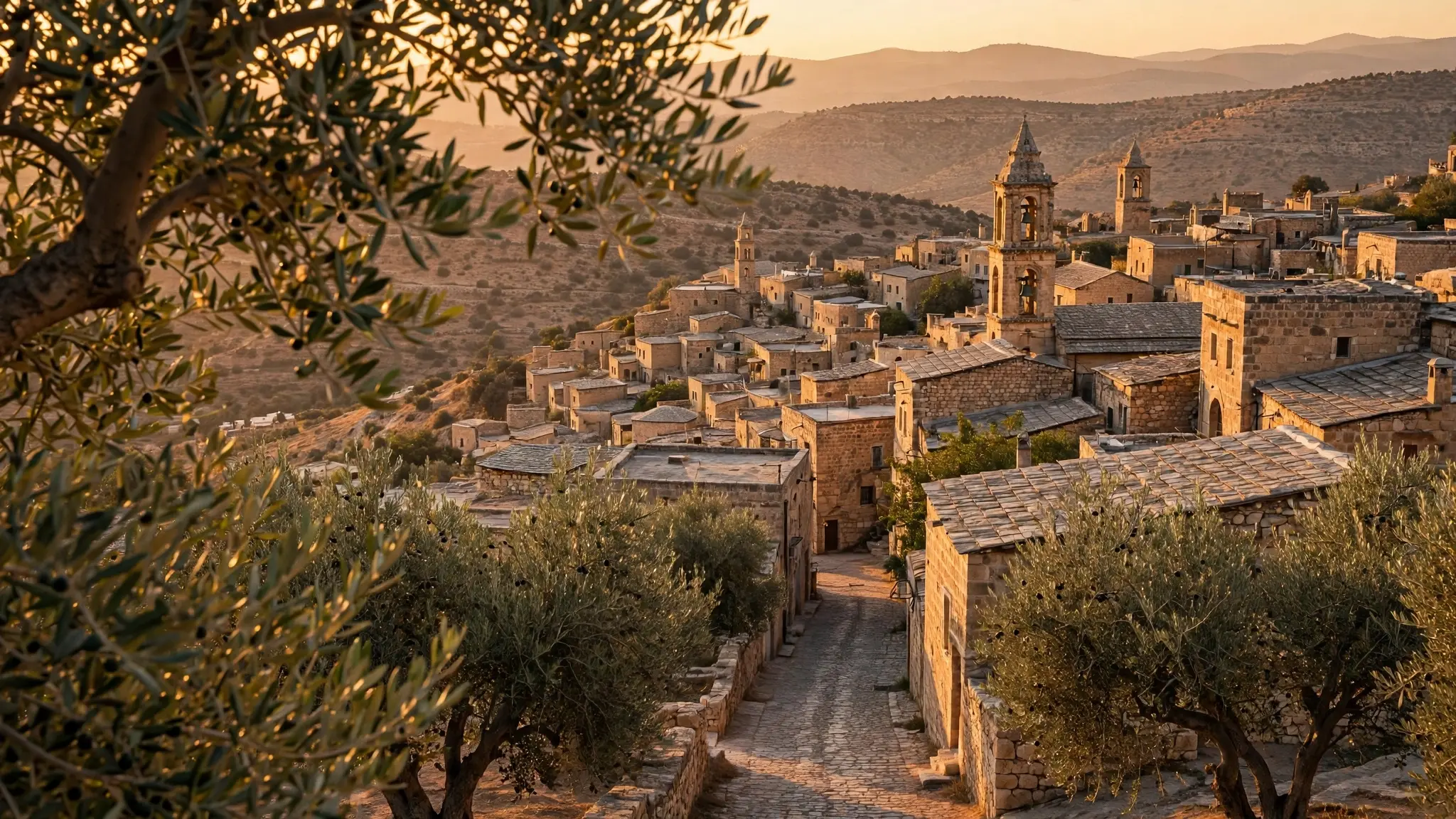
The Church of the Holy Sepulchre was almost empty. That was what struck Mae Elise Cannon when she visited Jerusalem after nearly five weeks travelling in the Middle East, she writes in Religion News Service, because on earlier visits the church had been crowded with pilgrims. The empty pews stayed with her, and they frame the warning she now carries home.
The warning came in a declaration issued in Assisi, Italy, on 29 October 2026, in commemoration of the Global Day of Prayer for Peace. Religion News Service published Cannon's commentary on 3 November 2026, and the dates matter: 29 October is the declaration, 3 November the commentary. Cannon leads Churches for Middle East Peace, the group that organised the declaration, and Religion News Service notes that the views in the commentary do not necessarily reflect its own.
The declaration was signed by more than 200 bishops and executive leaders from many denominations, representing more than 25 countries, Religion News Service reports. Named signatories include Bishop Mariann Edgar Budde of Washington, Archbishop Vicken Aykazian of the Armenian Church of America, César García of the Mennonite World Conference, and Cannon herself. No cardinal is named in either opened source, and none is named here.
Global Christian Declaration Assisi Middle East Christians Warning
The declaration's warning is quoted here in its own words, kept short. “Ancient churches that have borne witness to Christ for nearly two thousand years are shrinking as families emigrate in search of safety, stability, and a less uncertain future.” It continues: “If these trends continue, the birthplace of Christianity risks becoming a place where Christians remain only as visitors rather than living communities rooted in their historic homeland.”
“We must act now, or Christians may all but disappear from the Middle East,” the declaration says. That is a warning about a risk if trends continue, not a prediction that Christians will vanish by any date, and no date is given here. The declaration adds: “The diminishing presence of Christians in the Middle East is not simply a Christian concern.”
Gaza gives the warning its sharpest number. The Christian community there now numbers around 500 out of an overall population of more than 2 million Palestinians, the declaration says, a figure repeated in Religion News Service. It is not an independently counted census figure.
The West Bank figures need the same care. Christians were about 6 percent when Israel first occupied the West Bank in 1967 and roughly 1 percent today, Religion News Service reports, citing NBC News. More than 200 Christian families have emigrated from the West Bank alone since October 2023, according to one pastor there, Religion News Service reports, citing Arab News, and the pastor is not named in the opened text.
Taybeh Settlers Attacks and Lebanon Syria Christians
The declaration names the historic Christian town of Taybeh and says escalating settler attacks, enabled and supported by the Israeli military, against communities, homes, farms and places of worship are alarming. That is the declaration's characterisation, not an established finding. Cannon writes that families in Taybeh face growing uncertainty about whether they can remain on their land.
The declaration's wider scope reaches beyond Israel and Palestine to Lebanon, Iran, Syria and Iraq, with concern also expressed for Armenia. It points to Lebanon's overlapping political, economic and security crises, compounded by Israel's ongoing military operations and occupation in parts of southern Lebanon, as accelerating Christian emigration and displacement. In Syria, it says ancient communities are struggling after more than a decade of devastating war and unilateral United States economic sanctions.
Thousands of Christians are among the nearly 1 million Lebanese displaced by Israeli bombing and the clashes between Israel and Hezbollah, Religion News Service reports, citing NBC News. The figure stays attributed here. The declaration also calls for a shared Jerusalem with freedom of worship, unhindered humanitarian assistance, protection of places of worship, and accountability, and it says the Church does not seek privilege for Christians.
Cannon's account is presented as her account, not as a verified crowd count. She spent nearly five weeks travelling in the Middle East during the past two months, including the occupied Palestinian territories, Religion News Service reports. She attended the Assisi gathering where thousands of worshippers gathered to mark the 40th anniversary of the Global Day of Prayer for Peace, launched by Pope John Paul II in Assisi in 1986.
None of this occured in a single week, and none of it arrived as one headline. Cannon describes a slow draining away, family by family, until a church once filled with pilgrims feels almost empty. That slow picture is why the declaration speaks of trends, and why it asks readers to act before a living community becomes only a memory.
Related reporting: Settlers Attack Christian Village Taybeh During Olive Harvest: Church Leaders Condemn, Syria Christian Village Attacked: Suqaylabiyah Hit Second Time in Six Months, Syria Christians Down More Than 80 Percent Since 2011 as Middle East Churches Face Uncertain Future, and Pope Leo XIV Says There Is No Such Thing as a Holy War at Assisi Peace Meeting.
A cover letter from Churches for Middle East Peace was also sent to the Administration of President Donald Trump, with no reply or outcome stated in the opened sources. Cannon's question was not only about numbers, but about who will still pray in these places in ten years. The declaration answers with a warning and a plea, and the months ahead will show whether churches far from the Middle East hear it as their own concern, or let it pass as someone else's news.
Frequently Asked Questions
A declaration issued in Assisi on 29 October 2026, calling for equality, peace and justice and warning about the future of Christianity in the Middle East, organised by Churches for Middle East Peace.
More than 200 bishops and executive leaders from many denominations, representing more than 25 countries, Religion News Service reports. No cardinal is named in the opened sources, and no precise total beyond over 200 is claimed.
Around 500, out of more than 2 million Palestinians, according to the declaration text. The figure is attributed to the declaration, not presented as an independently counted census.
No. It is commentary by Mae Elise Cannon, who leads Churches for Middle East Peace, the group that organised the declaration. Religion News Service notes the views do not necessarily reflect its own, and this article identifies the piece as her commentary throughout.
From Cannon's commentary in Religion News Service, 3 November 2026, and the declaration text on the Churches for Middle East Peace page. Every statistic stays attributed.
🔔 Don't Miss the Next Story!
Get breaking Christian news on your phone before everyone else — allow notifications when prompted, or join our newsletter below!
But the most surprising part of this story is yet to come — keep reading.
🙏 Have a Testimony to Share?
Has God done something amazing in your life? Or want us to cover a specific story? Send your testimony or story request via WhatsApp — your story could encourage thousands!
💬 Comments
Share your thoughts below. Be kind and respectful. If this story touched you, let us know in the comments!