Settlers Attack Christian Village Taybeh During Olive Harvest: Church Leaders Condemn
A 78-year-old French mayor, kicked to the ground. Diplomats from three countries, assaulted. A photographer's ribs, broken.
On Saturday, October 17, masked Israeli settlers attacked Palestinian farmers and a European diplomatic delegation during the olive harvest in Taybeh — one of the last remaining Christian villages in the West Bank, northeast of Ramallah. On October 20, the Patriarchs and Heads of Churches in Jerusalem condemned the "wild and heinous" attack, warning it was "not an isolated incident" and blaming the impunity enjoyed by the attackers.
The assault on Taybeh was not the week's only violence. A day earlier, on October 16, settlers beat Washington Post photographer Heidi Levine, 63, for more than ten minutes — she suffered broken ribs and needed hand surgery. Nine of ten suspects detained over the attacks were later released by an Israeli court. For the Christians of Taybeh, the message of the week was unmistakable: even the harvest is not safe.
What Happened in Taybeh on October 17
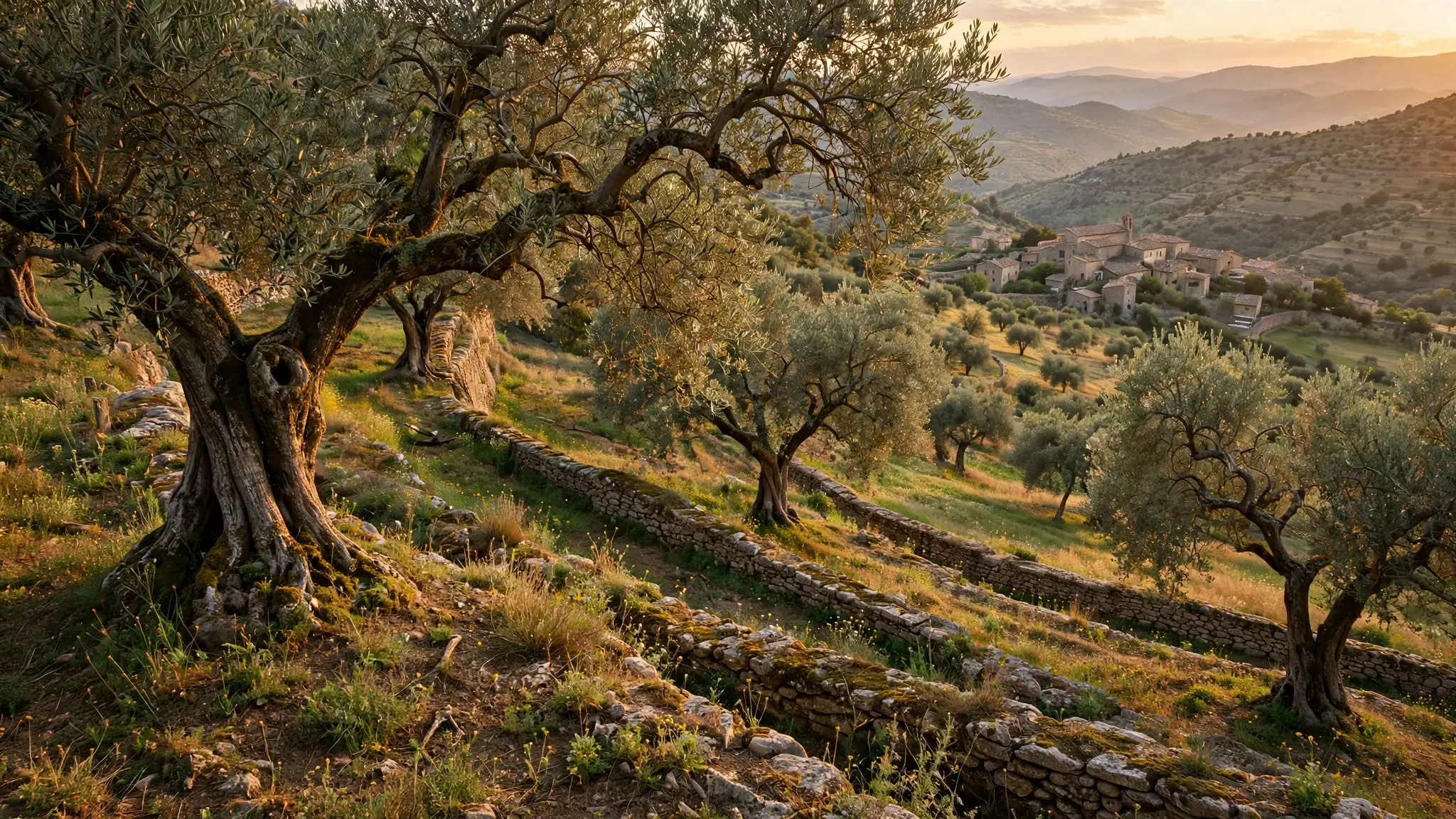
The olive harvest is the most important season of the year in the West Bank — weeks when families gather the crop that sustains them, on terraces their ancestors farmed for centuries. In Taybeh, a village whose Christian roots run to biblical times, this year's harvest became a scene of violence.
Masked settlers ambushed the harvesters and the European delegation accompanying them. Among those assaulted was Bernard Baudoux, 78, the mayor of the French commune of Aulnoye-Aymeries, who had traveled to stand in solidarity with the Christian farmers. Baudoux told Reuters he was "violently attacked" and thrown to the ground — a 78-year-old elected official, kicked by masked youths, for picking olives with Christians.
Diplomats from Belgium, Poland, and France were caught in the assault, along with church representatives. The attackers smashed the window of a Belgian consulate car. The presence of European diplomats was supposed to deter violence. It did not. If anything, the attack's brazenness — carried out in front of foreign officials — showed how little the attackers feared consequences.
"Unfortunately, the facts on the ground show that these attacks continue because of the impunity enjoyed by those who commit them." — Patriarchs and Heads of Churches in Jerusalem
The Church Leaders Speak: "Not an Isolated Incident"
The statement from the Patriarchs and Heads of Churches in Jerusalem, issued October 20, pulled no punches. The church leaders called the Taybeh attack "wild and heinous" and insisted it was "not an isolated incident" — part of a pattern of violence against Palestinian communities, including Christian ones, that continues because perpetrators face no real accountability.
The numbers behind that claim are staggering. The Palestinian Wall and Settlement Resistance Commission has documented 14,742 settler attacks across the West Bank in three years. The Palestine News Agency counted 647 attacks since late September alone. In three years, 98,000 olive trees have been damaged, and the Palestinian Ministry of Agriculture puts farmer losses at $66 million. These are not incidents. They are a campaign.
The church leaders also condemned a religious ruling by hardline Rabbi Dov Lior permitting Jews to take Palestinians' olives, calling it "dangerous and absolutely unacceptable." When religious authority is invoked to bless the theft of a harvest, the church leaders argued, violence stops being random and starts being sanctioned.
Heidi Levine: Ten Minutes of Beating, Broken Ribs
The day before Taybeh, the violence found another target: Heidi Levine, 63, a photographer for the Washington Post, beaten by settlers for more than ten minutes. She suffered broken ribs and required hand surgery. A journalist, doing her job, nearly beaten to death in front of witnesses.
Levine's beating matters for Taybeh's story because it establishes the pattern the church leaders described. This was not a misunderstanding at a harvest. It was a week in which masked men beat a 63-year-old photographer until her ribs broke, then attacked a Christian village's harvest the next day in front of European diplomats — a week that shows how little the attackers feared consequenses, with nine of ten suspects walking free from court.
Sarit Michaeli, formerly the international advocacy director of B'Tselem, told Al Jazeera: "Settlers are stealing the Palestinian olive crop on a vast scale, never seen before in my 22-year history of working on this issue." Twenty-two years of documentation, and this harvest season is the worst she has seen. The olive trees — some of them centuries old, symbols of peace across the region — are being stripped by the very people who claim the land.
Taybeh: One of the Last Christian Villages
To understand why this attack matters beyond the West Bank, you have to understand Taybeh. It is one of the last remaining Christian villages in the West Bank — a community whose faith stretches back to the earliest centuries of Christianity, holding on in a land where Christians are being squeezed from every side.
The Christian presence in the Holy Land has been shrinking for decades — emigration driven by conflict, economic pressure, and insecurity. Every attack on a place like Taybeh accelerates that exodus. When farmers cannot safely harvest their olives, when a 78-year-old mayor gets thrown to the ground for standing with them, the message to young Christians is clear: there is no future here.
That is why the Patriarchs spoke. The church leaders of Jerusalem do not issue statements lightly. When they call an attack "wild and heinous" and blame impunity, they are saying what the numbers say: that the system is not failing to stop the violence, but permitting it. Nine of ten suspects released. The harvest stolen. The village afraid.
The World's Response — and What Comes Next
The international reaction has been unusually sharp. US Secretary of State Marco Rubio said Washington was "very disturbed" by the attacks. European governments whose diplomats were assaulted have protested. The church leaders' statement has circulated worldwide. But statements are not protection, and Taybeh's farmers know it.
The olive harvest continues — it must, because the crop will not wait. But it continues under the shadow of what happened on October 17, and under the knowledge that the men who did it are free. The 98,000 damaged trees will not bear fruit this year. The $66 million in losses will not be repaid. And the question hanging over Taybeh is whether next year's harvest will happen at all — or whether the village's Christians will join the long exodus out of the Holy Land.
Bernard Baudoux, the 78-year-old mayor, went home to France with his story. Heidi Levine is recovering from surgery. The diplomats filed their reports. But the farmers of Taybeh are still there, still Christian, still harvesting — for now. Whether the world does more than issue statements will decide if villages like Taybeh survive. The olives are still on the trees. The question is who gets to pick them — and whether the Christians who planted them will still be there to try.
Frequently Asked Questions
Masked Israeli settlers attacked Palestinian farmers and a European diplomatic delegation during the olive harvest in Taybeh, one of the last Christian villages in the West Bank. Bernard Baudoux, 78, the French mayor of Aulnoye-Aymeries, was violently attacked and thrown to the ground; diplomats from Belgium, Poland, and France were assaulted; a Belgian consulate car window was smashed.
On October 20, the Patriarchs and Heads of Churches in Jerusalem condemned the "wild and heinous" attack, warning it was "not an isolated incident" and blaming the impunity enjoyed by attackers. They also condemned a ruling by Rabbi Dov Lior permitting the taking of Palestinians' olives as "dangerous and absolutely unacceptable."
Heidi Levine, 63, is a Washington Post photographer who was beaten by settlers for more than ten minutes on October 16, a day before the Taybeh attack. She suffered broken ribs and required hand surgery.
Taybeh is one of the last remaining Christian villages in the West Bank, with Christian roots stretching back to biblical times. Attacks on villages like Taybeh accelerate the exodus of Christians from the Holy Land, where the Christian presence has been shrinking for decades.
Read about Nigeria's persecution crisis in Latest: Christian Mother Jailed 14 Years in Nigeria for Sharing Her Faith and Christians Killed in Nigeria Today: 7,500 Deaths Reported Across Africa in 2026. For Christians attacked in the Middle East, see Gunmen Attack Christian Town in Syria; Priest Narrowly Escapes Bullets.
🔔 Don't Miss the Next Story!
Get breaking Christian news on your phone before everyone else — allow notifications when prompted, or join our newsletter below!
But the most surprising part of this story is yet to come — keep reading.
🙏 Have a Testimony to Share?
Has God done something amazing in your life? Or want us to cover a specific story? Send your testimony or story request via WhatsApp — your story could encourage thousands!
💬 Comments
Share your thoughts below. Be kind and respectful. If this story touched you, let us know in the comments!