30,000 Posters Across Germany Invite People Back to Church in Bibel TV Campaign
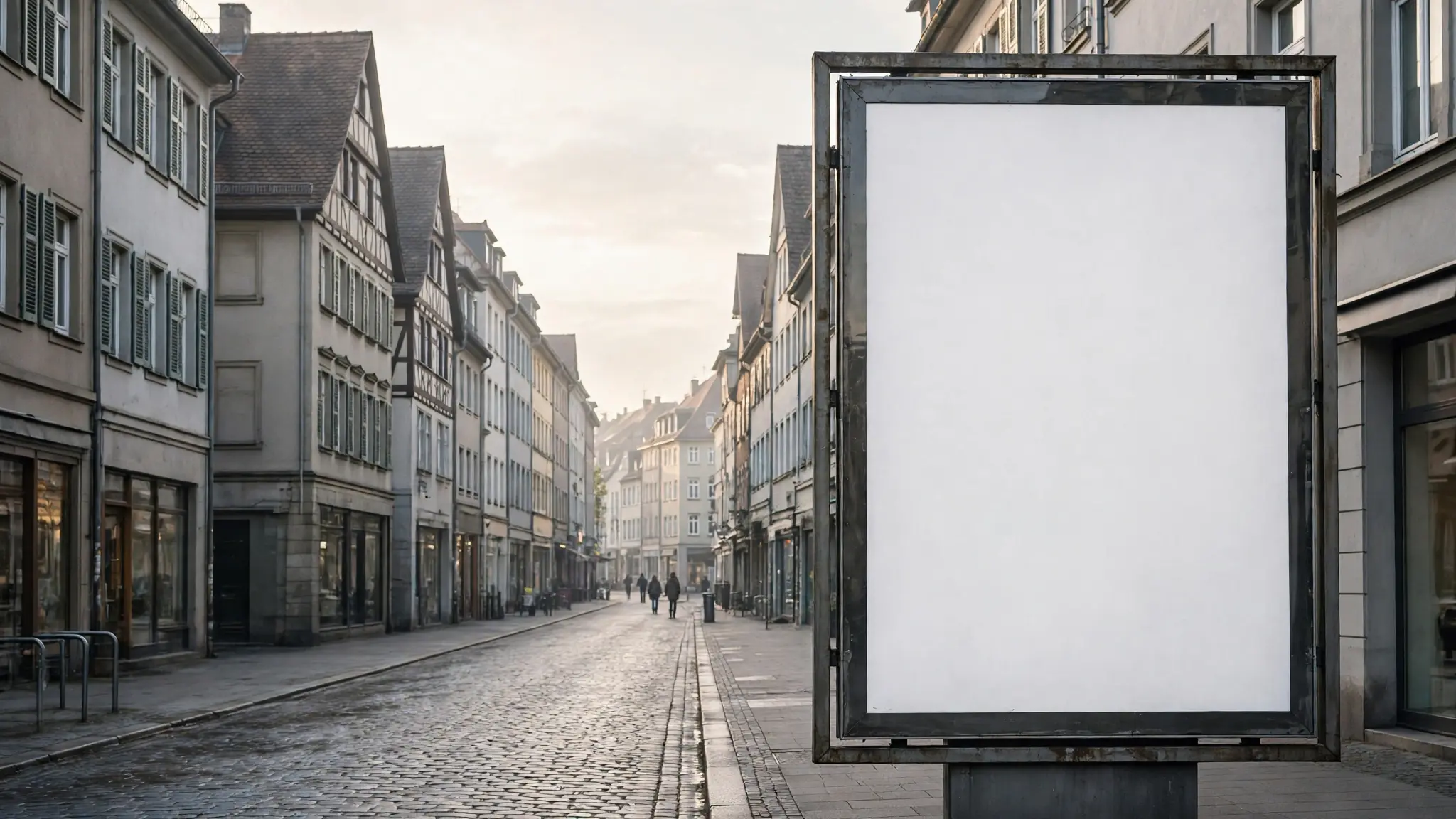
Picture a morning commute, a poster at the tram stop, and a question aimed straight at the person waiting there. Is there anyone out there who likes me for who I am? That is one of the questions on 30,000 large-scale posters now appearing across Germany, in major cities and smaller communities alike, according to Evangelical Focus.
The campaign is called Die Erinnerung 2026, or The Memory 2026, and it has been launched by Bibel TV (Bible TV) to draw public attention to the question of God and faith, as reported by Evangelical Focus on October 30-31, 2026. The posters are not selling a product. They end with the same invitation on every one: More at your church and on Bibel TV.
Other poster questions reported by Evangelical Focus include Someone is very excited about you and How can you find love? The wording is deliberatly personal, aimed at people who may not have set foot in a church for years, or who never have. The campaign wants the question, not the answer, to be the thing people carry home.
30,000 Posters: What the Campaign Is Asking Germany
Evangelical Focus reports 30,000 large-scale posters in major cities and smaller communities. The campaign's own material site, jemand-da.de, likewise states 30,000 Grossflaechenplakate, or large-format posters, plus accompanying online content. This article uses only that 30,000 figure, which both opened sources agree on.
Kai-Marcus Thaesler, managing director of the Outdoor Advertising Association, is quoted by Evangelical Focus on the scale of the effort.
With this campaign, 30,000 large-scale posters in both major cities and smaller communities ensure that every citizen has a chance to see the message.
That is a bold claim about reach, and it is Thaesler's claim, reported by Evangelical Focus. What can be verified from the two opened sources is the number itself and the spread: big cities and small towns, not one or the other.
According to the promoters quoted by Evangelical Focus, the aim is to remind as many people in Germany as possible about the question of God and to invite them to take a first, or new, step into a local church, expressly as a service to all Christian denominations and congregations. The same promoters say God should be a topic of conversation again.
How the Posters Were Chosen
The campaign site says months of market research and tests of over 48 texts led to the chosen poster messages, aimed at people distant from church. That detail matters because it explains the tone: these are not church notices written for people already inside. They were tested, in the campaign's own account, on the people the campaign most wants to reach.
Matthias Brender, head of Bibel TV, is quoted by Evangelical Focus inviting all Christians and congregations to use the campaign as a starting point for conversation. The invitation is practical as well as spiritual, because the campaign is built to be picked up locally, not just watched from a distance.
Alongside the posters, targeted online advertisements for social media and traditional media, flyers and postcards were released, according to Evangelical Focus. Bibel TV is also providing digital templates for posters, flyers and advertisements that churches can adapt locally, so a congregation can take the national question and make it its own.
Who Paid for It, and Who Runs Bibel TV
The campaign site says the action is fully donation-financed by over 6,000 Christians from different denominations and organised by the ecumenical, non-profit Bibel TV Stiftung gGmbH. Evangelical Focus reports Bibel TV describes itself as a Christian ecumenical media company largely financed by donations, a non-profit limited liability company with 16 shareholders including the Catholic and Protestant churches in Germany, each with a 12.75% stake.
That ecumenical footing is part of the point. The campaign is presented as a service to all Christian denominations and congregations, not as a recruitment drive for one church. Whether a poster on a German street can do that work depends on what happens after someone reads it, and that part belongs to the local church, not to the billboard.
Readers can find related coverage in the worship night where nearly 600 students turned to Christ in Alabama, in the Pastor Lazarus Muoka miracle crusade in Uyo, and in the Lilly Endowment opening $300 million for campus ministries. The question behind each of those stories is close to the one on the German posters: what makes someone take a first step back toward faith, and who is waiting to welcome them when they do?
Will a Question on a Poster Become a Conversation?
The campaign does not promise conversions, attendance figures, or a date by which Germany will be talking about God again. No campaign run dates were verified in the sources consulted, and this article does not assert any. What is verified is the scale, the questions, the invitation, and the local templates waiting to be used.
Will a commuter who reads Is there anyone out there who likes me for who I am? actually walk into a church, will a congregation pick up the templates and start the conversation Brender is inviting, and will 30,000 posters add up to something a single poster never could? The answers will show up quietly, in church doors and coffee mornings and conversations that never make a headline, and that may be exactly where this campaign expects to find them.
Frequently Asked Questions
Evangelical Focus reports 30,000 large-scale posters in major cities and smaller communities, and the campaign's material site likewise states 30,000 large-format posters plus accompanying online content.
The campaign is called Die Erinnerung 2026, or The Memory 2026. It was launched by Bibel TV (Bible TV) to draw public attention to the question of God and faith, according to Evangelical Focus.
The posters feature questions such as Someone is very excited about you, How can you find love? and Is there anyone out there who likes me for who I am?, and all end with the slogan More at your church and on Bibel TV, as reported by Evangelical Focus.
The campaign site says the action is fully donation-financed by over 6,000 Christians from different denominations and organised by the ecumenical, non-profit Bibel TV Stiftung gGmbH.
Yes. Evangelical Focus reports Bibel TV is providing digital templates for posters, flyers and advertisements that churches can adapt locally, alongside targeted online advertisements, flyers and postcards.
🔔 Don't Miss the Next Story!
Get breaking Christian news on your phone before everyone else — allow notifications when prompted, or join our newsletter below!
But the most surprising part of this story is yet to come — keep reading.
🙏 Have a Testimony to Share?
Has God done something amazing in your life? Or want us to cover a specific story? Send your testimony or story request via WhatsApp — your story could encourage thousands!
💬 Comments
Share your thoughts below. Be kind and respectful. If this story touched you, let us know in the comments!