Adeboye Ordered Billions Refunded in 24 Hours
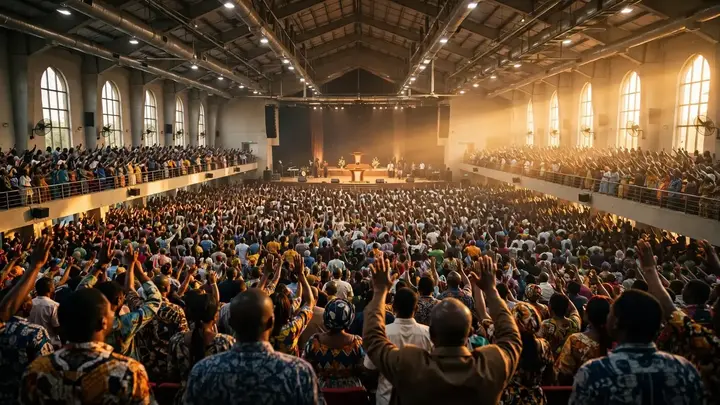
Pastor Enoch Adeboye, General Overseer of the Redeemed Christian Church of God (RCCG), ordered billions of naira in donations refunded within 24 hours after investigators traced the money to proceeds of financial crime. The revelation came from Ola Olukoyede, chairman of Nigeria's Economic and Financial Crimes Commission (EFCC), while he addressed RCCG workers in the early hours of Saturday, 7 November, ahead of the church's annual Holy Ghost Congress.
It is the kind of story that stops a room. A church receives a gift worth billions, and then learns the money is dirty. Most institutions would find a reason to keep it, but Adeboye gave it back in a single day.
Adeboye Ordered Billions Refunded After EFCC Alert
Olukoyede told the workers that a church member had donated billions of naira toward an RCCG project, and that EFCC investigations later showed the funds were proceeds of financial crime. As soon as the church was told where the money had come from, Adeboye directed that the entire donation be returned within 24 hours.
The EFCC chairman did not name the donor, identify the project or give the exact amount, saying only that the sum ran into billions of naira. He also said the individual behind the donation was involved in financial dealings worth tens of billions of naira, some of which the commission traced to RCCG projects.
Olukoyede praised Adeboye for acting at once instead of allowing the church to hold on to funds linked to illegal activity. He described the decision as an example of integrity and responsible leadership, and warned other churches that they should not serve as custodians of the proceeds of crime.
RCCG Will Not Shield Workers in Financial Misconduct
Adeboye had invited Olukoyede to address the workers on financial propriety, accountability and the importance of keeping transparent financial records in religious institutions. The meeting was organised to prepare workers for the Holy Ghost Congress, the RCCG's biggest annual gathering.
Addressing the workers, Adeboye reiterated that the RCCG would not protect any pastor or worker found involved in financial misconduct. The message was plain: no title, no seniority and no years of service would shield anyone who handled church money dishonestly.
Olukoyede, who is himself an ordained pastor in the RCCG, added a detail that sharpened the point. He said he had once authorised the detention of a senior pastor of the church over alleged financial crimes committed in the cleric's secular workplace. The law, he made clear, does not stop at the church door.
The warning was aimed squarely at the people in the room: the money will be checked, and the excuses will not hold.
Why the Adeboye Refund Matters for Nigerian Churches
Nigeria's churches handle enormous sums of money, and the question of where that money comes from has hung over them for years. Donations arrive from businessmen, politicians and public officials, and congregations rarely ask what lies behind a generous gift. The Adeboye refund breaks that silence in a way no sermon could.
A refund of billions is not a small gesture. It is a public statement that the church would rather lose the money than keep the stain, and it sets a standard every other large church in the country will now be measured against. The next time a suspicious donation lands in a church account, someone will ask what Adeboye did, and gospel music is also reaching new heights in Nigeria, as reported in Greatman Takit, Bassey Hold No. 1 With You Are Good, and new worship music is pouring out of the country too, as covered in Victoria Orenze Releases I Believe to Close Just Believe.
The story also lands in a country where Christians are facing severe pressure on other fronts, as reported in Bishop Anagbe: Nigeria Lacks Will to End Benue Attacks, and where a Christian farmer was recently killed in a raid, as covered in Christian Farmer Ezechi Ekenechukwu Killed in Enugu Raid. In that context, a story about a church choosing integrity over money carries a weight that goes beyond the naira involved. Christians under pressure elsewhere face the same test of trust, as reported in Lebanon Christians Face Rising Hostility as Divisions Deepen.
Christian groups have also been organising to defend believers under attack, as reported in Christian Solidarity International Launches Under Siege Campaign for Nigeria Christians, and the same logic applies here. A church that cannot be trusted with money cannot be trusted with people, and Adeboye's decision speaks to both.
What Happens Next for RCCG and the EFCC Warning
The Holy Ghost Congress will go ahead with its workers now carrying a clear instruction: keep clean records, ask where the money comes from, and expect the EFCC to be watching. Olukoyede's message was not a one-off speech but a warning that the commission's interest in church finances is not going away.
For the donor, the story is not over either. The EFCC has not named the person or said what charges, if any, may follow, and the investigation into the wider dealings worth tens of billions of naira continues. The refund settles the church's part of the matter, not the donor's.
For Nigeria's churches, the question now is whether Adeboye's example spreads or stays a single story. A refund made in 24 hours is easy to praise and hard to copy, because it costs real money. But the churches that copy it will be the ones that can look their congregations in the eye, and that, in the end, may be worth more than billions.
Frequently Asked Questions
He ordered the refund of billions of naira donated to an RCCG project after the EFCC traced the funds to proceeds of financial crime. The donor's identity, the project and the exact amount were not disclosed.
Within 24 hours. EFCC chairman Ola Olukoyede said Adeboye directed the immediate return of the entire donation as soon as the church was told the money came from an unlawful source.
Olukoyede revealed it while addressing RCCG workers in the early hours of Saturday, 7 November 2026, at a meeting ahead of the church's annual Holy Ghost Congress. Adeboye had invited him to speak on financial propriety and accountability.
He reiterated that the RCCG would not shield any pastor or worker found involved in financial misconduct, and stressed transparency and proper financial records in the church.
Yes. The EFCC chairman is also an ordained pastor in the RCCG. He said he once authorised the detention of a senior RCCG pastor over alleged financial crimes in the cleric's secular workplace.
🔔 Don't Miss the Next Story!
Get breaking Christian news on your phone before everyone else — allow notifications when prompted, or join our newsletter below!
But the most surprising part of this story is yet to come — keep reading.
🙏 Have a Testimony to Share?
Has God done something amazing in your life? Or want us to cover a specific story? Send your testimony or story request via WhatsApp — your story could encourage thousands!
💬 Comments
Share your thoughts below. Be kind and respectful. If this story touched you, let us know in the comments!