Catholic and Evangelical Leaders Call for Compassionate Immigration Reform
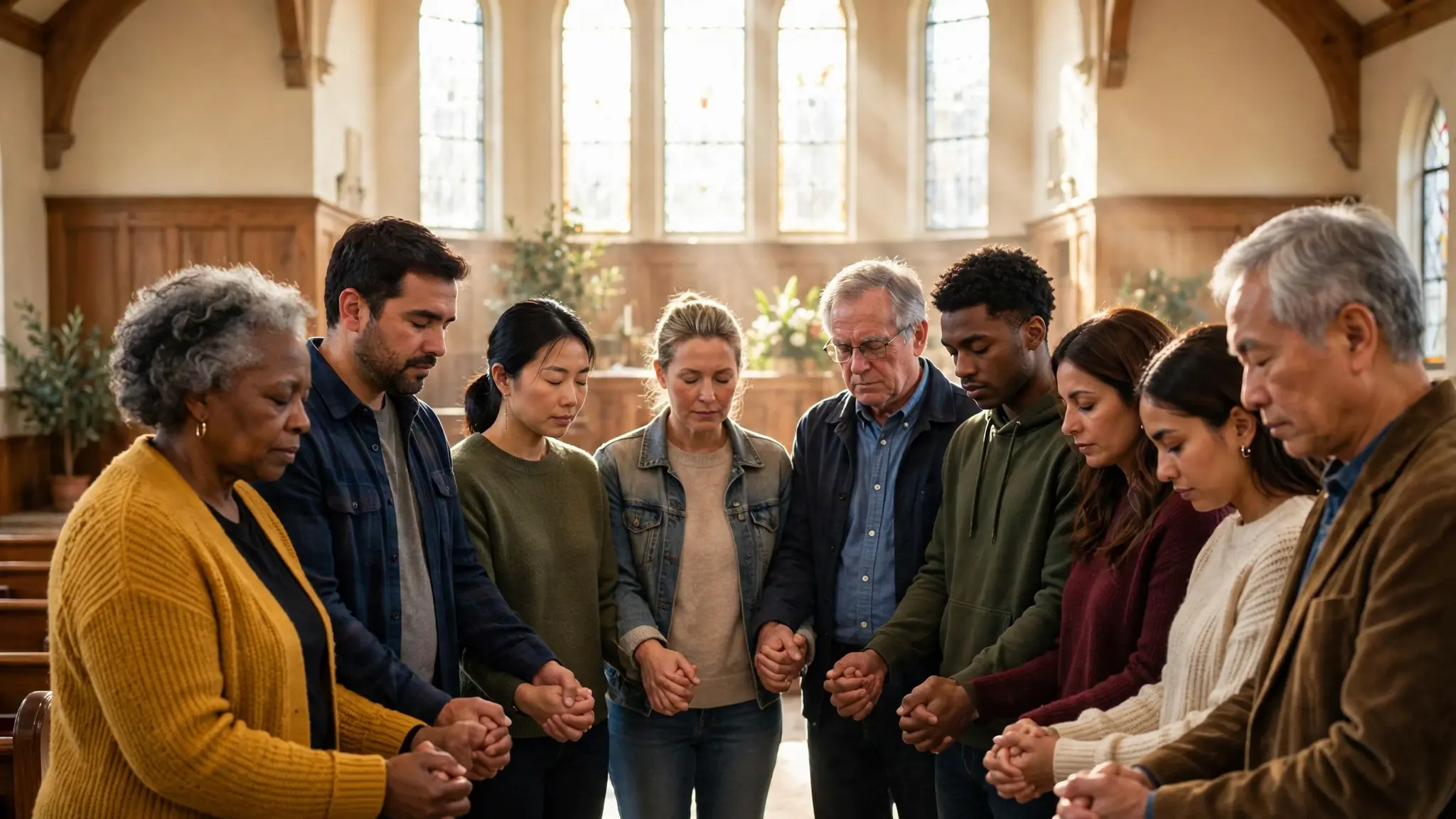
For the first time in American history, the men at the top of the Catholic and evangelical worlds signed the same letter about immigration.
On October 13, 2026, Bishop Brendan Cahill, chairman of the US Conference of Catholic Bishops' Committee on Migration, and Rev. Walter Kim, president of the National Association of Evangelicals, released "A Call for Christian Compassion and Wisdom in the Immigration Debate." The two men serve as co-chairs of the Evangelical-Catholic Dialogue on Immigration, a group set up in March 2026 with five Catholic and five evangelical members.
The statement landed in the middle of a sharp rise in detentions and deportations across the United States, after the government revoked legal protections for several immigrant groups. Its authors say the fallout is landing hardest on mixed-status families, where some members face the threat of separation from the rest.
Catholic Evangelical Immigration Statement 2026: What Did Cahill and Kim Actually Say?
The five-page document sets out three shared principles: human dignity, the protection of the family, and the proper role of government. Every human being is "created with dignity, bearing God's image," the leaders wrote, and government is responsible for protecting citizens and providing for the common good, including reasonable immigration policies.
From those principles come concrete asks: targeted, humane border enforcement, clear legal pathways to citizenship, and real effort to prevent the separation of families. The statement also flags risks to religious liberty raised by some enforcement practices, a point several Catholic bishops had already been making on their own for months.
"There is much that can be done to avoid the rupturing of our families and communities brought about by indiscriminate and aggressive enforcement actions."
Cahill and Kim were frank that they do not agree on everything. "Although we have doctrinal differences," they wrote, they are "united in our conviction that God calls us to stand both with our fellow Americans who are experiencing economic and cultural anxieties and with our immigrant neighbors who are facing existential challenges." That sentence is the whole gamble of the letter: two traditions that often talk past each other, speaking with one voice.
Why This Joint Immigration Statement Matters for Immigrant Families in Churches
Individual Catholic bishops have been releasing statements of solidarity with migrant communities for months, as the Tablet reported this week. What makes this one different is the signature block. News reports describe it as the first statement on immigration in US history jointly issued by senior leaders of the Catholic and evangelical traditions, and both men framed it as an act of conviction offered "with both conviction and hope."
The human stakes are not abstract. Across the country, congregations are watching families in their own pews live with the fear that a knock on the door could split them apart. That fear is familiar to the Haitian Christians who walked 40 miles in Ohio in prayer ahead of Reformation Sunday, and it sits behind the wider question Jonathan Falwell raised this month about where America's hope really lies.
The statement also speaks to Americans on the other side of the argument. It affirms that government has a duty to secure borders and protect citizens, and it stands with fellow Americans feeling economic and cultural anxiety.
Catholic leadership has been prominent elsewhere this week too, with Pope Leo XIV's visit to Uruguay drawing large crowds. Compassion, in this telling, is not the opposite of order. It is the shape order should take.
What Happens Next in the US Immigration Debate?
Reports on the statement say its authors urged Congress to widen legal pathways for longtime immigrant residents while affirming border security. Whether lawmakers take that up is another question, and the answer will definately shape how churches talk about this issue in the months ahead.
For now, the letter stands as a marker: two old rivals in American Christianity, agreeing in public that families should not be the price of enforcement. The letter is signed, the principles are printed, and the question now is which pews — and which politicians — will treat it as a call to act rather than a document to file away.
Frequently Asked Questions
The statement, "A Call for Christian Compassion and Wisdom in the Immigration Debate," was released on October 13, 2026, by Bishop Brendan Cahill and Rev. Walter Kim (USCCB; Vatican News; OSV News).
Bishop Brendan Cahill, chairman of the US Conference of Catholic Bishops' Committee on Migration, and Rev. Walter Kim, president of the National Association of Evangelicals. Both co-chair the Evangelical-Catholic Dialogue on Immigration, formed in March 2026 with five Catholic and five evangelical members.
Reports describe it as the first statement on immigration in US history jointly issued by senior leaders of the Catholic and evangelical traditions. Individual bishops had spoken out before, but never together with evangelical leadership in this form.
It calls for targeted, humane border enforcement, clear legal pathways to citizenship, and efforts to prevent family separation, grounded in three principles: human dignity, protection of the family, and the proper role of government.
Its authors point to a significant increase in reported detentions and deportations, especially after legal protections were revoked for several immigrant groups, bringing hardship to mixed-status families facing separation.
🔔 Don't Miss the Next Story!
Get breaking Christian news on your phone before everyone else — allow notifications when prompted, or join our newsletter below!
But the most surprising part of this story is yet to come — keep reading.
🙏 Have a Testimony to Share?
Has God done something amazing in your life? Or want us to cover a specific story? Send your testimony or story request via WhatsApp — your story could encourage thousands!
💬 Comments
Share your thoughts below. Be kind and respectful. If this story touched you, let us know in the comments!