Felicity Mitchell to Lead Church of England Safeguarding
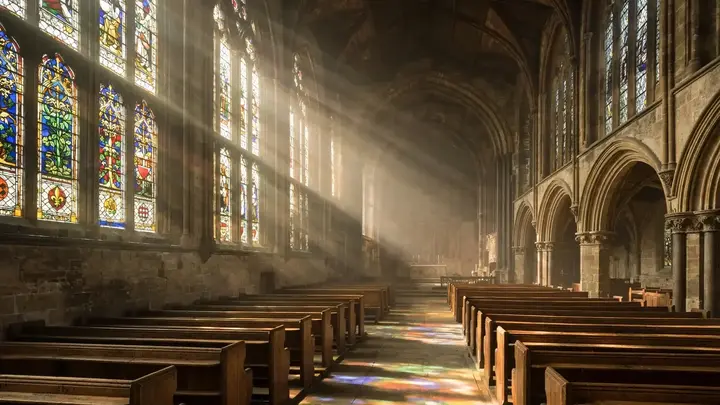
On Monday 9 November 2026, the Archbishops' Council appointed Felicity Mitchell as Interim Non-Executive Chair of the Church of England's Safeguarding Structures Programme Board, putting a veteran ombudsman at the head of the next phase of the Church's safeguarding reforms. At the same time, the Council approved the national rollout of a new unified safeguarding complaints process, a change that survivors and campaigners have sought for years.
Mitchell succeeds Dame Christine Ryan, whose strategic vision for safeguarding reform, presented to General Synod in February 2026, formed the basis of the development work over the past 12 months. The task now is to turn that vision into working structures.
Who Is Felicity Mitchell?
Mitchell is a qualified barrister who has worked for many years in the ombuds sector. She is currently an independent consultant working mainly in that field. From 2018 to 2023 she was Independent Adjudicator for Higher Education at the Office of the Independent Adjudicator, the ombuds scheme for higher education students in England and Wales, where she led case-handling and outreach.
She joined the Church of England Safeguarding Structures Programme in July 2025 and joined the Programme Board later that year. She has co-chaired the programme's Policy and Assurance Advisory Group, played a central role in supporting the vision for reform, and more recently helped design both a new independent safeguarding authority and the new unified complaints process.
Outside the Church, Mitchell sits on the Public Services Ombudsman for Wales' Advisory Panel, is the Independent Reviewer of Service Complaints for the Housing Ombudsman, and is an external member of the Academic Board of the University of Law. She is an active member of her local parish church and volunteers for a local debt counselling charity.
A New National Complaints Process
The second announcement is the one that will matter most to people who have tried to raise a safeguarding concern and found the system confusing, slow or closed. The new unified safeguarding complaints process brings together a local resolution stage and an end-stage overseen by an independent safeguarding complaints body into a single, unified, national process. Church bodies can take the necessary steps now to voluntarily adopt the process, ahead of the policy becoming mandatory next year through new legislation, subject to General Synod approval.
The change marks a longstanding commitment to alter how safeguarding complaints are made, handled and resolved in the Church. For years, survivors and their advocates have said the system was fragmented, with different dioceses handling complaints differently and no clear independent route when local handling failed.
Chair of the Archbishops' Council, Alison Coulter, said: "The availability of this new safeguarding complaints process is an important development and is one of a number of changes proposed as part of a wider restructuring of Church safeguarding."
Plans for an Independent Safeguarding Authority
At its October meeting, the Archbishops' Council also approved a detailed operating design for new safeguarding structures, including plans for a new independent safeguarding authority to oversee Church safeguarding. Under the design, day-to-day operations of the new authority will be led by a Chief Safeguarding Officer, overseen by a majority-independent Board and Chair.
The design also protects the independence of operational safeguarding decisions, covering casework, risk assessments, scrutiny findings, enforcement action, and clergy disciplinary action. While local church bodies will continue to manage daily safeguarding, the authority will hold powers to inspect them, issue compliance notices, and assess senior clergy risk.
Bishop Joanne Grenfell, an advocate for independent safeguarding and a member of the Programme Board, welcomed the developments. "Confirmation that a new safeguarding complaints process is now available nationally for Church bodies to adopt is significant progress," she said.
The Road Ahead: 2026 to 2028
These developments follow extensive engagement over the last 12 months, including a formal consultation that drew detailed submissions from survivors and church leaders. The reforms come in the wake of the resignation era of former Archbishop of Canterbury Justin Welby, whose departure followed scrutiny of the Church's handling of abuse cases and left safeguarding reform as unfinished business for his successor.
That successor, Sarah Mullally, is the first female Archbishop of Canterbury, and her leadership of the Church in this new era is covered in Sarah Mullally Becomes First Female Archbishop of Canterbury. The safeguarding reforms announced today will be one of the defining tests of her tenure, because they ask the Church to do something it has repeatedly promised and repeatedly failed to deliver: a system in which complaints are handled independently and survivors are believed.
The key milestones are now set out in black and white. In late 2026, the national rollout of a voluntary, unified complaints process begins, including access to an independent safeguarding complaints body. In 2027 comes the legal establisment of the new independent safeguarding authority, leadership appointments, and implementation of initial scrutiny functions. In 2028, there will be a complete transfer of national safeguarding staff and operational functions, underpinned by new legislation.
Implementation will happen in phases and will prioritise stability over speed to protect frontline capacity. This autumn, stakeholders will have opportunities to consider aspects of the detailed operating design, engage with the programme team, and meet the new Interim Chair. That trust cannot be announced into existence. It has to be earned, complaint by complaint, decision by decision, over the next two years, and the people who have waited longest for an independent system will be watching every step, just as they watch how the Church stands with the persecuted, as in Red Week.
Frequently Asked Questions
Felicity Mitchell is a qualified barrister and independent consultant who has worked for many years in the ombuds sector. From 2018 to 2023 she was Independent Adjudicator for Higher Education.
On 9 November 2026 the Archbishops' Council appointed her Interim Non-Executive Chair of the Safeguarding Structures Programme Board, succeeding Dame Christine Ryan, with immediate effect.
It is a single, unified, national process that brings together a local resolution stage and an end-stage overseen by an independent safeguarding complaints body. Church bodies can adopt it voluntarily now, and it becomes mandatory next year through legislation, subject to General Synod approval.
The Archbishops' Council has approved a detailed operating design for a new independent safeguarding authority, led day-to-day by a Chief Safeguarding Officer and overseen by a majority-independent Board and Chair, with powers to inspect church bodies and assess senior clergy risk.
The voluntary rollout begins in late 2026, the authority is established in 2027, and the full transfer of staff and functions is planned for 2028.
🔔 Don't Miss the Next Story!
Get breaking Christian news on your phone before everyone else — allow notifications when prompted, or join our newsletter below!
But the most surprising part of this story is yet to come — keep reading.
🙏 Have a Testimony to Share?
Has God done something amazing in your life? Or want us to cover a specific story? Send your testimony or story request via WhatsApp — your story could encourage thousands!
💬 Comments
Share your thoughts below. Be kind and respectful. If this story touched you, let us know in the comments!