Conversion Bill Could Criminalise Prayer, Church Warns
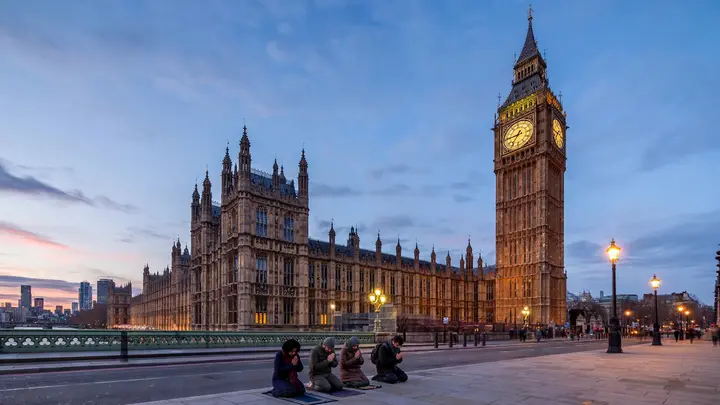
The Church of England has warned that the draft Conversion Practices Bill could unintentionally criminalise prayer and pastoral care, telling The Telegraph that the legislation must protect religious discussion and family conversations while it targets abusive attempts to change a person's sexual orientation or gender identity. The warning came as MPs and peers examine the draft bill in pre-legislative scrutiny, with written evidence open until November 16, 2026.
It is a strange moment for the Church. The same Church that voted in its General Synod in 2017 to ask the government to ban conversion therapy is now telling the government that its draft ban goes too far. The Church still backs a ban in principle, but not a law so wide that an ordinary prayer, offered at someone's own request, could end up in front of the police.
The draft bill, published by the government and applying to England and Wales, would create a new criminal offence of carrying out an "abusive conversion practice", punishable by up to five years in prison, a fine, or both. Ministers say prayer would only be caught if it were abusive. The Church, and a growing chorus of other Christian voices, is not convinced the words on the page say that.
Church of England Conversion Practices Bill warning
A spokesman for the Church of England told The Telegraph that it was important to ensure the legislation does not "unintentionally criminalise providing appropriate prayer and pastoral care to those who seek it". The Church said it would put that concern in its evidence to the joint parliamentary committee carrying out pre-legislative scrutiny, and that the bill "must still allow space for discussion and disagreement". Prayer, the spokesman added, should never be coercive.
The worry is not abstract. The bill defines a "conversion practice" as "any conduct", a phrase that on its face includes prayer and conversations.
Catholic leaders have gone further than the Anglicans. Archbishop John Sherrington of Liverpool, who chairs the social justice department of the Catholic Bishops' Conference of England and Wales, said the bishops recognised the need to protect people from abuse, but called for the legislation to be abandoned altogether.
The Christian Institute, which has campaigned against the draft, warned through its deputy director Simon Calvert that the bill could expose parents' prayers for their children to police investigation. One report of the Church's position put it bluntly: it was "quite clear" the legislation could "criminalise parents praying for their children". The draft would cover parents, meaning a mother or father could in theory risk arrest for asking a child whether they want to change gender.
UK conversion therapy bill 2026: what the draft says
To understand the row, it helps to know what the bill actually does. It targets practices that cause serious harm, alarm or distress, and it creates further offences including encouraging or assisting an abusive conversion practice carried out outside England and Wales, along with conversion practice protection orders.
The government published the draft in June 2026, and it is now going through pre-legislative scrutiny, which means MPs and peers review it and take evidence before it is formally introduced in Parliament. If it passes, it would take effect two months after becoming law.
Nobody in the debate defends the horrors that gave conversion therapy its name. Campaigners on all sides have described gay and lesbian people forced into electric shock treatment, pressured marriages and so-called corrective rape. The argument is about where the line falls after those extremes.
The charity CARE, writing on November 6, pointed out that the draft's wording reaches far beyond them, using vague terms like "alarm" or "distress" and offering no clear safeguards for parents, teachers or religious groups.
The evidence sessions have sharpened the divide. Jayne Ozanne, the gay evangelical Christian who founded the Ban Conversion Therapy coalition, gave oral evidence to the joint committee and argued that praying to change someone's sexuality or gender identity should be labelled abusive.
Pressed on the point, she drew a distinction between criminalisation and prosecution, suggesting a quiet word after "one little prayer". As CARE noted, that distinction is not Parliament's to make. Once something is a crime, it is for the police, prosecutors and the courts to decide what happens next.
Conversion Practices Bill November 2026: who opposes it
The opposition now stretches well beyond church circles. The Telegraph is actively campaigning for the bill to be scrapped, and both the Reform Party and the Conservative Party have come out against it.
Christian Concern, which has urged Christians to submit evidence before the November 16 deadline, paints a stark picture of how the law could work in practice. A church leader teaches from the Bible that same-sex behaviour is wrong, then prays for a church member at that person's own request. Years later, that prayer could be branded controlling and abusive, and the leader could face investigation and a prison sentence of up to five years.
The group concedes that ordinary conversations and prayers do not genuinely cause serious harm, so a successful prosecution looks unlikely, but it argues that investigation itself is the punishment many will fear.
That fear is already shaping behaviour elsewhere. Churches in other parts of the world have pulled back from ordinary ministry when the legal ground shifted beneath them, as covered in Maharashtra Churches Scale Back Bible Camps for Children, and attacks on Christian buildings and gatherings keep reminding believers that their freedom to worship is fragile, as reported in Mother Mary Grotto Vandalised in Bengal's Raidighi Village. The British debate is different in kind, but the instinct it triggers is the same: when the law is unclear, ordinary people grow quiet.
What happens next for the Conversion Practices Bill
The joint committee is accepting written evidence until 5pm on Monday, November 16. The Church of England has said it will raise its concerns there, and Christian groups are urging supporters to do the same. After scrutiny, the government must decide whether to press ahead, amend the draft, or let it stall.
The new General Synod, elected last month, will be watching closely. Its members were chosen in elections that left liberals well short of the majority they needed for change on same-sex marriage, as reported in Liberals Fall Short in Church of England Synod Vote, and the bill debate cuts across the usual divides in a different way. This time the question is not what the Church teaches about sexuality, but whether the state can be trusted to draw a line between abuse and prayer, and to hold it.
For now, the line is not drawn. The goverment says a parent's prayer should not be a crime, and the Church says the draft does not make that certain. Until the words change, or the bill dies, that uncertainty hangs over every quiet prayer offered in England and Wales, and the next week of evidence will decide whether Parliament hears it.
Frequently asked questions
It is a draft UK law that would make it a criminal offence to carry out an "abusive conversion practice" aimed at changing a person's sexual orientation or gender identity in England and Wales, with a maximum penalty of five years in prison, a fine, or both.
The Church warns the draft defines a conversion practice as "any conduct", which could include prayer and pastoral conversations. Its spokesman said the law must not "unintentionally criminalise providing appropriate prayer and pastoral care to those who seek it".
No. The Church's General Synod voted in 2017 to ask the government to ban conversion therapy relating to sexual orientation. The Church supports a ban in principle but says the current draft goes too far.
No. The draft is undergoing pre-legislative scrutiny by a joint committee of MPs and peers, which is accepting written evidence until 5pm on Monday, November 16, 2026. It has not yet been formally introduced in Parliament.
Archbishop John Sherrington of Liverpool, chair of the Catholic Bishops' Conference social justice department, said the bishops recognised the need to protect people from abuse, but called for the legislation to be abandoned.
🔔 Don't Miss the Next Story!
Get breaking Christian news on your phone before everyone else — allow notifications when prompted, or join our newsletter below!
But the most surprising part of this story is yet to come — keep reading.
🙏 Have a Testimony to Share?
Has God done something amazing in your life? Or want us to cover a specific story? Send your testimony or story request via WhatsApp — your story could encourage thousands!
💬 Comments
Share your thoughts below. Be kind and respectful. If this story touched you, let us know in the comments!