Addiction Recovery Testimony: A Christian's Fight Back
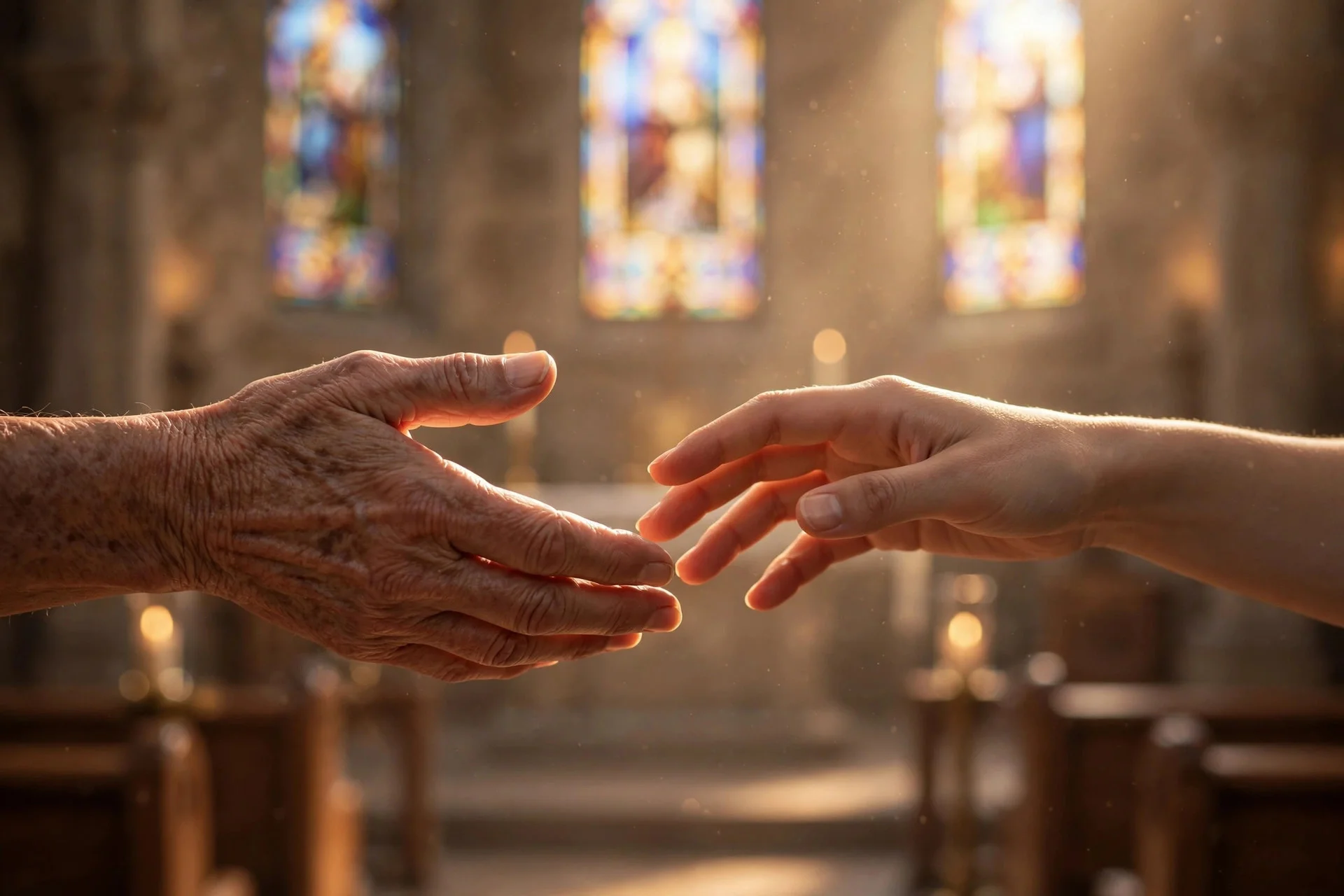
The coffee urn in the church fellowship hall gurgled like it had opinions, and Marcus Webb stood staring at it like it might save his life. It was 7:58 on a Tuesday night in Memphis, Tennessee, and he'd been sober for eleven hours. Eleven hours felt like eleven years. This is an addiction recovery testimony Christian readers can trust — raw, real, and redeemed — and it almost never got told, because three days earlier he'd been sitting in his truck in a warehouse parking lot with a bottle in his lap, deciding whether to drive home or drive into the river.
Marcus hadn't started as anyone's cautionary tale. He was a forklift operator, good at it — the kind of man who could thread a pallet through a doorway with an inch to spare. Then came the back injury: a slipped disc in 2014, surgery, and a bottle of painkillers with refills that kept coming long after the pain should have stopped. When the pills ran out, whiskey filled the gap. Ten years. That's how long it took to lose nearly everything — his marriage to Denise, the house with the oak tree, and for a stretch, the respect of his son Tyler.
Paul had stopped lecturing years ago, which somehow hurt worse than the lectures. But that Sunday, Paul showed up at Marcus's apartment — a one-bedroom over a laundromat that smelled permanently of dryer sheets — and said, "I'm not asking you to get clean. I'm asking you to ride with me Tuesday night. One hour. If you hate it, I'll never mention it again."
The "it" was a recovery group at Paul's church called The Well. Marcus went mostly so Paul would stop looking at him like that. The room was nothing like he'd feared — no circle of folding chairs demanding confessions, just long tables, that opinionated coffee urn, and men who looked like they'd all worked with their hands. A man named Ray, sixty-something with tattooed knuckles, told his story first: twenty years of meth, prison, now a grandfather who coached Little League. Then Ray said something that hooked into Marcus like a fishhook: "I didn't get sober and then find God. I found God, and sobriety was what freedom felt like from the inside."
Pastor Cole, who led the group, read one verse and then just let it sit in the room:
"So if the Son sets you free, you will be free indeed." — John 8:36
Free indeed. Marcus had been "free" to drink for ten years, and it had felt like a locked room. That night he didn't pray some polished prayer. Driving home, he gripped the wheel and said out loud, "God, I can't do this. If You're real, do it." It wasn't eloquent. It was the truest sentence he'd said in a decade.
What followed wasn't magic — it was maintenance. Marcus came back Tuesday after Tuesday. He got a sponsor, a quiet electrician named Doug who answered the phone at 2 a.m. He started reading the Bible the way a drowning man reads a rescue manual. He learned the group's strange vocabulary: one day at a time, progress not perfection, keep coming back.
There were hard months. Month four, he almost drank at a warehouse Christmas party — stood in front of the cooler for a full minute before calling Doug from the parking lot. Month nine, Tyler agreed to lunch, and Marcus forgot every word of his rehearsed apology and just said, "I'm sorry I wasn't there. I'm here now." Tyler cried into his burger. So did Marcus.
Today, Marcus is five years sober. He drives a forklift again — different warehouse, better boss — and he leads the Tuesday night group at The Well, standing by that same coffee urn, watching new men stare at it like it might save their lives. He tells them what Ray told him. Tyler is twenty-three now and calls his father first when the car breaks down. Denise remarried, and Marcus genuinely wished her well at the wedding, which he counts as one of the top three miracles of his life.
He keeps his five-year chip in his wallet, worn smooth at the edges. Not as a trophy — as a reminder. The ledger of shame is closed. In its place is a different record, written in a steadier hand: free indeed.
What This Story Teaches Us
- You don't get clean to earn God — you meet God and find freedom. Marcus's breakthrough came when he stopped treating sobriety as the entrance fee and started treating grace as the starting line.
- Community is not optional equipment. Eleven solo attempts failed. One honest community held. Addiction thrives in secrecy; recovery grows in the light of other people's stories.
- Relapse is a chapter, not the ending. The men at The Well taught Marcus that falling doesn't disqualify you — staying down does. Get up, call someone, come back.
Frequently Asked Questions
Q: Can faith really help with addiction recovery? A: Faith works alongside practical recovery — meetings, a sponsor, accountability. It doesn't replace treatment; it fuels it, giving a deeper "why" beneath the daily "how," and breaking the shame cycle that keeps addiction spinning.
Q: I've relapsed many times. Is there still hope for me? A: Marcus quit and relapsed eleven times over ten years before lasting freedom came. Relapse is common and doesn't mean you're beyond help — it means the approach needs adjusting, often with more community and support, not more willpower alone.
Q: How can I help a loved one struggling with addiction? A: Do what Paul did: stop lecturing, stay present, and offer one concrete next step — a ride to a meeting, a phone number, a chair saved for them. Pray persistently, set healthy boundaries, and remember you can't force recovery, but you can keep the door open.