Prisoner Finds God Testimony: A Bible Left in His Cell
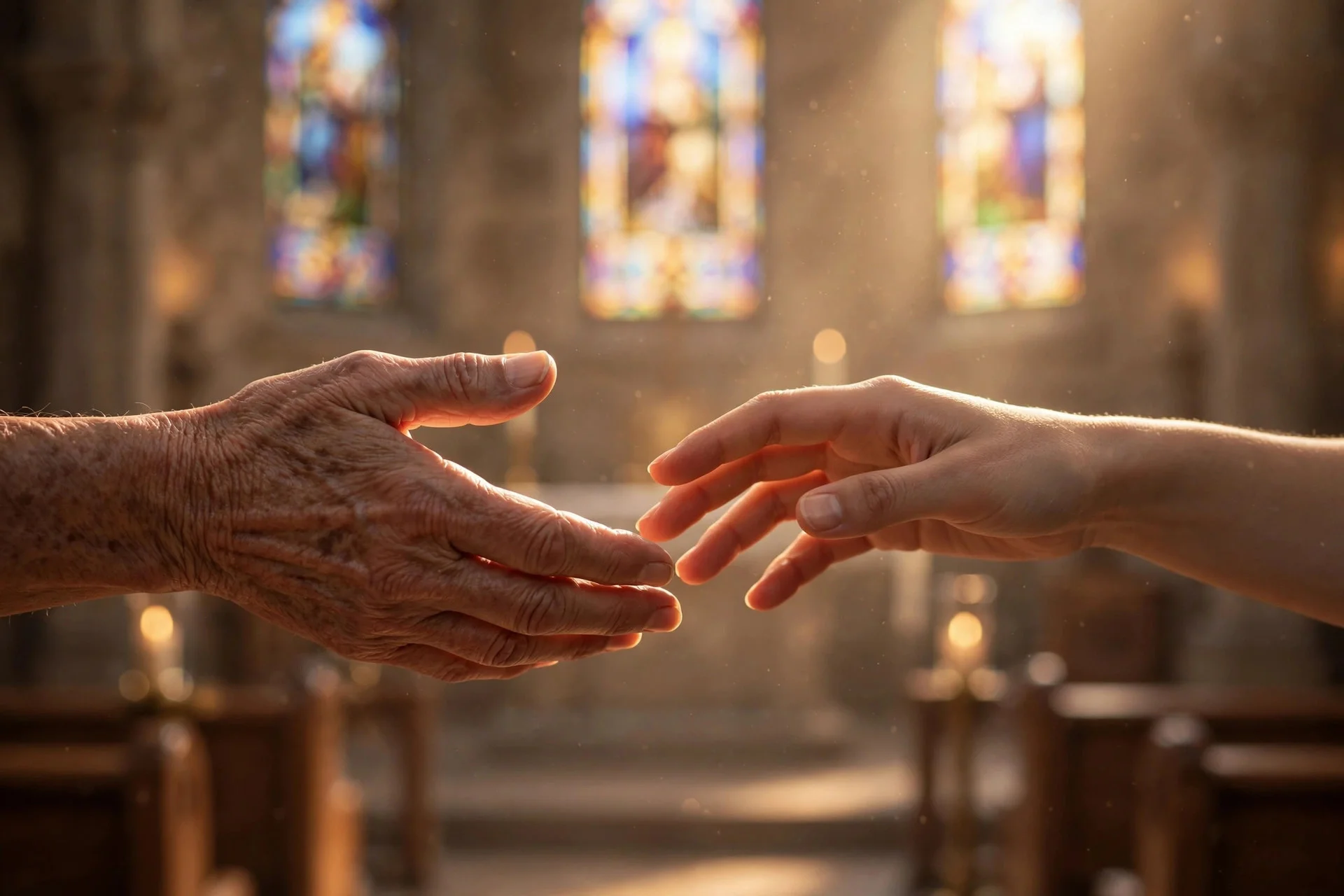
Every prisoner finds God testimony has a "before" that is hard to read. Ethan Ward's before is not pretty, and he would tell you so himself. At twenty-nine, he was inmate #44821 at Cedar Ridge Correctional Facility in Oklahoma, three years into a seven-year sentence for armed robbery — no friends, no answered letters, no hope requested.
Cell 214
The Bible appeared on a Tuesday. Ethan came back from the cafeteria and there it was on his bunk — a small black Bible with a cracked spine and somebody else's name in faded blue ink inside the front: "Property of Daniel R."
He had not held a Bible since his grandmother's funeral at age eleven. His first instinct was to trash it. His second — quieter — was to open it.
A paperclip marked the Gospel of John. He read one verse because it was short: "In the beginning was the Word." He snorted — then read the next verse, and the next, until a guard's flashlight ended the discussion at lights-out.
Ethan slid the Bible under his mattress. He told himself he would throw it away in the morning. He did not throw it away in the morning.
The Man in the Mirror
Raised by a mother who worked three jobs and an absent father, he learned early that the world takes and rarely gives. By sixteen he ran with a crew; by twenty-six he was holding a gun in a Tulsa convenience store, screaming at a terrified clerk. Nobody was physically hurt. Ethan mentions that like it matters — then admits it does not, because fear is a wound too.
Prison made him harder, not better. His mother drove four hours each way to visit monthly for the first year, until Ethan told her to stop — "I can't stand watching you cry in that visiting room, Ma."
But the Bible under the mattress would not leave him alone. At night Ethan read of a tax collector in a tree, a condemned woman walking away uncondemned, a thief promised paradise. He kept waiting for fine print excluding men like him. It never came.
Three weeks in, he reached John 8:36 and read it three times, thumb on the paperclip:
"So if the Son sets you free, you will be free indeed." — John 8:36
Ethan sat on his bunk in Cell 214 and wept — for the first time understanding that the bars around him were not his real prison.
The Chaplain's Office
The next Sunday, Ethan did something that cost him reputation he had spent three years building: he walked into the chapel service. He sat in the back. He did not sing. But when Chaplain Davis — a sixty-year-old former Marine with a gentle voice — preached on the prodigal son, Ethan felt like the man was reading his mail.
"Somebody left this in my cell," Ethan said afterward, holding out the Bible. "Whose is it?"
"Daniel R. Paroled six months ago — he asked me to leave it for whoever came next." The chaplain smiled. "I think he just found his whoever."
Ethan started meeting with the chaplain weekly. He wrote his mother a four-page letter — his first honest words in years. She wrote back within a week: "I've been praying for this letter for three years, baby."
The Turnaround
Change came in unglamorous steps. Ethan earned his GED — he had dropped out at seventeen — then started tutoring other inmates in reading at the scarred library tables. "Somebody was patient with me," he says. "That paperclip in John didn't move itself."
He joined the restorative justice program and wrote to the clerk from the Tulsa robbery — not asking forgiveness he had no right to expect, just taking responsibility. The clerk wrote back. Ethan keeps that letter folded inside his Bible, next to the paperclip.
For good behavior, his sentence was reduced. He walked out of Cedar Ridge after five years carrying a duffel bag and the cracked-spine Bible. His mother waited at the gate — laughing, not crying.
Today
Ethan is thirty-eight. He mentors at-risk teenagers in Tulsa — kids standing where he stood at sixteen. He tells them his story without varnish: the gun, the cell, the Bible that showed up like it had his name on it. "I don't preach at them," he says. "I just tell them what happened, and let them do the math."
He married a woman named Grace — yes, really — and they have a two-year-old daughter. On their wall hangs a framed photo of Cell 214's empty bunk, sunlight through the barred window.
The Bible sits on his nightstand, paperclip still marking John 8. Under "Property of Daniel R.," Ethan added a second line in fresh ink: "Passed to Ethan W. Pass it on."
What This Story Teaches Us
- No one is too far gone. Ethan had a gun, a record, and a heart like concrete. A forgotten Bible reached him anyway. If you're praying for someone unreachable, remember Cell 214.
- God leaves Bibles in empty cells. Grace sometimes arrives as an object left exactly where you'll find it. Pay attention to what keeps showing up in your life.
- Freedom is an inside job first. Ethan was still behind bars when he became free. Your circumstances may not change today, but your captivity can end the moment you stop running from God.
Frequently Asked Questions
Did Ethan find the Bible by accident? In the story, a paroled inmate named Daniel R. asked the chaplain to leave it for the next occupant. What looked like coincidence was someone else's obedience.
What is a restorative justice program? A process where offenders take direct responsibility for their crimes, often by communicating with victims. In the story, Ethan wrote a letter of accountability to the store clerk.
Is Ethan Ward a real person? No. Ethan is a fictional character in an inspirational story — meant to encourage, especially those praying for incarcerated loved ones, not to document real events.