🎧 Listen to This Story (Audio Mode)
Saved for offline reading — text only; photos need the internet.
Church of England Gives £13.4 Million to Revitalise Parishes in Three Dioceses
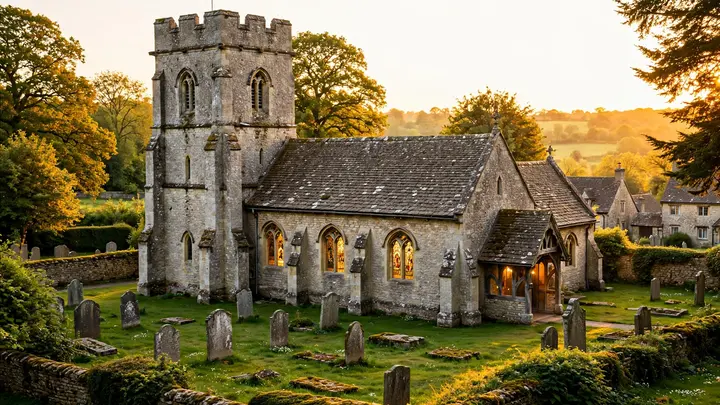
The Church of England has agreed £13.4 million to revitalise parishes in three dioceses — Winchester, Chelmsford and Worcester — for mission in rural villages, market towns and city centres. The investments were agreed with the Strategic Mission and Ministry Investment Board, and the Church announced them in November 2026. Winchester receives the largest share, £7 million, as the first stage of a ten-year vision called Walking the Wessex Way.
Picture a small parish church on a cold November evening, its windows glowing while the village around it goes dark. That light is what this money is for. Not for grand buildings or distant offices, but for the ordinary work of keeping parish doors open, welcoming new people, and raising up new ministers in the places where people actually live.
Winchester's £7 million is the first stage of a ten-year diocesan-wide vision, and the diocese serves 1.25 million people across Hampshire and East Dorset. The money will fund three specific projects supporting urban churches and rural communities, along with the team delivering the work. The diocese says the vision hopes to welcome new people to church, particularly young people, grow and train new leaders, and launch new worshipping communities — while continuing to support its rural parishes.
The detail that matters most is who pays for the team. Winchester says the funding covers the cost of the delivery team, so the work does not come out of parish share — the money parishes pay for the costs of ministry. That matters because it means a village church does not have to choose between keeping its vicar and joining the mission.
Print it, pray through it, and share it with your family or small group.
The investment is designed to build growth that keeps bearing fruit long after the funding itself runs out.
Winchester Walking the Wessex Way: £7 Million for New Worshipping Communities
The Winchester award is the headline, but the other two dioceses tell the same story in different landscapes. In the Colchester Episcopal Area of the Diocese of Chelmsford, nearly 70 per cent of the population lives in multi-parish benefices — clusters of small churches sharing one priest. Those parishes will get resources tailored to their context, as part of a mission plan that agreed £2.8 million of investment, including early work with parishes in the new town of Harlow and the villages around it.
Harlow is a place where the Church has to start almost from scratch in new neighbourhoods, and that is exactly the kind of ground where a small grant at the right moment changes everything. A new town has no old parish habits to lean on. It needs people on the ground, rooms to meet in, and a welcome that reaches families who have just moved in and do not yet know anyone.
Worcester recieves £3.6 million for the next stage of its vision, Growing as Kingdom People, with the aim of having at least one thriving larger church in each of its population centres by 2030. The word thriving does a lot of work there. It is not about a building with a full car park on a Sunday.
It is about a church that can feed a food bank, run a youth group, visit the lonely, and still have energy left to invite its neighbours in.
The three awards sit inside a much bigger pattern. The Church of England has just confirmed that congregations grew for a fifth year in a row, with more than a million regular attenders and adult baptisms rising by more than 1,000 for a second year running, as reported in Latest: Church of England Attendance Grows Fifth Year in a Row as Adult Baptisms Rise. Money on its own does not fill a church, but money spent on people — on ministers, pioneers and youth workers — is how growth gets room to happen.
Church of England Parish Funding: What the £13.4 Million Will Do in Villages and Cities
There is a quieter story underneath the numbers, and it is about young people. Winchester says its vision hopes to welcome new people to church, particularly young people, and that focus keeps appearing wherever the Church is growing. Young adults are asking for baptism in record numbers, and parishes that have someone to welcome them, teach them and walk with them are the ones that keep them.
A grant that pays for a youth worker or a pioneer minister is, in the end, a grant that pays for a welcome.
The funding also reaches places that rarely make headlines. Rural villages where the parish church is the only public building left. Market towns where the congregation is small but faithful.
City centres where a church sits among flats full of people who have never been inside it. The Church says the investments reflect a commitment to enabling parishes across the country to be revitalised for mission, and the three dioceses cover all three of those landscapes at once.
That breadth is deliberate, and it echoes the wider renewal already visible across the country. In Exeter, the appointment of Arwen Folkes as the first female Dean in the cathedral's 970-year history has drawn attention to a Church that is changing its leadership as well as its funding, as reported in Lighthouse Keeper's Daughter Arwen Folkes Becomes First Female Dean of Exeter in 970 Years. New leaders and new money arriving together is not a coincidence — it is what renewal looks like when a whole institution decides to move.
The question every parishioner will ask is the practical one: when does the money reach my church? The honest answer is that it flows through the dioceses, not straight to parishes, and each diocese decides how best to use it for its own mission plan. Winchester's three projects are already named.
🙏 Did this part inspire you?
Chelmsford's work in Harlow and its surrounding villages is in its first stage. Worcester's plan runs to 2030. None of it is instant, and none of it is magic.
Three Dioceses, One Pattern: Money for People, Not Just Buildings
But the pattern is hard to miss, and it is worth naming plainly. A Church that was written off as shrinking is now putting millions of pounds behind growth, parish by parish, in villages and new towns and city centres alike. The same season has seen new leaders appointed and congregations growing for a fifth straight year, a combination the Church has not seen in living memory.
The £13.4 million is a bet that the growth is real — and that with people on the ground to welcome it, it will keep going.
For the parishioner in a Hampshire village, or a family that just moved to Harlow, or a congregation in a Worcester town centre, the announcement will not change next Sunday. The same hymns, the same pews, the same faces. What changes is what happens next: a new worshipping community launched, a young leader trained, a door opened that was shut before.
The light in the windows on a dark evening is still the same light — but now there are more hands to keep it burning. The question the three dioceses will answer over the next ten years is the one every growing church eventually faces: when new people walk through the door, will someone be there to welcome them in?
Frequently asked questions
£13.4 million for three dioceses — Winchester (£7 million), Chelmsford (£2.8 million for the Colchester Episcopal Area) and Worcester (£3.6 million) — agreed with the Strategic Mission and Ministry Investment Board and announced in November 2026.
It is a ten-year diocesan-wide vision in the Diocese of Winchester, which serves 1.25 million people across Hampshire and East Dorset. The £7 million is the first stage, funding three projects to welcome new people to church, particularly young people, train new leaders and launch new worshipping communities.
In Chelmsford's Colchester area, where nearly 70 per cent of people live in multi-parish benefices, the £2.8 million supports parishes including work in the new town of Harlow. In Worcester, the £3.6 million supports the Growing as Kingdom People vision, aiming for at least one thriving larger church in each population centre by 2030.
No — Winchester says the award covers the cost of the team delivering the work, so it does not come from parish share, the money parishes pay for the costs of ministry.
Yes. The Church's Statistics for Mission 2025, published in November 2026, show congregations grew for a fifth year in a row, with a worshipping community of 1.03 million and adult baptisms rising by more than 1,000 for a second year running.
🙏 Did this part inspire you?
Print it, pray through it, and share it with your family or small group.
🔔 Don't Miss the Next Story!
Get breaking Christian news on your phone before everyone else — allow notifications when prompted, or join our newsletter below!
But the most surprising part of this story is yet to come — keep reading.
🙏 Have a Testimony to Share?
Has God done something amazing in your life? Or want us to cover a specific story? Send your testimony or story request via WhatsApp — your story could encourage thousands!
💬 Comments
Share your thoughts below. Be kind and respectful. If this story touched you, let us know in the comments!