500 Million Christians Can't Access the Bible (2026 Report)
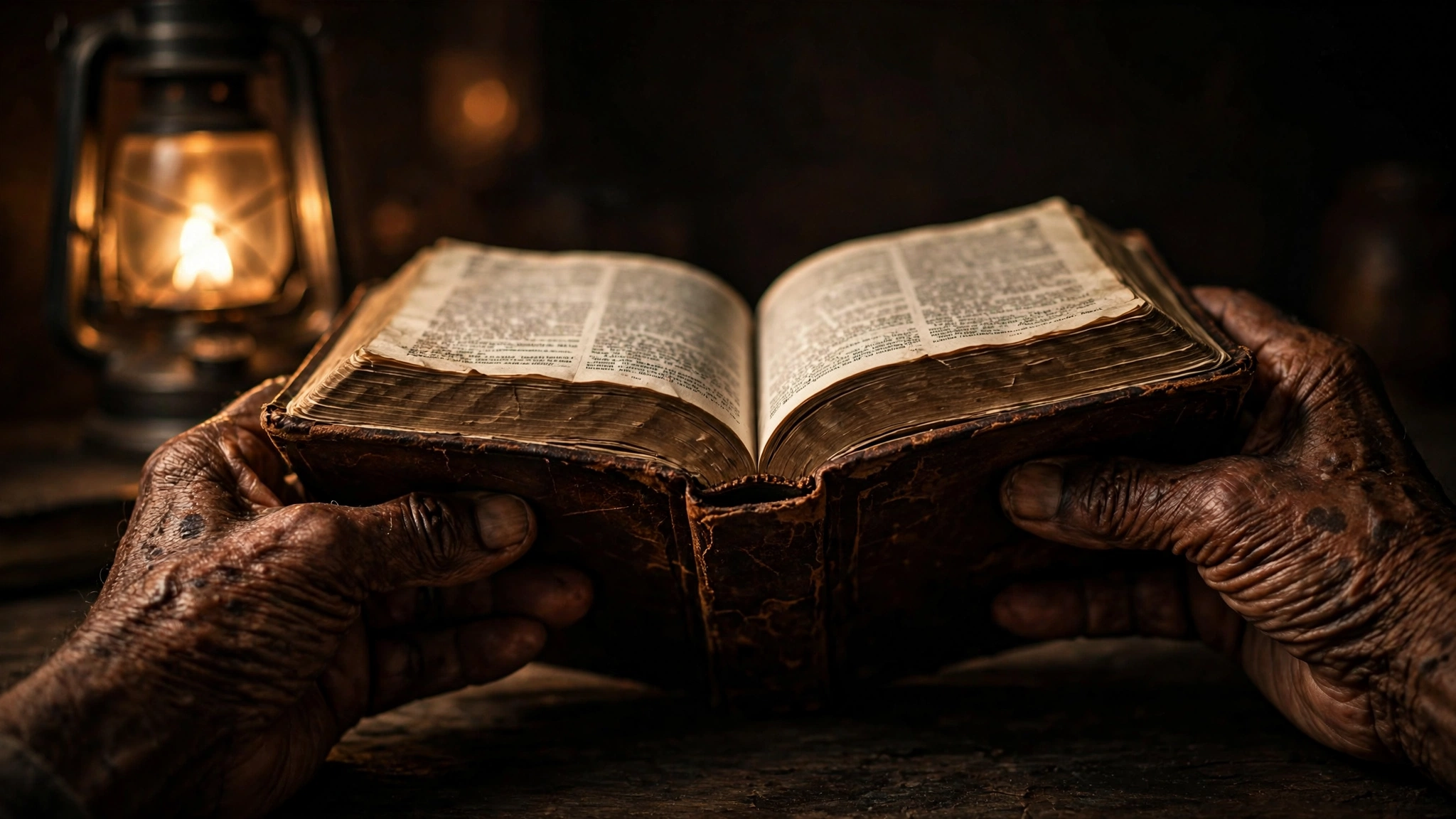
I counted my Bibles the other day, and I felt embarrassed. There is one on my nightstand, two on the living room shelf, one in my car I forgot about, and three different Bible apps on my phone. Five copies of God's Word, and I barely opened one of them that week.
Then I read the 2026 Bible Access List, released in October 2026, and it stopped me cold. More than 500 million Christians around the world face restrictions that make getting or reading a Bible difficult — or dangerous. And over 125 million believers want a Bible but simply do not have one.
Let that sink in. I have five. They have none.
What Did the 2026 Bible Access List Actually Find?
The Bible Access Initiative examined 106 countries to see where Christians can actually get their hands on Scripture — not just where Bibles exist in theory, but where real people can really read them.
The headline number is staggering: more than half a billion Christians face Bible access restrictions. Over 250 million of them face what the report calls severe conditions — government persecution, extremist violence, or pressure from their own families and communities.
"We often hear that the Bible is more accessible than ever, but we must not confuse availability with access," said Wybo Nicolai, co-founder of the Bible Access List, when the report was released.
He is right. In the West, we confuse the two every day. A Bible sitting in a warehouse is not the same as a Bible in a believer's hands.
Where Is Bible Access the Hardest Right Now?
Afghanistan ranks as the most restrictive country in the world for Bible access, followed by Yemen, Somalia, North Korea, and Eritrea. In some of these nations, simply owning Scripture can lead to prison — or worse.
Turkmenistan, Libya, Sudan, and Iran round out the top ten for the strongest restrictions. Dozens more countries, including China, Pakistan, Nigeria, India, and Saudi Arabia, carry what the report labels severe restrictions.
But here is the part that surprised me most: the biggest shortages are not always where the worst persecution is. The Democratic Republic of Congo, Ethiopia, Nigeria, India, and Uganda each have millions of believers who desperately want a Bible and cannot get one — more than 10 million each in the first four. These are places where Christians are free to own a Bible but too poor to buy one, or where no one has printed enough copies to go around.
Why Can't People Just Read the Bible Online?
That was my first thought too. We live in the smartphone age — surely everyone can just download the Bible, right?
The report says no. More than 400 million Christians across 42 countries have no internet access at all. Another 277 million live in places where opening a Bible app could get them watched, reported, or arrested.
And beyond the digital divide, there is the human one. More than 550 million Christians across 33 countries face crushing socioeconomic barriers: poverty, illiteracy, no electricity, broken infrastructure. You cannot charge a phone where there is no power. You cannot read an app if you never learned to read.
The Bible Access Initiative is led by five organizations working together — Bible League International, Digital Bible Society, Frontlines International, The Voice of the Martyrs, and YouVersion — and their shared goal is simple: Scripture for every person, in every nation.
What Can We Do About the Bible Access Crisis?
It is easy to read numbers like these and feel helpless. I felt that way for about ten minutes. Then I remembered: the whole point of knowing is doing.
Pray specifically. Not "bless the missionaries" — pray for the believer in Eritrea hiding her New Testament, for the pastor in northern Nigeria trying to get 500 Bibles to his congregation, for the teenage girl in Afghanistan who has never held one.
Give strategically. Organizations like Bible League International and The Voice of the Martyrs put Bibles directly into the hands that need them. A few dollars can place a Bible where it will be read until it falls apart.
Treasure what you have. This one convicted me. If believers are risking their lives for a single page of Scripture, the least I can do is open the five copies sitting in my house.
The God who preserved His Word through centuries of persecution is not finished. Every Bible placed, every verse memorized in secret, every whispered prayer in a prison cell is proof: you can restrict access, but you cannot stop the Word.
Frequently Asked Questions
According to the 2026 Bible Access List, more than 500 million Christians face Bible access restrictions worldwide, and over 125 million want a Bible but do not have one.
Afghanistan ranks first, followed by Yemen, Somalia, North Korea, and Eritrea. These countries have what the report calls "maximum restrictions" on Bible access.
Pray for believers in restricted nations, support organizations like Bible League International, The Voice of the Martyrs, or Digital Bible Society, and share this report so more people know about the crisis.
- 69% of Christians Now Live in the Global South — the faith is growing fastest where Bibles are scarcest
- 8 Million More Americans Now Attending Church — healthy churches keep the Bible at their core