The Freedom in Forgiveness: Life After You Finally Let Go
Nobody tells you what the other side feels like. Every sermon, book, and well-meaning friend tells you to forgive — but few describe what life is actually like after you do. So let me tell you, because I have stood on both sides of that line.
Caleb carried a grudge against his old high school coach for fifteen years. The coach had benched him before the championship game over a misunderstanding — no hearing, no second chance. Caleb lost a potential scholarship and nursed the wound through college, through his twenties, into his thirties. He could still feel his jaw tighten whenever someone mentioned the man's name.
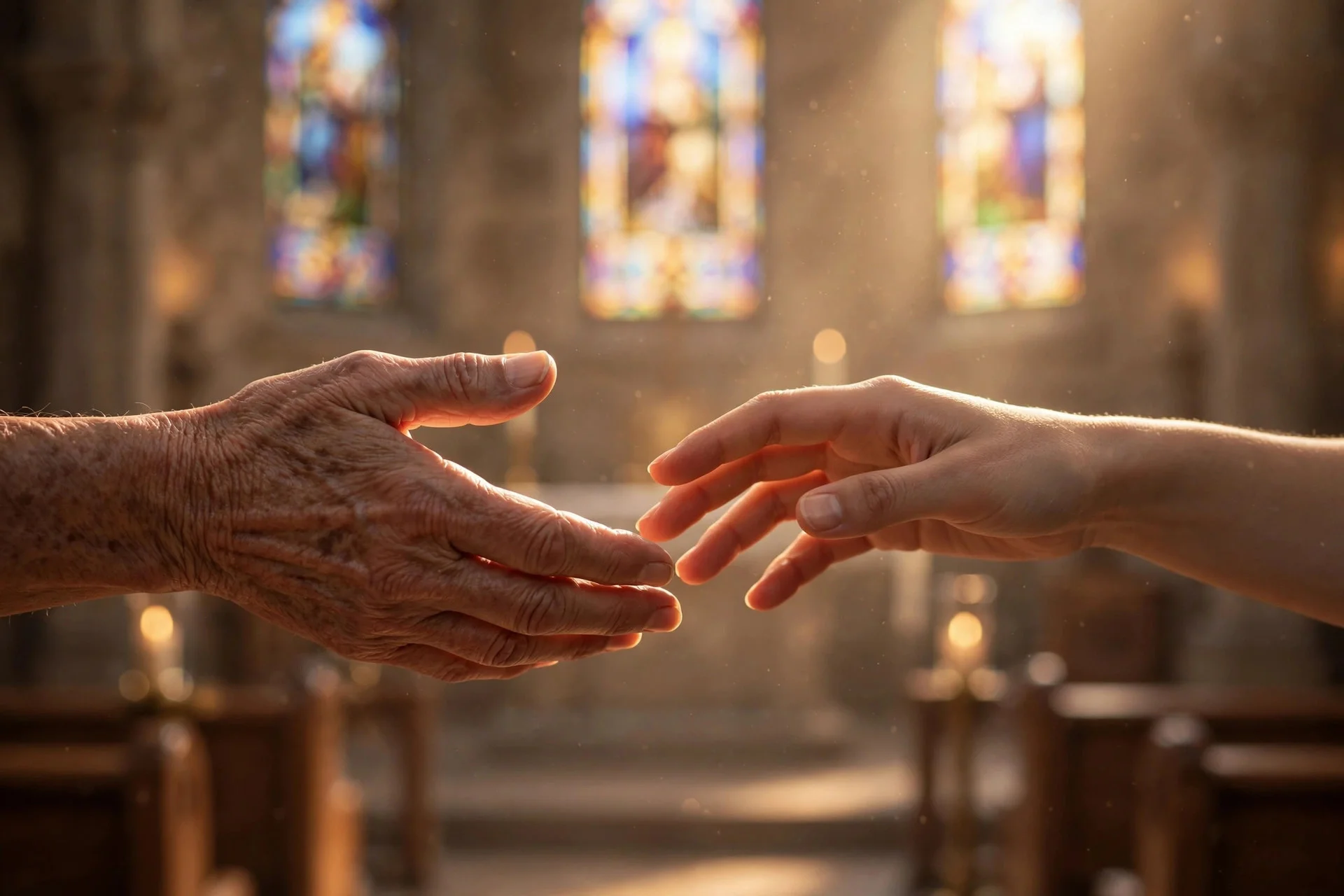
Then, at a reunion he almost skipped, Caleb found himself face to face with the coach — now older, grayer, using a cane. And in that moment, something unexpected happened: Caleb forgave him. Not in a dramatic speech — just a handshake, a genuine smile, and a quiet prayer in his heart: "Lord, I let this go." Driving home that night, Caleb laughed out loud for no reason. He felt ten pounds lighter. That is the freedom in forgiveness — and it is better than anyone describes.
What Does Freedom in Forgiveness Feel Like?
It feels like setting down luggage you forgot you were carrying. Caleb described it in stages over the following weeks:
First, the noise stops. The mental replays — the arguments you'd win if you ever got the chance — go quiet. Your mind, exhausted from years of rehearsal, finally rests.
Then, lightness. People describe it physically: shoulders drop, breathing deepens, sleep comes easier. Your body had been bracing for a fight that forgiveness finally canceled.
Then, unexpected joy. Small pleasures return — music sounds better, food tastes richer, laughter comes easier. Bitterness had been dulling everything; its absence sharpens life.
Finally, generosity. This is the strangest part. Caleb found himself wishing his old coach well — genuinely. Freedom in forgiveness doesn't just empty you of anger; it fills you with something kinder.
Why Does Letting Go Feel So Free?
Because unforgiveness is work — exhausting, unpaid, endless work. Every grudge is a second job: monitoring the offender, rehearsing confrontations, guarding your heart, managing your bitterness so it doesn't show. You have been working overtime for years without realizing it.
Forgiveness is resignation from that job. The freedom you feel is not the arrival of something new — it is the absence of something heavy. Like taking off a backpack after a long hike, the relief is instant and physical. Your soul was designed to travel light. Jesus said His yoke is easy and His burden is light — and bitterness was never part of His luggage allowance.
Can You Really Get Your Joy Back After Deep Hurt?
Yes — and often it comes back deeper than before. There is a particular sweetness to joy that has survived sorrow. Caleb's laughter on that drive home wasn't naive happiness; it was the seasoned joy of a man who had been in prison and walked out.
This doesn't mean the past disappears or that every scar vanishes. Caleb still remembers being benched. But the memory lost its sting — it became a story instead of a wound. Freedom in forgiveness doesn't rewrite your history; it rewrites your relationship to it. The past stays in the past, where it belongs, instead of renting your present.
What Does the Bible Say About Freedom in Forgiveness?
Scripture overflows with the language of release, liberty, and rest:
- John 8:36 (KJV): "If the Son therefore shall make you free, ye shall be free indeed."
- Psalm 103:12 (KJV): "As far as the east is from the west, so far hath he removed our transgressions from us."
- Isaiah 1:18 (KJV): "Though your sins be as scarlet, they shall be as white as snow."
- Matthew 11:28 (KJV): "Come unto me, all ye that labour and are heavy laden, and I will give you rest."
- 2 Corinthians 3:17 (KJV): "Where the Spirit of the Lord is, there is liberty."
- Galatians 5:1 (KJV): "Stand fast therefore in the liberty wherewith Christ hath made us free, and be not entangled again with the yoke of bondage."
- Psalm 32:1 (KJV): "Blessed is he whose transgression is forgiven, whose sin is covered."
How Can I Step Into This Freedom Today?
Freedom has a doorway, and you can walk through it now:
- Name the backpack. Write down exactly what you are carrying and who you are carrying it for. You can't set down what you won't admit you're holding.
- Pray the release prayer. "Lord Jesus, I forgive [name] completely. I release them and I release myself. Fill the empty space with Your peace." Mean it as much as you can — God honors honest willingness.
- Do one freedom act. Caleb shook his coach's hand. Yours might be deleting old messages, stopping the social media checking, or simply refusing the next mental replay. Act your way into freedom.
- Celebrate the lightness. When you notice the quiet — the first morning you don't wake up rehearsing — thank God out loud. Gratitude locks in freedom.
- Guard the door. Old grudges knock. When they do, answer with your decision: "That's forgiven. It doesn't live here anymore."
Frequently Asked Questions
How will I know I'm actually free?
When their name no longer tightens your chest, when you can wish them well without forcing it, and when the story feels like history instead of a fresh wound.
What if I forgive but still feel sad about what happened?
Sadness and bondage are different. You can grieve a loss while being free of bitterness — tears are not chains.
Is it normal to feel almost guilty about feeling free?
Surprisingly, yes. Some people feel disloyal to their own pain. But joy after forgiveness isn't betrayal of your suffering — it's the reward of your courage.
Can I experience this freedom even if the other person never changes?
Absolutely. Your freedom was never in their hands. Caleb's coach never apologized or explained — and Caleb is free anyway.