Forgiveness and Healing: How Letting Go Heals Your Body
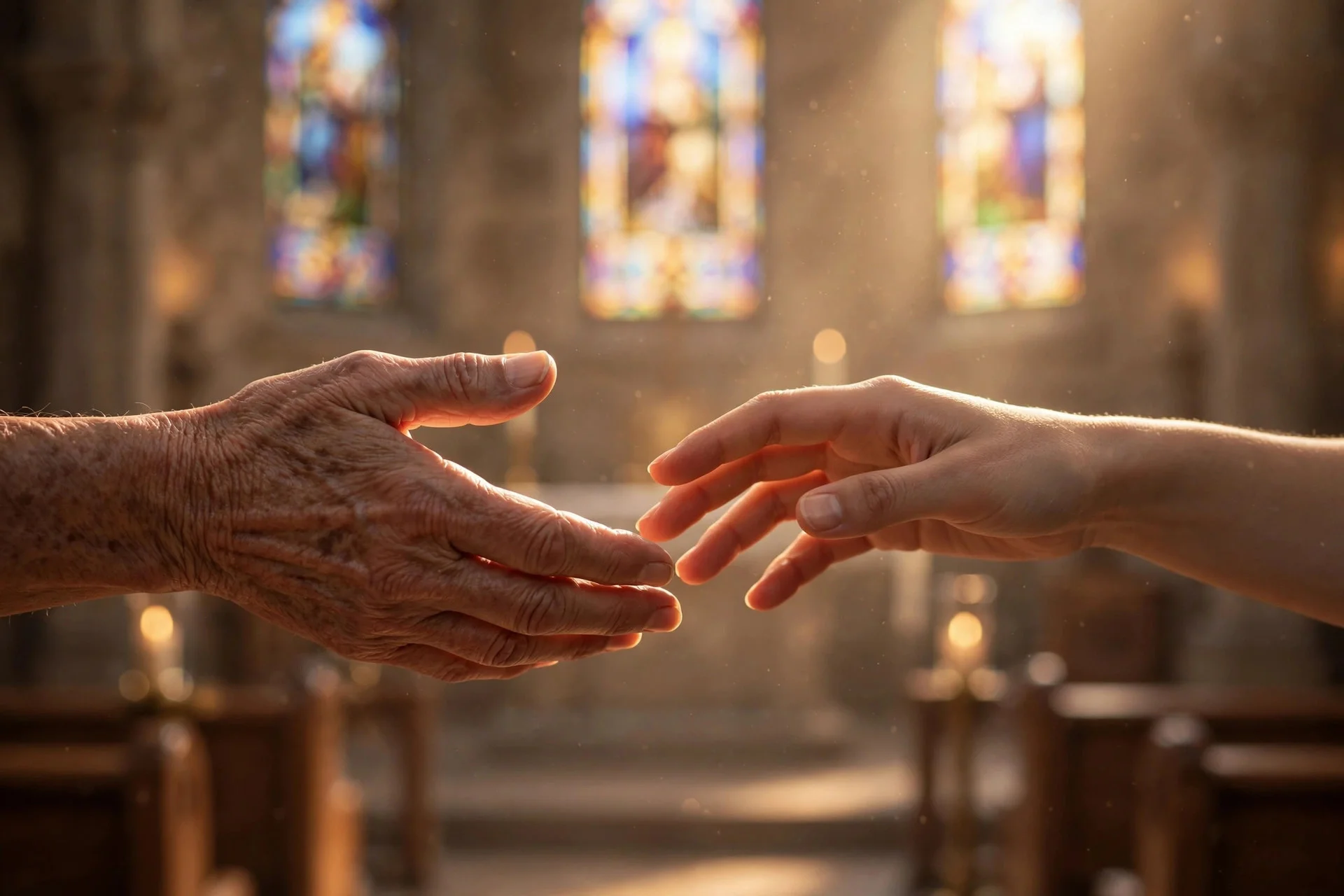
Ruth thought her doctor would find something. For eight months she had lived with pounding tension headaches, a knotted shoulder that never loosened, and nights where sleep came in restless fragments. Tests showed nothing. "Stress," the doctor said gently, and asked if anything was weighing on her mind.
Ruth laughed — then cried. Her sister had said something cruel at a family gathering, and Ruth had been carrying it like a backpack full of bricks ever since. Every phone call unanswered. Every holiday tense. Her body was keeping score of a wound her mouth refused to discuss.
The connection between forgiveness and healing is not just poetic — it is deeply real. When Ruth finally forgave her sister, her headaches did not vanish overnight. But within weeks, the knot in her shoulder softened, her sleep deepened, and her doctor noticed her blood pressure had dropped. Her body had been waiting for her heart to let go.
How Does Forgiveness and Healing Connect in the Body?
Bitterness is not just an emotion — it is a physical state. When you replay an offense, your body responds as if the threat is happening right now: stress hormones surge, muscles tighten, heart rate climbs. Researchers who study forgiveness and healing have found that chronic unforgiveness keeps the nervous system in a low-grade fight mode, day after day.
Forgiveness flips that switch. Letting go signals safety to your body. Cortisol drops. Muscles release. Sleep deepens. This is not magic — it is how God designed you. A heart at peace and a body at rest were always meant to go together.
Can Forgiveness and Healing Really Improve My Health?
No honest person should promise that forgiveness cures every disease. But the pattern is striking and well-documented: people who practice forgiveness report less chronic pain, lower blood pressure, better sleep, and fewer symptoms of anxiety and depression.
Think of resentment as clenching your fist for years and wondering why your hand aches. Forgiveness is simply opening the hand. Ruth's headaches were her body's alarm bell — not about a medical emergency, but about a spiritual one. When she forgave, she was not just freeing her sister from her anger. She was freeing her own body from a war it was never meant to fight.
What Does the Bible Say About Forgiveness and Healing?
Scripture has linked the heart and the body for thousands of years:
- Proverbs 17:22 (KJV): "A merry heart doeth good like a medicine: but a broken spirit drieth the bones."
- Proverbs 14:30 (KJV): "A sound heart is the life of the flesh: but envy the rottenness of the bones."
- Psalm 32:3-5 (KJV): "When I kept silence, my bones waxed old through my roaring all the day long... I acknowledged my sin unto thee... and thou forgavest the iniquity of my sin."
- James 5:16 (KJV): "Confess your faults one to another, and pray one for another, that ye may be healed."
- Matthew 9:6 (KJV): Jesus links forgiveness and physical healing: "that ye may know that the Son of man hath power on earth to forgive sins, (then saith he to the sick of the palsy,) Arise, take up thy bed, and go unto thine house."
- 3 John 1:2 (KJV): "Beloved, I wish above all things that thou mayest prosper and be in health, even as thy soul prospereth."
- Psalm 103:3 (KJV): "Who forgiveth all thine iniquities; who healeth all thy diseases."
How Can I Practice Forgiveness for Better Health Today?
You do not need a medical degree to start — just an honest heart and a willing spirit:
- Do a body scan in prayer. Sit quietly and ask God to show you where you are holding tension. Often the tight shoulders or clenched jaw point straight to an unforgiven hurt.
- Name the person your body reacts to. When a name makes your stomach tighten, pay attention. That is your body flagging unfinished forgiveness work.
- Breathe out the bitterness — literally. Inhale slowly, and as you exhale, pray: "Lord, I release [name] to You." Repeat it until your shoulders drop.
- Take a forgiveness walk. Walk for twenty minutes while praying blessing over the person who hurt you. Movement plus prayer is powerful medicine.
- Thank God for one physical gift today. Gratitude shifts your nervous system from threat to rest. Name what your body can do, and thank Him for it.
Frequently Asked Questions
Will forgiving someone cure my illness?
Forgiveness is not a substitute for medical care, and God heals in many ways. But releasing bitterness removes a real burden from your body — and many people feel measurably better.
Why do I feel worse right after I start forgiving?
Facing old pain can stir it up before it settles. Like cleaning a wound, it stings first — then heals cleaner than before.
Can I forgive and still see my doctor?
Absolutely. God works through doctors, medicine, and prayer together. Forgiveness supports healing; it never replaces wise care.
What if the person who hurt me is family I still see?
That is often the hardest case — and Ruth's story shows it is possible. Forgiveness plus clear, kind boundaries lets you love family without absorbing fresh wounds.