Why Should I Forgive? 7 Reasons That Will Change Your Mind
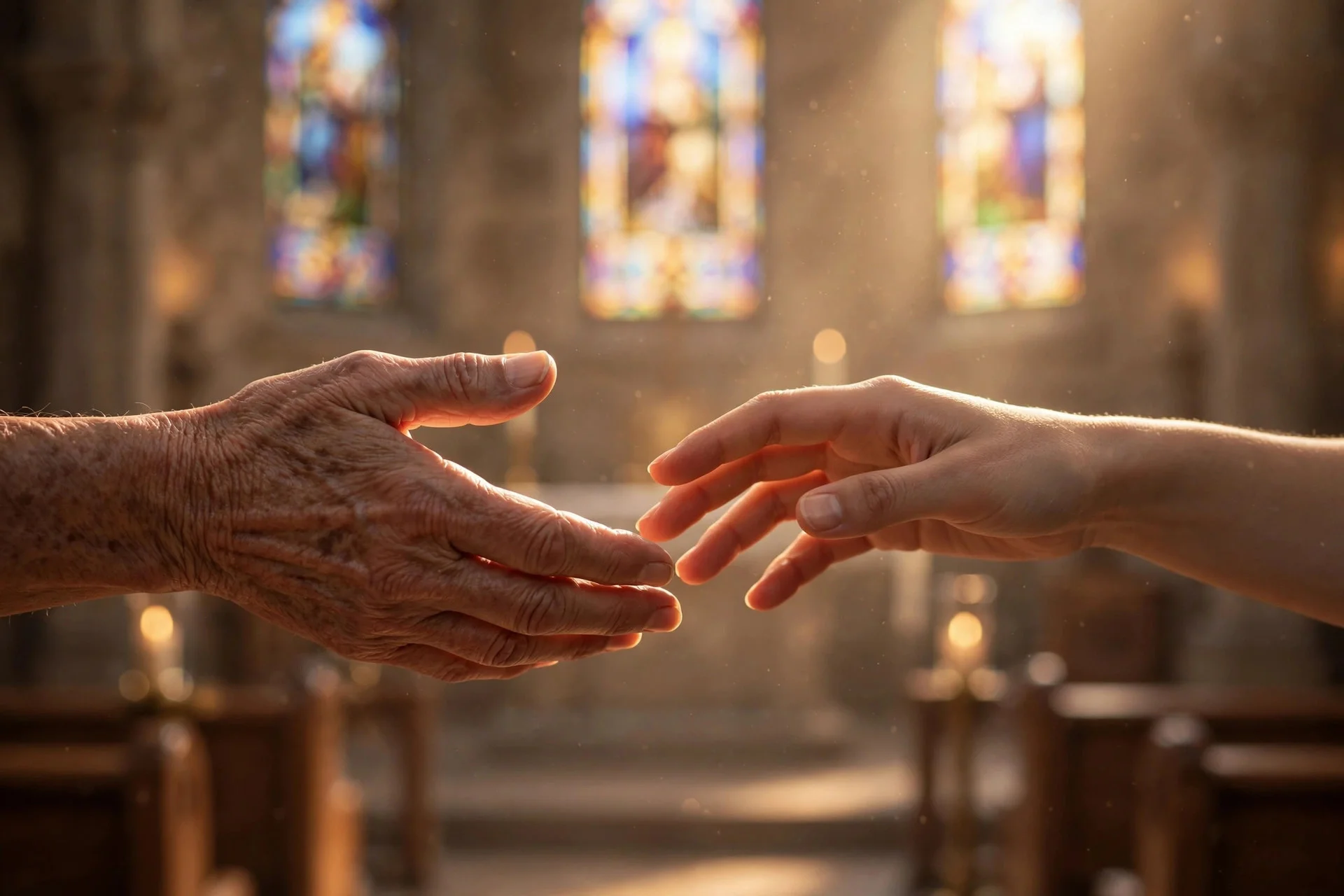
"Why should I forgive them? They don't deserve it."
If that question is living in your chest right now, you are not a bad Christian for asking it. You are an honest one. When someone has wronged you deeply, the question of why forgive can feel almost insulting — like being asked to hand a gift to the person who robbed you.
Let me tell you about Daniel. He ran a small landscaping business and completed a $9,000 job for a client who simply refused to pay. For three years, Daniel carried that invoice like a stone in his shoe. He rehearsed confrontations in the truck, lost sleep over it, and felt his blood pressure climb every time he drove past the man's neighborhood. The client never paid. But Daniel paid — every single day — in stress, bitterness, and joy leaking out of his life.
When Daniel finally forgave, nothing about the client changed. Everything about Daniel changed. Here is why forgiveness is worth it — not for them, but for you.
Why Forgive When They Don't Deserve It?
Here is the uncomfortable truth: nobody who needs forgiveness deserves it. That includes you and me. The entire gospel rests on God forgiving people who did not deserve it — while we were still sinners, Christ died for us.
Forgiveness was never about the offender earning it. It is about you refusing to let someone else's worst moment keep renting space in your soul. When you ask why forgive, the deepest answer is this: because unforgiveness punishes the wrong person. It punishes you.
What Are 7 Reasons to Forgive That Actually Matter?
1. Unforgiveness poisons you, not them. Daniel's client slept fine for three years. Daniel didn't. Bitterness is drinking poison and waiting for the other person to get sick.
2. God forgave you first — and far more. Every reason you hold a grudge melts a little when you remember the size of the debt Christ canceled for you.
3. Forgiveness restores your peace. The mental replays stop. The 2 a.m. arguments in your head go quiet. Peace returns like morning after a storm.
4. It protects your health. Researchers have linked chronic unforgiveness to higher stress, worse sleep, and heart strain. Letting go is genuinely good medicine.
5. It breaks the cycle. Hurt people hurt people. Forgiven people set people free — starting with themselves.
6. It keeps your prayers unblocked. Jesus tied our forgiveness of others directly to God's forgiveness of us. A clenched fist cannot receive.
7. It sets an example that echoes. Daniel's teenage son watched his father forgive a $9,000 debt. Years later, that son told him it was the most powerful sermon he ever heard — and it was never preached from a pulpit.
Does Forgiving Mean What They Did Was Okay?
Not for a second. This is the misunderstanding that keeps so many people stuck. Forgiveness does not excuse the wrong, erase the consequences, or declare the behavior acceptable.
Think of it like this: a judge can cancel a financial debt without saying the borrowing was wise. You can release someone from your personal demand for payback while still calling the action wrong. Forgiveness is about your heart's freedom, not their record's cleanliness.
Why Forgive? What the Bible Says About It
Scripture gives us the "why" behind forgiveness with striking clarity:
- Ephesians 4:32 (KJV): "And be ye kind one to another, tenderhearted, forgiving one another, even as God for Christ's sake hath forgiven you."
- Matthew 6:14 (KJV): "For if ye forgive men their trespasses, your heavenly Father will also forgive you."
- Luke 23:34 (KJV): "Father, forgive them; for they know not what they do." — Jesus, from the cross.
- Romans 5:8 (KJV): "But God commendeth his love toward us, in that, while we were yet sinners, Christ died for us."
- 1 John 1:9 (KJV): "If we confess our sins, he is faithful and just to forgive us our sins, and to cleanse us from all unrighteousness."
- Micah 7:18 (KJV): "Who is a God like unto thee, that pardoneth iniquity... he delighteth in mercy."
- Psalm 86:5 (KJV): "For thou, Lord, art good, and ready to forgive; and plenteous in mercy unto all them that call upon thee."
How Can I Start Forgiving Today?
Understanding why forgive matters is the spark; action is the fire. Try these steps:
- Write down what the grudge is costing you. Be specific: lost sleep, strained relationships, constant tension. Seeing the bill makes release easier.
- Thank God for one forgiveness you have received. Gratitude for grace received softens a heart toward grace given.
- Speak one sentence of release. "I choose to forgive [name]. I will not carry this anymore." Say it out loud, even if your voice shakes.
- Do one kind act toward them — or for someone else in their honor. Kindness is kryptonite to bitterness.
- Ask God to show you the next step. Sometimes it is a conversation; sometimes it is simply continued prayer. Follow His lead.
Frequently Asked Questions
Is it selfish to forgive for my own benefit?
No — it is wise. God designed forgiveness to heal the forgiver. Wanting peace is not selfish; it is healthy.
What if forgiving feels like letting them win?
Forgiveness is not surrender to them; it is victory over bitterness. The real loss is letting their actions control your emotions for years.
Do I need to tell the person I forgave them?
Not always. Forgiveness happens in your heart before God. Telling them is sometimes healing and sometimes unwise — pray for discernment.
Can I forgive and still want justice?
Yes. You can release personal vengeance while trusting God — and lawful processes — with justice. "Vengeance is mine, I will repay, saith the Lord" (Romans 12:19).